Production Line Guide
\n\nAcross Southeast Asia's industrial corridors-from Vietnam's machining hubs to Indonesia's growing foundry sector-manufacturers face a shared challenge: what to do with the metal chips, turnings, and swarf piling up on shop floors. Loose scrap takes up storage, leaches cutting fluid, and sells at discounted rates. While a standalone press can solve part of the problem, many facilities need a complete briquettes making machine setup-an integrated production line that takes raw scrap in one end and outputs clean, dense briquettes ready for furnace charging or sale.
\n\nThis article explains how a briquettes making machine line differs from a single press, what components it includes, and what Southeast Asian buyers should evaluate when planning a full production system.
\n\nWhat Is a Briquettes Making Machine?
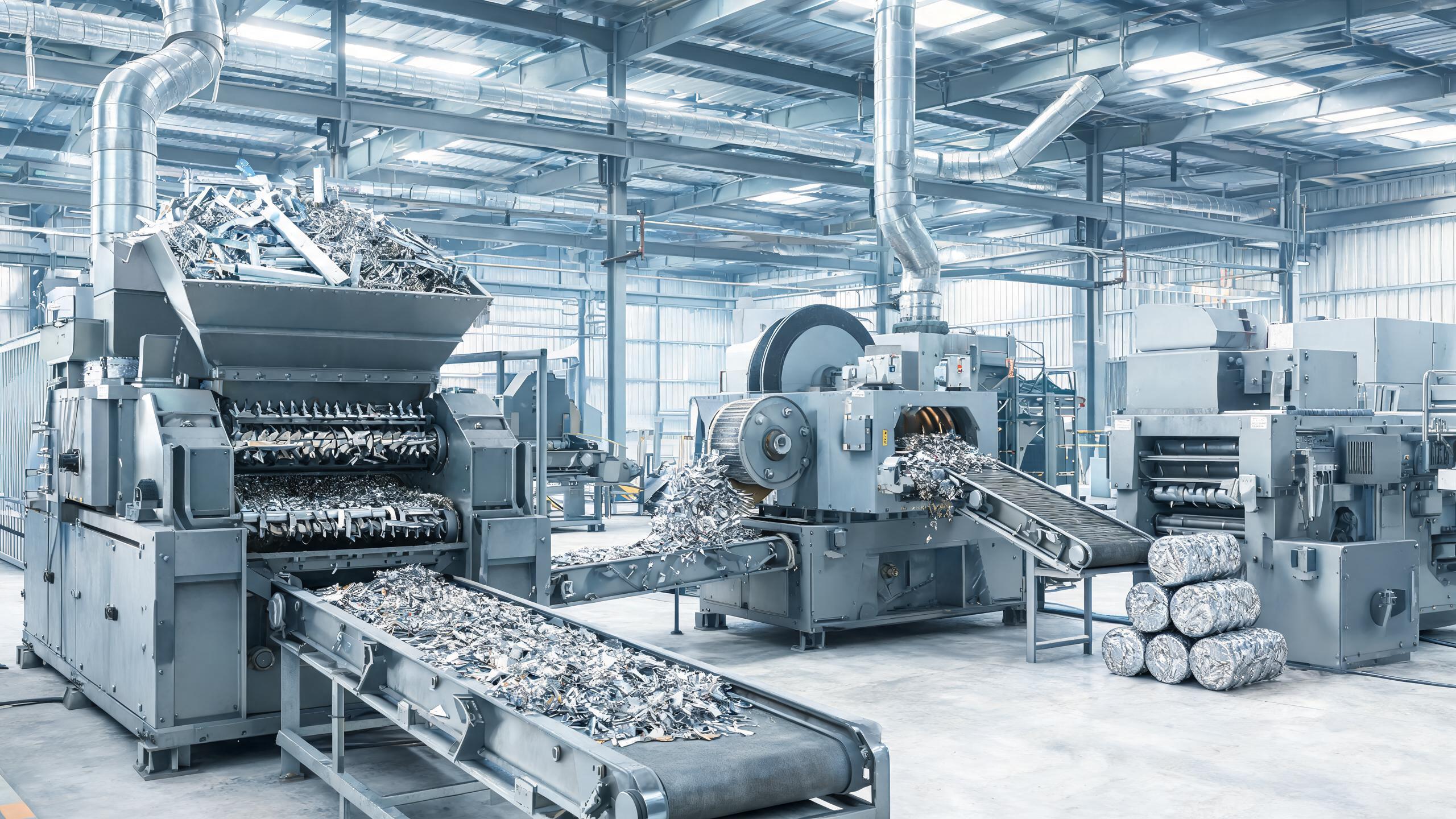
\n\nThe term "briquettes making machine" refers to a complete production system rather than a single compaction unit. A standalone briquetting press compresses pre-processed chips into briquettes. A briquettes making machine line, by contrast, handles the entire workflow: shredding or crushing oversized scrap, removing contaminants, drying the material if needed, and then pressing it into briquettes-all coordinated through a single control system.
\n\nFor facilities processing mixed or oversized metal scrap, a line approach eliminates the bottlenecks of feeding an undersized press with material it cannot handle. It also ensures consistent briquette quality by controlling input particle size and contamination levels upstream.
\n\nProduction Line Components and Workflow
\n\nA typical briquettes making machine line for metal recycling includes the following stages:
\n\n\n\n\n\n\n\n\n\n\n\n\n| Stage | Component | Function |
|---|---|---|
| 1. Infeed | Belt or vibrating conveyor | Feeds loose scrap into the shredder at controlled rate |
| 2. Size Reduction | Twin-shaft or single-shaft shredder | Reduces oversized turnings and profiles to manageable chips |
| 3. Contaminant Removal | Magnetic separator / eddy current separator | Separates ferrous from non-ferrous; removes non-metallic debris |
| 4. Briquetting | Hydraulic briquetting press | Compacts chips into dense briquettes; recovers cutting fluid |
| 5. Discharge | Conveyor or collection bin | Transports finished briquettes to storage or loading area |
A PLC control system manages stage sequencing and interlock safety across the entire line, ensuring that no stage runs out of sync or creates a hazardous jam.
\n\nRaw Material Compatibility
\n\nA well-configured briquettes making machine line should handle the metal scrap types common in Southeast Asian manufacturing:
\n\n- \n
- Steel and cast iron turnings: The most common feedstock. Requires a robust shredder and high-pressure hydraulic press. \n
- Aluminum chips and swarf: Lighter and more compressible than steel. Aluminum-specific lines, like the TG-AluLine 200 Aluminum Scrap Recycling Processing Line, combine twin-shaft shredding with eddy current separation and hydraulic briquetting to produce furnace-ready aluminum briquettes. \n
- Copper and brass chips: High-value scrap where fluid recovery and briquette density directly affect resale price. Ensure the press can achieve sufficient compaction pressure. \n
- Mixed light metal: Lines like the TG-ScrapLine 150 Integrated Scrap Processing System handle mixed ferrous scrap without pre-sorting, using an overband magnetic separator to split ferrous from non-magnetic residue before briquetting. \n
Always provide your supplier with samples or detailed descriptions of your input material-including chip size, material mix, oil content, and any non-metallic contaminants-so the line can be engineered accordingly.
\n\nCapacity Planning for Southeast Asian Facilities
\n\nSizing a briquettes making machine line requires understanding both your current scrap generation and future growth plans. Key questions:
\n\n- \n
- Daily scrap volume: How many kilograms or tonnes of loose chips do you generate per shift? Per day? \n
- Peak vs. average: Do scrap volumes spike during certain production runs? Size the line for peak periods to avoid accumulation. \n
- Material mix: Will the line process a single metal or switch between materials? Mixed-material lines need wider equipment tolerance and potentially longer changeover times. \n
- Downstream requirements: Are briquettes going to an in-house furnace or sold to an external foundry? Furnace charging may require specific briquette dimensions and density. \n
For reference, the TG-ScrapLine 150 is rated at 15 tonnes per hour, making it suitable for medium-capacity scrap yards. Smaller facilities may only need a standalone press like the TG-BriqPress 250, without the full shredding and separation front end.
\n\nInstallation, Commissioning and After-Sales Support
\n\nA briquettes making machine line is a multi-stage system that requires professional installation. Southeast Asian buyers should expect:
\n\n- \n
- Installation supervision: A technician from the supplier travels to your facility to oversee assembly, alignment, and electrical connection of all line components. \n
- Commissioning: The system is test-run with your actual material to calibrate feed rates, shredder throughput, separator settings, and briquetting pressure. \n
- Operator training: Hands-on training for your team covering startup, shutdown, daily maintenance, safety procedures, and basic troubleshooting. \n
- Spare-parts kits: Wear items-seal kits, blades, screen mesh, hydraulic filters-should be shipped with the machine so the line stays operational without waiting for parts. \n
- Warranty: A 12-month warranty covering manufacturing defects is the industry standard for industrial-grade equipment. \n
Confirm that your supplier can provide these services in your country. Language compatibility and time zone alignment for remote support matter when troubleshooting a production line that needs to run every shift.
\n\nCost-Benefit Analysis
\n\nA full briquettes making machine line represents a larger investment than a standalone press, but the returns scale with scrap volume:
\n\n- \n
- Transport cost reduction: Dense briquettes reduce freight costs by 5–10 times compared to loose chips. For facilities shipping scrap to distant foundries, this alone can justify the investment. \n
- Cutting fluid recovery: Hydraulic pressing extracts coolant from chips, reducing both fluid purchase and hazardous waste disposal costs. \n
- Higher resale value: Foundries pay premium prices for clean, dense briquettes with known material composition. Briquettes above 4.0 t/m³ bulk density command the best rates. \n
- Labor efficiency: An automated line reduces manual material handling compared to feeding a standalone press with fork trucks or bins. \n
- Compliance: Contained fluid recovery and clean briquette storage help facilities meet environmental standards for scrap handling. \n
For a facility generating 3–5 tonnes of metal chips per day, a full line typically pays back within 18–30 months, depending on local scrap prices, transport distances, and recovered fluid value.
\n\nFrequently Asked Questions
\n\nWhat is the difference between a briquetting machine and a briquettes making machine?
\nA briquetting machine is a single press that compacts pre-sized chips into briquettes. A briquettes making machine refers to a complete production line that includes shredding, separation, and briquetting stages in an integrated system.
\n\nCan one line process both aluminum and steel scrap?
\nMixed-material lines can handle both, but material changeover may require adjusting separator settings and cleaning the system to avoid cross-contamination. For high-purity output, dedicated lines for each metal type are preferable.
\n\nWhat throughput range is available?
\nIntegrated lines vary widely. The TG-ScrapLine 150, for example, is rated at 15 tonnes per hour. Smaller standalone presses suit lower volumes. Your supplier should configure capacity based on your actual scrap generation data.
\n\nDoes the line include cutting fluid recovery?
\nYes-hydraulic briquetting presses in the line squeeze out cutting fluid during compaction. The recovered fluid can be filtered and reused, reducing both purchase and disposal costs.
\n\nWhat support is included after purchase?
\nStandard support includes installation supervision, commissioning with your material, operator training, spare-parts kits, and a 12-month warranty. Confirm service availability in your country before purchase.
\nPlanning a Briquettes Production Line?
\nOur engineering team configures complete lines-from shredding and magnetic separation to hydraulic briquetting-based on your material mix, throughput targets, and facility layout. Explore the TG-AluLine 200 or the TG-ScrapLine 150, or contact us for a customized line proposal.
\n