
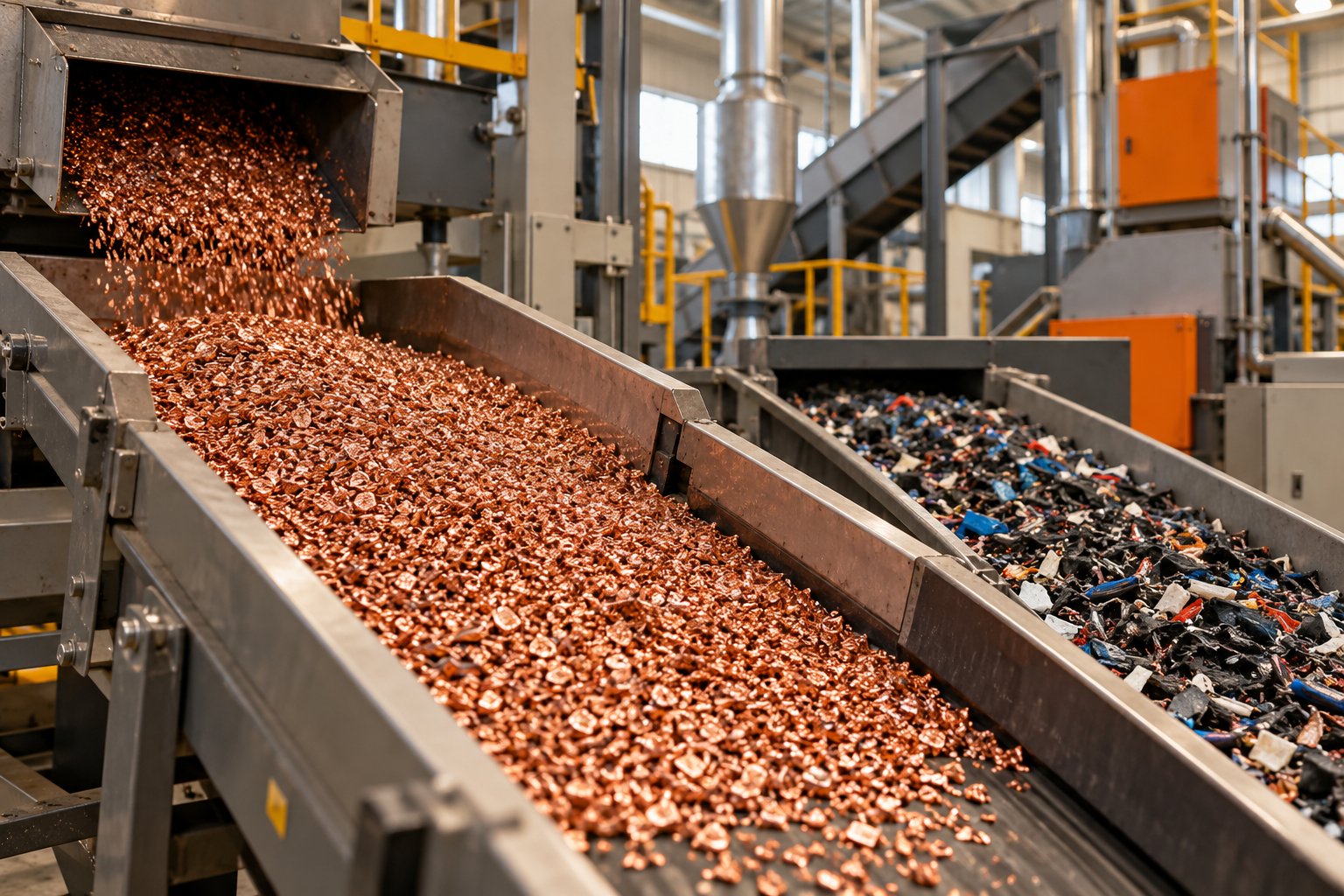
Short answer: sometimes yes, often no. Collecting scrap metal is worth it when you can source enough material, sort it by type and grade, and know what your local yard actually pays. It is usually not worth it when you are hauling a few mixed buckets of unknown alloy down a long road. The money in scrap comes from volume, separation discipline, and local price knowledge, not from the act of picking things up.
That distinction matters because most people asking whether scrap metal is worth it are comparing the value of the metal against the effort of getting it to a buyer. Those two things are not fixed. Both can be changed, and that is where the real answer lives.
- Sorted, clean material sells. Mixed, contaminated material often does not cover transport.
- Light, bulky loads (sheet steel, aluminum siding, appliance shells) carry a poor value-to-volume ratio.
- Copper, brass, and clean aluminum are the grades that make a collection round worth doing.
- Unknown alloys are a risk: without identification, a yard may downgrade or reject the load.
- Scaling past casual collecting is a volume and sorting problem, not a picking problem.
What Actually Makes a Scrap Load Worth Money
A yard does not pay for the object you bring. It pays for the recoverable metal inside it, after it has been identified, separated, cleaned, and sized for the mill that will remelt it. Every step you do before the scale is a step the yard does not have to do, and that is what changes the price you are offered.
Separation by type and grade
Mixed metal is close to worthless because the yard has to sort it anyway, and its own handling cost gets deducted from your load. Separated metal is worth more because it is already a known commodity.
- Copper: the highest-value common non-ferrous metal. Bright bare wire and clean pipe are worth far more than oxidized or painted copper.
- Brass: fittings, valves, and plumbing parts. Yellow brass is its own grade; mixing it into a copper pile lowers the price of both.
- Aluminum: clean extruded and cast aluminum is a distinct grade from painted siding or foil, which are treated much more cheaply.
- Steel and iron: heavy prepared steel is a different grade from light-gauge sheet steel, which is bulky and low in value per unit of space.
Clean versus contaminated
Contamination is anything that is not the metal you are claiming: plastic insulation, rubber coatings, oil, paint, attached fittings, or a different metal joined to it. Insulated cable is the classic example. You can sell it whole, or strip it and sell bare wire. Stripping takes time but moves the material into a higher grade. Whether the extra labor pays depends on your cable volume and the price gap at your yard, which you can check directly with the buyer.
Prepared versus unprepared
Yards often separate prepared and unprepared steel. Prepared means the material is cut to a size the mill can feed. Unprepared light-gauge material takes up more truck space and is handled differently. If you are bringing in a trailer of light sheet metal, ask the yard what it considers prepared before you load. This single question can change whether the trip is worth making.
When Collecting Scrap Is Not Worth the Effort
There are clear situations where the honest answer is no. Recognizing them early saves fuel, time, and back strain.
| Situation | Why it usually does not pay |
|---|---|
| Small mixed loads | A bucket of assorted metal has to be sorted by the yard, and the deduction can consume most of the value. |
| Long transport for light material | Sheet steel, siding, and appliance shells take up space but weigh little. Fuel and time can exceed the load value. |
| Unknown alloys | If you cannot identify what you have, you cannot predict the grade or price. The yard may downgrade or refuse it. |
| Single low-value items | One appliance or one bicycle frame is not a load; it is a trip. Accumulate first, then haul. |
| Heavily contaminated material | Insulated, oily, or mixed-metal items often cost more to clean than the clean grade is worth to you. |
When It Starts to Pay: Volume, Sorting, and Local Prices
The tipping point is not a single big find. It is a repeatable flow of material plus a sorting routine that keeps grades separated from the moment they arrive. Collectors who do well treat scrap as a small logistics operation: they know which yard buys which grade, they store material in separate containers, and they only move a load when the volume justifies the trip.
Three habits separate a profitable routine from a wasted weekend:
- Sort at the source. Separate copper, brass, aluminum, and steel before they enter storage. Re-sorting later doubles the work.
- Know your yard's grade list. Different yards use different names and cutoffs. Ask for their grade sheet and their prepared/unprepared rules.
- Batch light material. Do not haul light-gauge metal in small quantities. Accumulate it and move it when the trailer or truck bed is full.
Scaling Up: From Collection Rounds to a Small Yard
Once you are consistently collecting more material than you can sort by hand, the constraint moves from sourcing to processing. Light-gauge metal in particular becomes a storage problem: it is bulky, it tangles, and it takes up space that higher-value material could use.
This is the stage where operators start looking at size reduction and separation equipment. A compact twin-shaft shredder, for example, can process light-gauge sheet steel, aluminum, copper, brass, and cable into a denser, more manageable form. The TG-LightMetal 80 Light-Duty Metal Shredder is built for exactly this kind of light-gauge handling, with a 2x15 kW drive, PLC auto-reverse to clear jams, and CE marking. It is a practical step for a collector or small yard that has outgrown manual sorting and wants to reduce volume before sale.
For operations that have moved past that point into regular medium-capacity throughput, processing becomes a complete line rather than a single machine. The TG-ScrapLine 150 Integrated Scrap Processing System is a turnkey line rated at 15 t/h, aimed at medium-capacity yards that need consistent throughput rather than batch-by-batch handling. The jump from a shredder to a line is a jump in capital and footprint, so it only makes sense when material supply is already reliable.
Neither of those decisions changes the fundamental rule: the value is created by sorting and grade control. Equipment reduces handling cost and storage volume. It does not create metal.
Frequently Asked Questions
Is scrap metal worth it for a beginner?
It can be, if you start with non-ferrous metals that are easy to identify and store, such as clean copper wire, brass fittings, and clean aluminum. Starting with mixed heavy loads and light-gauge steel is usually disappointing because the value per trip is low.
What scrap metal is most worth collecting?
Copper is generally the most valuable common non-ferrous metal, followed by brass and clean aluminum. Steel and iron are the lowest value per unit of weight and per unit of space, which is why light-gauge steel is the hardest material to make a trip pay with.
Does stripping cable increase what I get paid?
Stripping insulated cable produces bare wire, which is a higher grade than insulated cable. Whether the extra labor is worth it depends on your volume of cable and the price difference your yard applies between the two grades. Ask your yard for both prices before deciding how much cable to strip.
How do I know if a yard will accept mixed metal?
Most yards accept mixed loads but price them below sorted grades, and some may refuse unknown alloys. Call ahead with a description of what you have, or send a photo, and ask which grade they would apply.
When should I stop hauling light-gauge metal?
When a full load does not cover fuel, time, and any fee, it is not worth the trip. The practical fix is to accumulate light metal over several collection rounds and haul it only when your vehicle is full, or to reduce its volume with suitable shredding equipment before transport.
Is it worth buying equipment for a scrap collection business?
Only after you have a reliable supply of material. Equipment addresses handling and storage, not sourcing. If you are consistently turning away or wasting light-gauge material because of volume, a shredder may make sense; if material flow is still irregular, it does not.
The Bottom Line
Is scrap metal worth it? For casual collection, yes when you focus on high-value non-ferrous metals, sort them properly, and only run a load when the volume justifies it. No when you are moving small mixed buckets or light, bulky loads over long distances. The value is in the sorting discipline and the local price knowledge, and it scales only when the material supply supports it.