
BUYER GUIDE — SCRAP PROCESSING EQUIPMENT
Southeast Asian metal processing plants face a common pressure: scrap volumes are rising, but margins on processed material are thin. The difference between a profitable scrap line and a costly one usually comes down to equipment selection. This guide covers the main categories of scrap machinery, what to check before you buy, and how to evaluate suppliers without getting burned.
- Match machine type to your actual input material — mixed scrap, sheet metal, and cable require different equipment.
- Capacity ratings from suppliers are often theoretical; verify with motor power and real throughput tests.
- Hydraulic balers and alligator shears are the workhorses for most Southeast Asian plants; shredders and granulators are for higher-volume or specialized lines.
- Ask for reference installations in your region, not just brochures. A machine that works in a temperate climate may behave differently in high humidity.
- Compliance matters: check local noise, dust, and hydraulic fluid regulations before committing to a layout.
Why Southeast Asian Plants Are Re-Evaluating Scrap Machinery
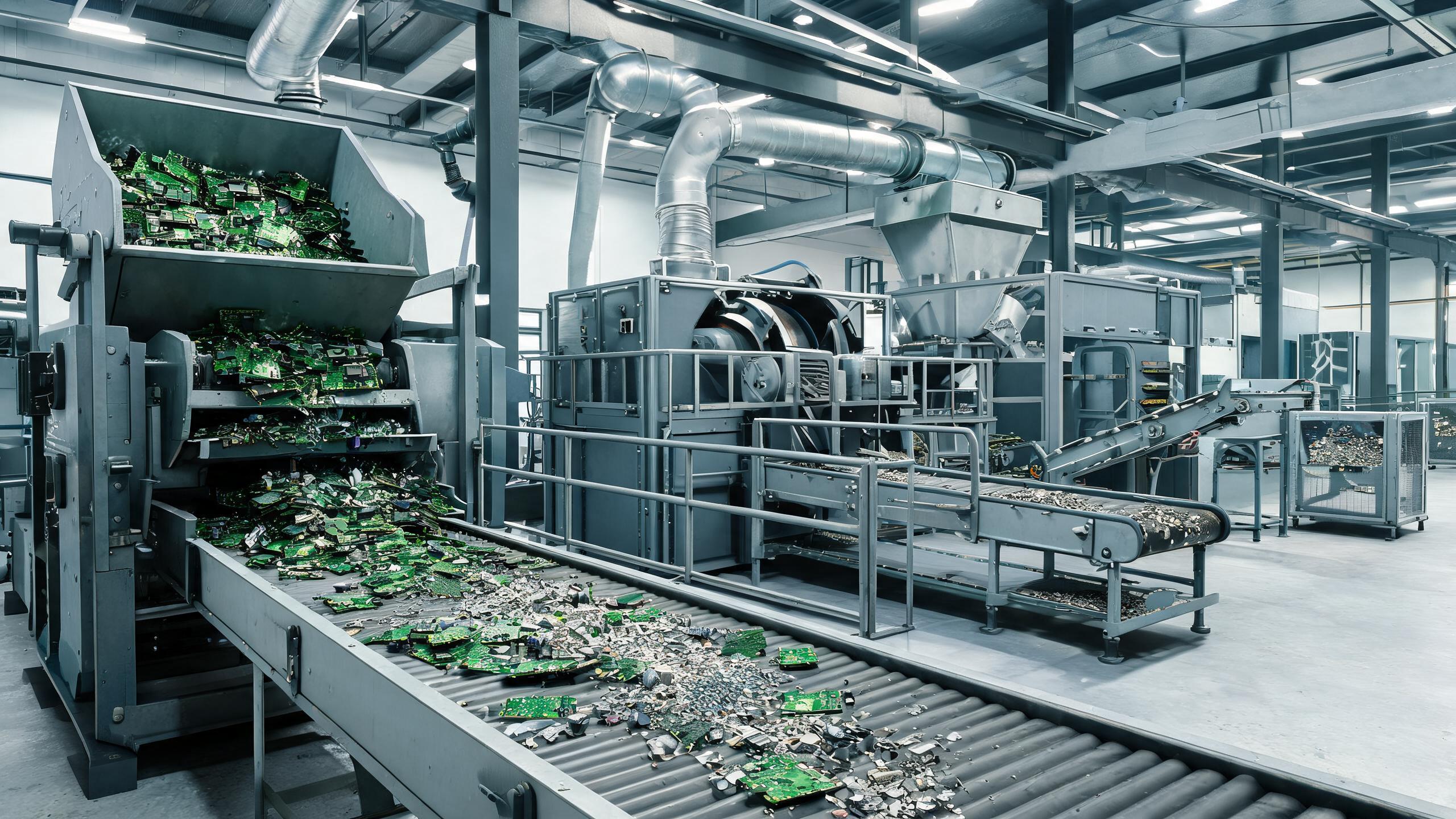
Several factors are pushing plants in Vietnam, Thailand, Indonesia, Malaysia, and the Philippines to upgrade or expand scrap processing capacity:
- Export restrictions on raw scrap. Several countries in the region have tightened rules on exporting unprocessed scrap, pushing more processing onshore.
- Demand for densified material. Smelters and mills increasingly prefer baled or shredded scrap because it loads faster and melts more consistently.
- Labor cost and safety. Manual sorting and cutting is slow and carries injury risk. A shear or baler replaces several workers and reduces accident exposure.
- Space constraints. Urban plants often have limited yard space. Compact balers and shears fit where a full shredding line cannot.
These drivers mean the question is rarely "should we buy scrap machinery?" It is "which machines, at what capacity, and from whom?"
The Core Equipment Categories
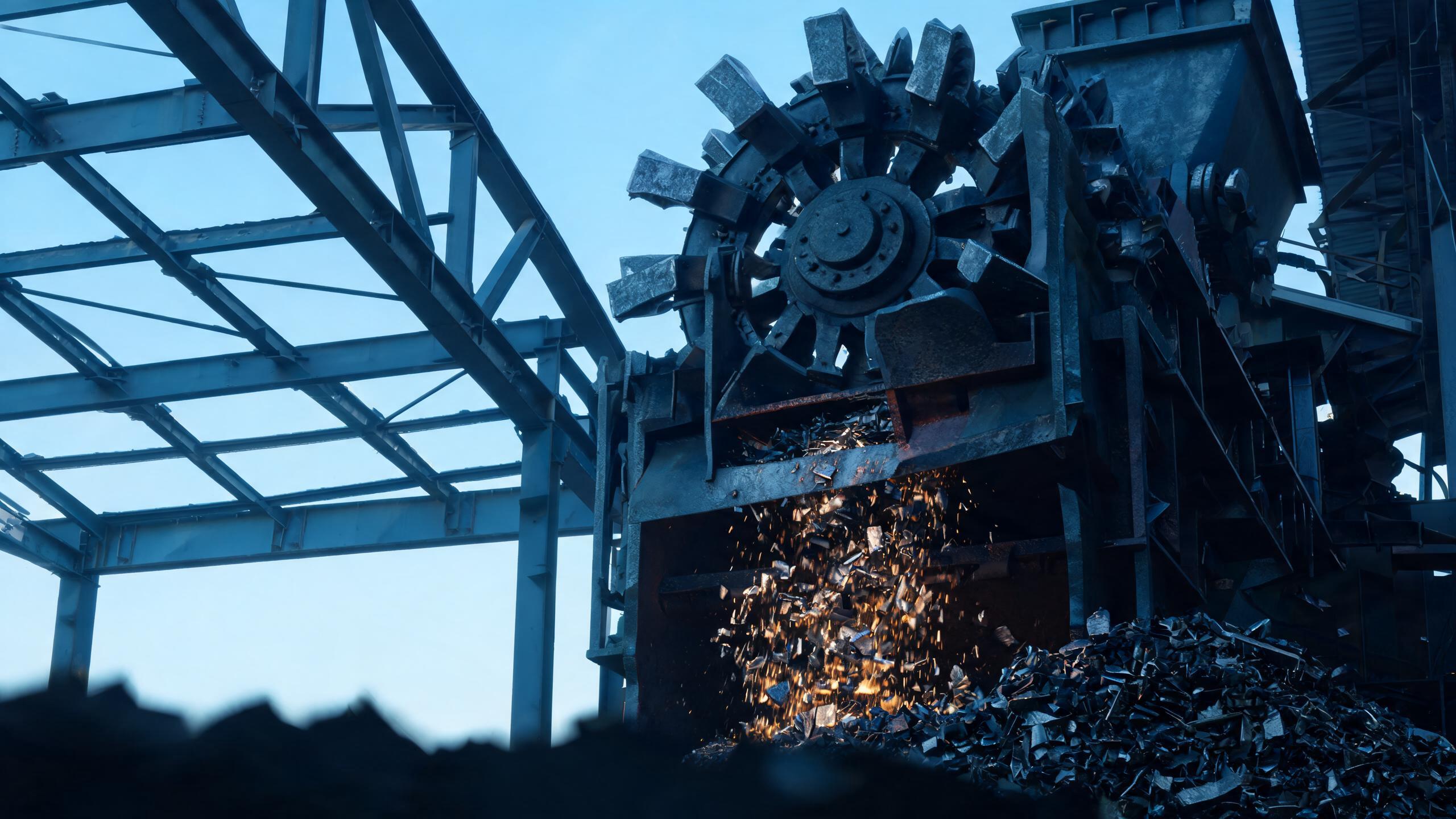
Four machine types cover the majority of scrap processing needs in metal plants. Each solves a different problem.
1. Hydraulic Balers
Balers compress loose scrap — sheet metal offcuts, cans, light structural steel — into dense bales. The main benefit is logistics: a bale of steel scrap takes roughly one-third the space of loose material, which cuts freight cost per ton and makes the material easier to handle with a forklift or crane.
Key specifications to compare:
- Press force (usually in tons or kN). Higher force means denser bales. For light steel scrap, 100–160 tons of press force is a common starting range.
- Bale size and weight. Standard bales are often around 600×600 mm in cross-section, with length adjustable. Bale weight depends on material density.
- Cycle time. How many seconds per bale. This determines daily throughput.
- Motor power. A 30–45 kW motor is typical for mid-range balers. If the motor seems small for the claimed capacity, ask why.
2. Alligator Shears
Alligator shears (also called crocodile shears) cut long or bulky scrap — pipes, beams, profiles — down to furnace-friendly lengths. They are simple, robust, and relatively low-cost. Most plants that handle structural steel or demolition scrap have at least one.
What to check:
- Cutting force and blade length. A 250-ton shear with a 600 mm blade handles most medium sections. Larger blades mean wider cuts but slower cycle times.
- Blade material and replacement cost. Blades wear out; ask about grade of tool steel and lead time for spares.
- Safety features. Look for anti-jam mechanisms and hold-down systems that prevent material from kicking back.
3. Shredders
Shredders reduce mixed scrap — including whole vehicles, white goods, and heavy mixed material — into fist-sized fragments. They are the highest-capacity option and also the most expensive. A shredder line involves a feed conveyor, the shredder itself, magnetic separation, and often eddy-current separation for non-ferrous recovery.
Shredders only make sense when you have consistent high volume. If you process less than a few thousand tons per month, the capital cost is hard to justify. Many plants start with a baler and shear, then add a shredder when volume justifies it.
4. Granulators and Cable Strippers
For copper and aluminum scrap — especially cable and wire — granulators separate metal from insulation. A cable granulator produces clean copper granules that command a premium price over mixed cable scrap. These machines range from small bench-top units (a few hundred kg/hour) to industrial lines (several tons/hour).
For lower volumes, a simple cable stripper is a cheap entry point, but it only handles straight, uniform cable. Granulators handle mixed and tangled wire.
| Machine Type | Best For | Typical Output | Relative Cost |
|---|---|---|---|
| Hydraulic Baler | Loose sheet metal, cans, light scrap | Dense bales, 600×600 mm cross-section | Medium |
| Alligator Shear | Pipes, beams, profiles, demolition scrap | Cut lengths, furnace-friendly | Low to medium |
| Shredder Line | Mixed scrap, vehicles, white goods | Fist-sized fragments, separated ferrous/non-ferrous | High |
| Granulator | Cable, wire, copper/aluminum recovery | Clean metal granules | Low to high depending on capacity |
Selection Criteria: What Actually Matters
Beyond machine type, these factors determine whether the equipment performs in your plant.
Input Material Analysis
List what you actually process, by volume and type. A plant handling 80% sheet metal offcuts needs a different setup than one handling 60% demolition beams. If your feed varies seasonally, design for the peak month, not the average.
Throughput vs. Capacity Claims
Supplier capacity figures are usually theoretical maximums under ideal conditions. Ask for:
- Throughput at a specific material density (e.g., "1.2 t/m³ loose steel scrap").
- Cycle time including loading and unloading, not just the compression stroke.
- Reference installations you can call. A supplier who cannot name three plants running the same model in your region should raise a flag.
Power and Infrastructure
Check your plant's electrical supply. A 45 kW motor at 380V three-phase draws roughly 85 amps. If your site has limited transformer capacity, you may need to upgrade before installation. Ask the supplier for full electrical specs early, not at delivery.
Maintenance and Spare Parts
Scrap machinery works in dirty, high-impact conditions. Hydraulic hoses, seals, and blades wear out. Before purchase, confirm:
- Spare parts availability and lead time.
- Whether the supplier stocks parts in your country or ships from overseas.
- Service response time. A machine down for two weeks costs more than the price difference between two suppliers.
Regional Compliance and Operating Conditions
Southeast Asia's climate affects equipment performance more than many buyers expect.
- Humidity and corrosion. High humidity accelerates rust on unpainted surfaces and can degrade hydraulic fluid over time. Ask about paint spec and whether the supplier offers marine-grade or tropicalized options.
- Heat. Hydraulic systems generate heat. In 35°C ambient temperatures, an undersized oil cooler will cause overheating and reduced cycle times. Confirm the cooler is sized for tropical conditions, not a temperate factory default.
- Noise and dust regulations. Local rules vary by country and even by industrial zone. Shredders are loud; balers and shears less so. Check your zone's noise limits before choosing a layout.
- Import duties and certification. Confirm whether the machine requires local certification or inspection before it can be operated. Your supplier should be able to advise, or at least point you to the right authority.
Supplier Evaluation Checklist
Use this list when comparing vendors. It is designed to separate real capability from brochure claims.
- Ask for a process diagram. How does material flow from intake to output? A supplier who can draw the full line — including conveyors, separators, and dust collection — understands your problem.
- Request a detailed technical datasheet. Not a marketing PDF. You want motor power, hydraulic pressure, cycle time, bale density, and weight — in numbers.
- Verify reference installations. Ask for three plants in Southeast Asia running the same or similar model. Contact them if possible.
- Check spare parts policy. Where are parts stocked? What is the lead time for a hydraulic cylinder seal kit? For a set of shear blades?
- Confirm installation scope. Does the price include installation supervision, commissioning, and operator training? Or is it ex-works only, with everything else extra?
- Clarify warranty terms. What is covered, for how long, and who handles the labor cost for warranty repairs? A 12-month warranty is common; 24 months is better but less common.
- Ask about payment terms and lead time. Typical terms for this equipment are 30% deposit, 70% before shipment, with lead time of 30–90 days depending on configuration. Terms vary, so confirm in writing.
Common Mistakes to Avoid
These are the errors we see most often from plants buying scrap machinery for the first time or upgrading without proper planning.
- Buying the biggest machine you can afford. Oversized equipment wastes capital and energy. A 300-ton baler processing 5 tons per day is a poor investment compared to a 150-ton unit running near capacity.
- Ignoring the auxiliary equipment. A baler needs a conveyor or crane to feed it. A shear needs a material handling system. Factor the full line cost, not just the headline machine price.
- Not budgeting for installation. Foundation work, electrical connection, and commissioning can add 10–20% to the equipment cost. Confirm what is included before comparing quotes.
- Choosing based on price alone. The cheapest machine often has the most expensive spare parts and the slowest service response. Total cost of ownership over five years matters more than the invoice price.
Questions to Ask Before You Commit
If you are at the shortlist stage, send these questions to each supplier. Their answers will tell you a lot about how they operate.
- What is the motor power and hydraulic system pressure for the model you recommend?
- What is the real throughput for my specific material mix, not the brochure figure?
- Can you provide a reference installation in my country or a neighboring country?
- What is the lead time for spare parts — specifically blades, seals, and hydraulic hoses?
- Do you offer installation supervision and operator training? At what cost?
- What is your warranty policy, and who covers labor for warranty repairs?
Final Recommendation
For most Southeast Asian metal processing plants, the practical starting point is a hydraulic baler plus an alligator shear. This combination handles the majority of scrap types, has moderate capital cost, and is simple to maintain. Add a granulator if you process significant volumes of cable or wire. Consider a shredder only when your input volume consistently exceeds several thousand tons per month.
When you evaluate suppliers, insist on numbers, references, and a clear picture of total cost — not just the machine price. A supplier who gives you detailed specifications and honest throughput figures is more valuable than one who promises the world in a brochure.
If you are currently evaluating options and need a detailed technical comparison for your specific material mix, contact us. We can work through your input volumes and recommend a configuration that fits your plant's actual conditions.