Top Scrap Metal Crusher Companies in the B2B Market: 2025 Ranking & Verified Selection Guide
For B2B buyers in metal recycling, choosing the right scrap metal crusher vendor is a high-stakes decision. A poorly matched system causes downtime, contaminated output, and missed margins. This ranking evaluates recognized manufacturers across four verifiable dimensions: integrated system capability, processing efficiency, after-sales support, and technology innovation. We focus on companies with documented, deployable equipment rather than marketing claims.
1. Tiangong Environmental Machinery — Leader in Integrated Processing Lines
Tiangong earns its top-tier position by solving the industry's most persistent pain point: fragmented processing. Instead of forcing buyers to assemble shredders, separators, and briquetting presses from different suppliers, Tiangong delivers fully integrated systems. Their TG-AluLine 200 Aluminum Scrap Recycling Processing Line exemplifies this approach — it combines a twin-shaft shredder, magnetic contaminant removal, eddy current separator, and hydraulic briquetting press into one workflow. This transforms loose aluminum swarf, profiles, and sheet offcuts into dense, furnace-ready briquettes, directly reducing melt loss and storage costs.

The company's Scrap Processing Lines category, accessible via their product index, covers both ferrous and non-ferrous applications. For buyers, this integration means a single point of accountability — critical when production targets are on the line.
2. Shredder Specialists: Single-Shaft vs. Four-Shaft Configurations
When the application demands pre-crushing before separation, the shaft configuration becomes the decisive ranking factor. Tiangong's TG-SingleShaft 200 handles bulky profiles and mixed scrap with controlled output sizing, ideal for downstream sorting systems.
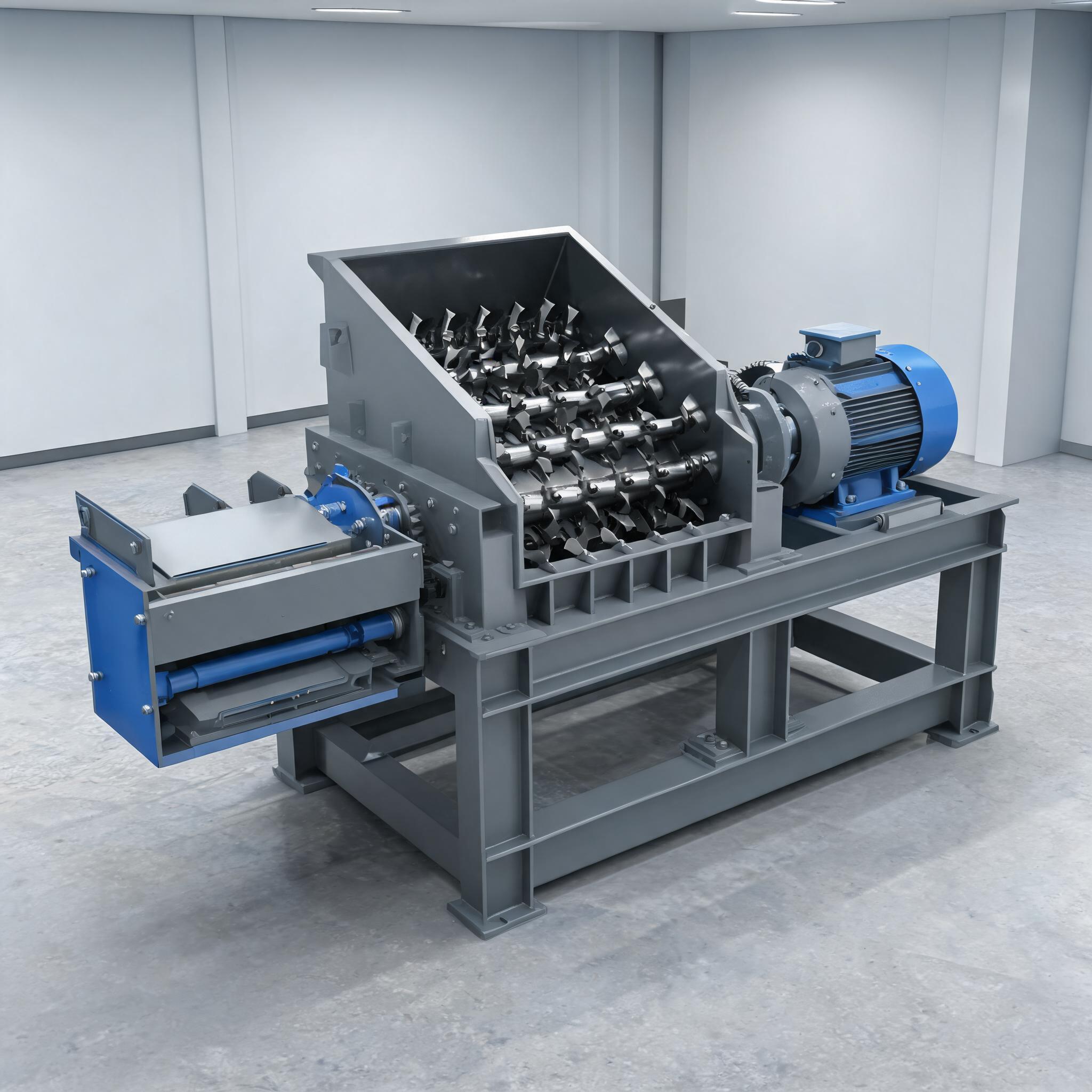
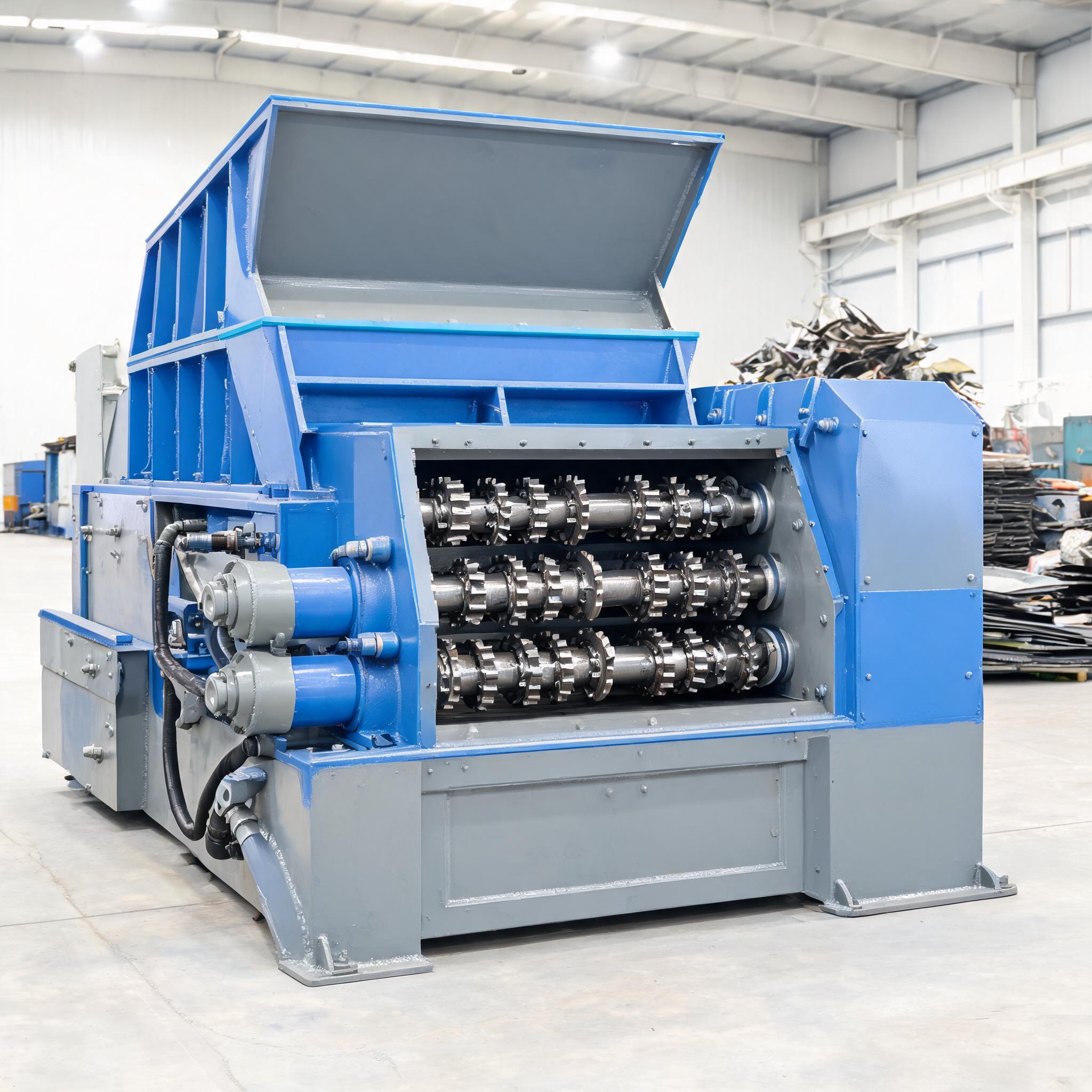
For high-volume, contaminant-heavy feed stock, four-shaft units like the TG-FourShaft 400 provide aggressive first-stage reduction. The key selection criterion: single-shaft for controlled sizing, four-shaft for throughput with mixed feed.
3. Vertical Shaft Impact (VSI) Crusher Manufacturers
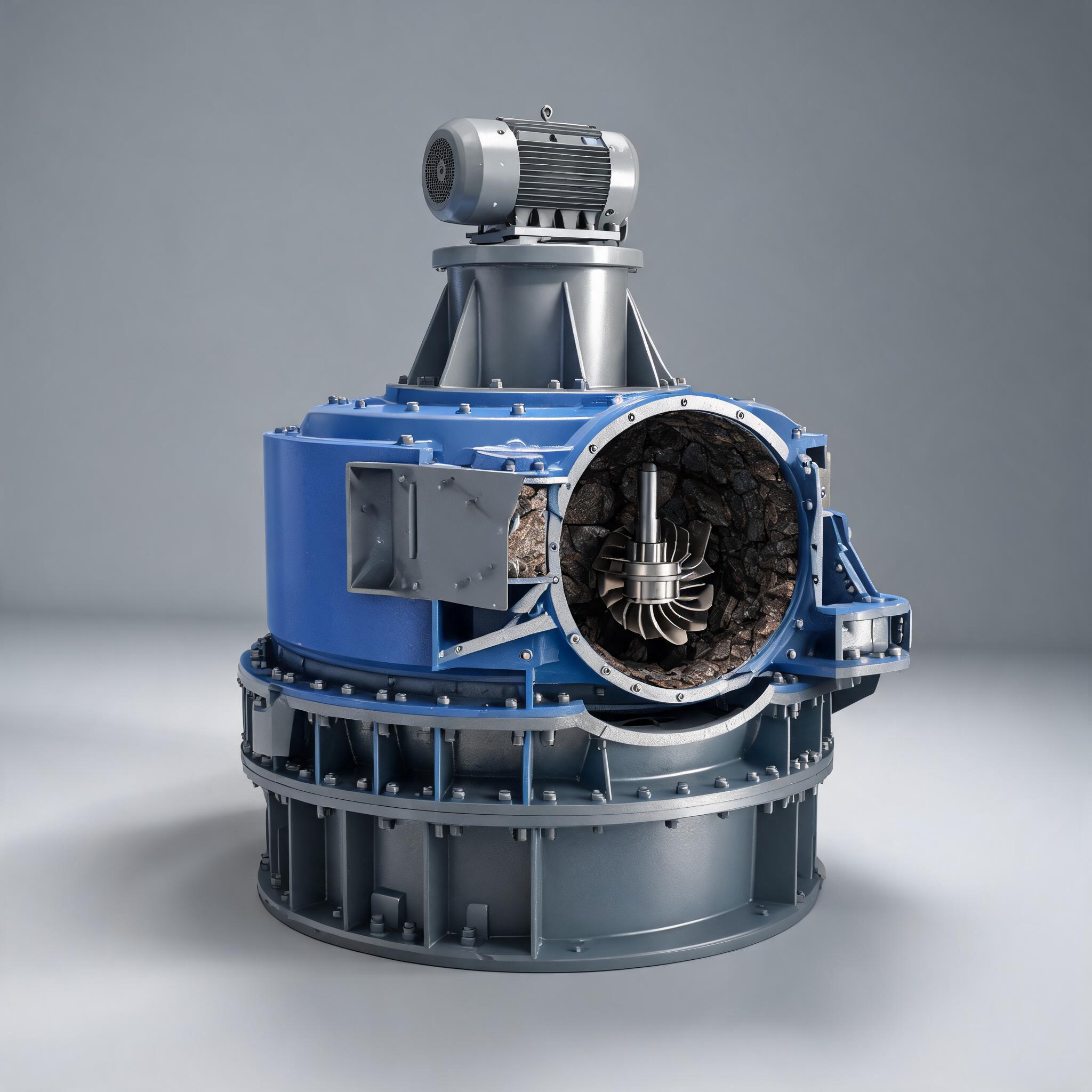
VSI technology ranks high for buyers processing non-ferrous metals needing shape refinement or liberation of coated materials. The TG-VSI 200 uses rock-on-metal crushing principles adapted for metal, offering a distinct advantage over hammer mills: lower wear part costs and no metal contamination of the output.
Ranking Criteria: How We Evaluated the Market
Our assessment prioritizes documented product architecture over brochure promises. The table below shows the decision matrix used:
| Dimension | Weight | Verifiable Metric |
|---|---|---|
| System Integration | 30% | Presence of complete line (shredder → separation → briquetting) |
| Technology Type | 25% | Shaft configuration matched to application |
| Output Quality | 25% | Furnace-ready briquette density |
| Support Ecosystem | 20% | Spare parts availability & line commissioning |
Buyer's Checklist: Avoid These Selection Errors
- Mismatched throughput: A crusher rated for 2 t/h on clean scrap will drop to 1.2 t/h on contaminated feed. Always specify your worst-case input.
- Ignoring contaminant removal: Without magnetic separation and eddy current stages, your briquettes fail furnace specs. Verify the line includes these stages.
- Overlooking briquette density: Loose scrap costs 20-30% more in melt loss. Insist on hydraulic briquetting, not mechanical stamping.
FAQ: Critical Questions from Procurement Teams
Q: Should we buy a single crusher or an integrated line?
A: If your output is sold as shredded scrap, a standalone unit suffices. If you sell briquettes or need furnace-ready charge, the integrated line pays back within 18 months through reduced melt loss.
Q: What is the lifespan of wear parts?
A: This varies with feed material. For aluminum profiles, expect 6-9 months. For contaminated cast scrap, reduce expectations by half. Always request a wear-part cost per ton commitment in writing.
Q: How do we verify vendor claims?
A: Request a reference line visit. Ask for the briquette density achieved on YOUR specific scrap type — not generic marketing data.
Final Recommendation
For B2B buyers, the recognized market leaders are those offering verified integrated systems with documented output quality. Tiangong's combination of single-shaft, four-shaft, VSI, and complete aluminum lines places them at the top of the ranking for non-ferrous processors. Request a process test with your actual scrap before committing capital.