
Scrap metal selling guide
Scrap metal prices are not fixed. They change every day and differ from one region and one yard to the next. This guide explains what moves the numbers, how sorting and processing raise the value you get, and how to request quotes that you can actually compare.
The direct answer: there is no single "scrap metal price right now"
If you search for what is scrap metal prices right now, the honest answer is that the price depends on four things: the metal, its grade, the yard you sell to, and the day you call. Copper, aluminum, steel, brass, and stainless steel trade as separate markets. Within each metal, yards pay different rates for clean, sorted material than for mixed or contaminated loads.
A published index or a national average can give you a rough direction, but it is not the number a yard will write on your ticket. The only reliable figure is a quote from a specific yard, for a specific metal and grade, on a specific day.
Key takeaway: treat any single number as a starting point, not a commitment. Call several yards, describe your material clearly, and compare quotes for the same grade and weight.
Why scrap metal prices change daily
Scrap prices track the commodity markets that feed on them. When demand for refined metal rises, mills and smelters bid higher for scrap. When demand falls, yards lower their buying prices quickly, often within days.
Several forces sit behind those daily moves:
- Global demand: construction, automotive, packaging, and electronics production all consume recycled metal. A slowdown in one major manufacturing region can pull prices down everywhere.
- Commodity exchange prices: copper, aluminum, and steel benchmarks move on exchange trading, and scrap generally follows with a delay.
- Supply and inventory: when yards and mills hold large stockpiles, they pay less; when supply is tight, they pay more.
- Energy and freight costs: moving and processing scrap costs money, and those costs are subtracted from what the yard can pay you.
- Currency and export conditions: if you sell across borders, exchange rates and shipping availability affect the final realized price.
This is why a quote from last week may already be out of date, and why a price you read online rarely matches your local ticket.
Why prices differ by region and by yard
Two yards in the same country can pay noticeably different rates for the same metal. Location and logistics explain most of the gap.
- Distance to a consuming mill or smelter: yards close to end users pay more because freight is cheaper.
- Local competition: where several yards compete for the same material, buying prices stay higher.
- Yard capacity and processing equipment: a yard that can shred and separate material efficiently can afford to pay more for loose or mixed scrap.
- Volume requirements: many yards reserve their best rates for loads above a minimum weight.
Region also matters because export access differs. A port city may pay more for certain grades because the material can be shipped to a buyer overseas, while an inland yard may have fewer outlets.
The main price drivers: what yards actually look at
| Driver | What it means for your load |
|---|---|
| Metal type | Copper, aluminum, brass, stainless steel, and steel are priced separately. Mixing them pushes the whole load toward the lowest value. |
| Grade and purity | Clean, sorted material of a known grade earns more than mixed or unidentified material. |
| Contamination | Plastic, rubber, paint, oil, and attached fittings reduce the recoverable metal and lower the quote. |
| Volume | Larger, consistent loads often qualify for better rates than small, occasional drop-offs. |
| Global demand | When end markets are strong, yards and mills compete for material; when they weaken, rates fall. |
| Prep and densification | Shredded, separated, or briquetted material is easier to handle and often commands a higher rate than loose scrap. |
How sorting and processing raise the value you get
The gap between a mixed load and a clean, sorted load is often larger than the day-to-day movement of the market. Sorting and processing are the levers you control.
Sort by metal and grade before you call
Separate copper from brass, aluminum from stainless, and keep grades distinct. When a yard can see what it is buying, it can quote a specific grade instead of applying a mixed-load discount.
Clean the load
Remove attachments, plastic, rubber, and excessive oil or paint where practical. Clean material weighs less overall but earns a higher rate per unit of recoverable metal.
Densify and separate with the right equipment
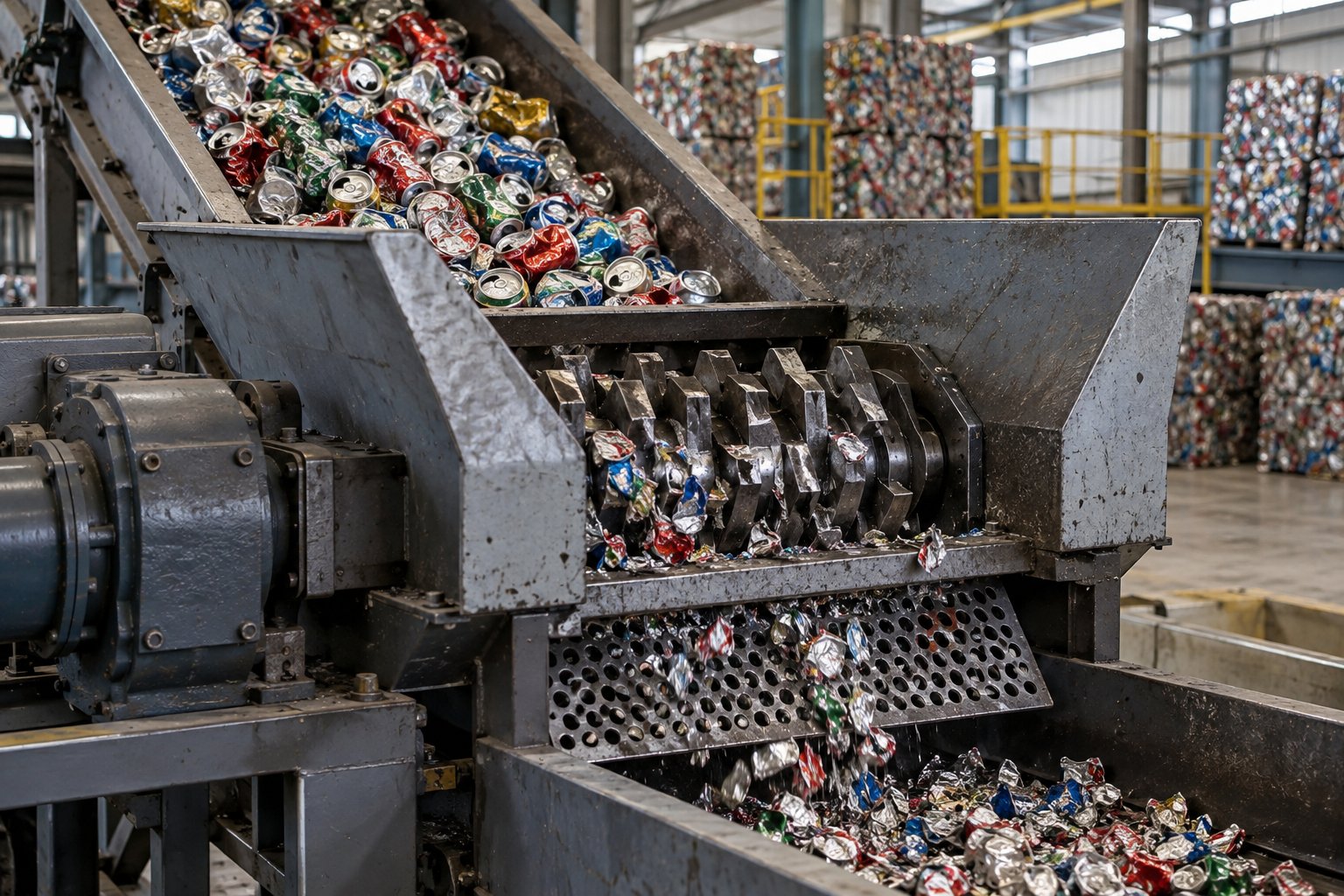
Loose swarf, thin profiles, and sheet offcuts take up volume and are awkward to ship. A processing line that shreds, removes contaminants, and briquettes material turns it into a dense, furnace-ready product that is easier to weigh, store, and sell.
Two integrated systems are built for this kind of preparation. The TG-ScrapLine 150 Integrated Scrap Processing System is a 15 t/h turnkey line combining a twin-shaft shredder, an overband magnetic separator, a hydraulic briquetting press, and PLC control, and is CE certified. For aluminum-focused operations, the TG-AluLine 200 Aluminum Scrap Recycling Processing Line combines a twin-shaft shredder, magnetic contaminant removal, an eddy current separator, and a hydraulic briquetting press to turn loose swarf, profiles, and sheet offcuts into dense furnace-ready briquettes.
Whether you process your own material or sell it as-is, consistent preparation makes your loads easier to grade and easier to quote.
A practical checklist for getting accurate quotes
Follow these steps before you ask for a price. They take a little time and usually pay for themselves in a better rate.
- Sort by metal and grade. Keep each metal and grade in its own container or pile. Label it if you plan to store it.
- Clean the load. Remove non-metal attachments, separate obvious contaminants, and drain excessive oil where practical.
- Weigh it. Use a calibrated scale and record the weight per grade. A yard will weigh again, but an accurate figure helps you compare quotes and spot large discrepancies.
- Call multiple yards. Ask each one for a price for the same grade and weight on the same day. Note the yard name, the quote, and any conditions attached.
- Ask about volume thresholds and pickup terms. Rates often change above a minimum weight, and delivery versus pickup affects the net price you receive.
- Confirm what is deducted. Ask whether moisture, contamination, or handling fees are subtracted after weighing.
- Re-check before you commit. If your load sits for a week, call again. The market may have moved.
Accurate quotes come from accurate descriptions. The clearer you are about metal, grade, contamination, and weight, the closer the quoted price will be to the final ticket.
Frequently asked questions
Can I get one price for all my scrap metal?
Yards will usually buy a mixed load, but they price it as mixed material, which is lower than the individual grades inside it. Sorting first almost always produces a higher total.
How often do scrap metal prices change?
They can change daily and sometimes within a day. Quotes are typically valid for a short period, so confirm the rate shortly before delivery.
Does a higher weight always mean a better rate?
Not by itself. Volume helps, but grade and contamination matter just as much. A large, dirty load can pay less per ton than a smaller, clean one.
Why does my neighbor's quote differ from mine?
Different yards, different distances to end users, different local competition, and different load quality all affect the number. Compare quotes for the same grade and weight to make a fair comparison.
Does processing my scrap before selling always pay off?
It depends on your volume and the equipment available. Shredding, separation, and briquetting improve density and consistency, which yards and mills value, but the investment should match your throughput. Discuss your material and target grades with the equipment supplier before deciding.
Next step
If you sell scrap regularly, start with the checklist above: sort, clean, weigh, and call several yards for the same grade on the same day. If you handle large volumes of loose or mixed material, review whether a processing line such as the TG-ScrapLine 150 or the TG-AluLine 200 fits your throughput and target output.