
Scrap Metal Pricing
Bronze scrap price is not one figure you can look up and apply to every load. Bronze is a copper-tin alloy, and depending on the grade it also carries aluminium, manganese, or nickel. It sits in the non-ferrous scrap family, where value follows alloy identity and cleanliness rather than weight alone. Two buckets of bronze can leave the same yard at very different prices because one is sorted, solid, and clean while the other is mixed and contaminated.
Key takeaways
- Bronze is a copper-tin alloy, often with aluminium, manganese, or nickel; it is a non-ferrous metal.
- Clean, solid, single-alloy bronze grades higher than mixed or contaminated material.
- Iron attachments, solder, and other copper-based alloys such as brass pull the price down when they are left in the load.
- The day's copper price and smelter demand sit behind every yard quote.
- Removing steel parts and contaminants before you sell is the single most direct way to protect your unit price.
On this page
- What bronze actually is as scrap
- The grade ladder: clean solid bronze versus mixed material
- Contamination that costs you money
- Why bronze and brass are not the same line on a price list
- The market layer: copper price and smelter demand
- Your yard's own policy
- What to do before you sell
- Frequently asked questions
What bronze actually is as scrap
Bronze is an alloy of copper and tin. That definition matters at the scale because the tin content, and whatever else the foundry added, decides which grade your material falls into. Common additions include aluminium, manganese, and nickel, and those change both the colour and the way a yard classifies the load. Bronze is a non-ferrous metal, meaning it does not carry the magnetic behaviour of steel and it is valued for its copper content rather than its iron content.
In practice, scrap bronze arrives from bearings, bushings, valves, pump parts, marine fittings, statues, and machined components. Each source tends to carry its own grade. That is why a yard will ask what the material came out of, not just how much it weighs.
The grade ladder: clean solid bronze versus mixed material
The biggest single factor in what you are paid is where your material sits on the grade ladder. Yards and smelters distinguish between clean, solid bronze and material that has been mixed or contaminated. A sorted, single-alloy load is worth more because the processor does not have to guess what is inside it and does not have to separate it downstream.
| Material condition | How it is normally viewed | Effect on value |
|---|---|---|
| Clean, solid bronze, one alloy type | Highest practical grade | Sold at the top of the bronze range |
| Bronze mixed with other bronze grades | Mixed bronze | Lower than a sorted single grade |
| Bronze mixed with brass or other copper alloys | Mixed copper-based scrap | Priced on the weaker component, not the stronger |
| Bronze with iron fittings or steel inserts attached | Contaminated | Deducted or downgraded |
| Bronze with solder, paint, plastic, or oil residue | Contaminated | Deducted, sometimes rejected |
Sorting is not a formality. A clean, solid, single-alloy load sells as a higher grade than the same weight of mixed material. When you combine grades, the lower grade usually sets the price for the whole container.
Contamination that costs you money
Iron is the most common and most expensive contaminant in a bronze load. Steel brackets, bolts, shafts, and bearing housings are often attached to bronze components when they come out of service. A yard cannot pay bronze value for steel, and if the two are bolted together the whole piece is treated as mixed.
Solder is the second frequent issue. Bronze fittings that were soldered into a system carry a coating the smelter has to deal with. Paint, plastic inserts, rubber seals, and oil or coolant residue work the same way: they are not bronze, and their presence lowers the grade of what is.
Before you sell, remove attached steel parts and separate obvious contamination. This is the key action that lifts the unit price of a load, and it costs nothing but time.
Why bronze and brass are not the same line on a price list
Bronze and brass are both copper-based alloys, which is exactly why they get confused. Brass is primarily copper and zinc; bronze is primarily copper and tin. They behave differently in a furnace and they are tracked as separate scrap categories. A yard that finds brass mixed into a bronze load will reclassify the material, and the price will move accordingly. Keeping the two apart at the point of collection avoids that reclassification.
The gap between bronze and brass pricing is not fixed. It moves with alloy content, market demand for each metal, and the condition of the specific load, so it should be treated as a direction rather than a constant.
The market layer: copper price and smelter demand
Bronze scrap is priced with reference to the copper it contains. When the copper market moves, bronze scrap quotes move with it, usually with a short lag as yards and smelters adjust their buying levels. Smelter demand adds a second layer. When a smelter needs feed, its buying interest in bronze rises; when it has plenty of stock or is dealing with maintenance, that interest softens.
This is why the same grade of bronze can be quoted differently from one week to the next without anything changing about the metal itself. Anyone who wants to understand a bronze scrap price has to look at the alloy and the market together.
Your yard's own policy
Two yards in the same city can quote the same bronze differently. Some publish a single rate for bronze regardless of grade; others break it into several categories and pay more for sorted material. Some deduct for visible iron content; some reject loads that contain it. These are policy decisions rather than market facts, and they are worth asking about directly.
If you generate bronze scrap regularly, asking a yard how it classifies your specific material is more useful than comparing headline numbers. The classification, not the headline, is what your load will be paid on.
What to do before you sell
- Sort bronze away from brass and from other copper-based alloys as it is collected, not on the day of sale.
- Remove steel and iron attachments: bolts, brackets, shafts, housings.
- Separate material with solder, paint, plastic, or rubber into its own container.
- Drain oil and coolant residue where the component allows it.
- Keep a clean, solid, single-alloy stream as its own lot so it can be graded on its own merits.
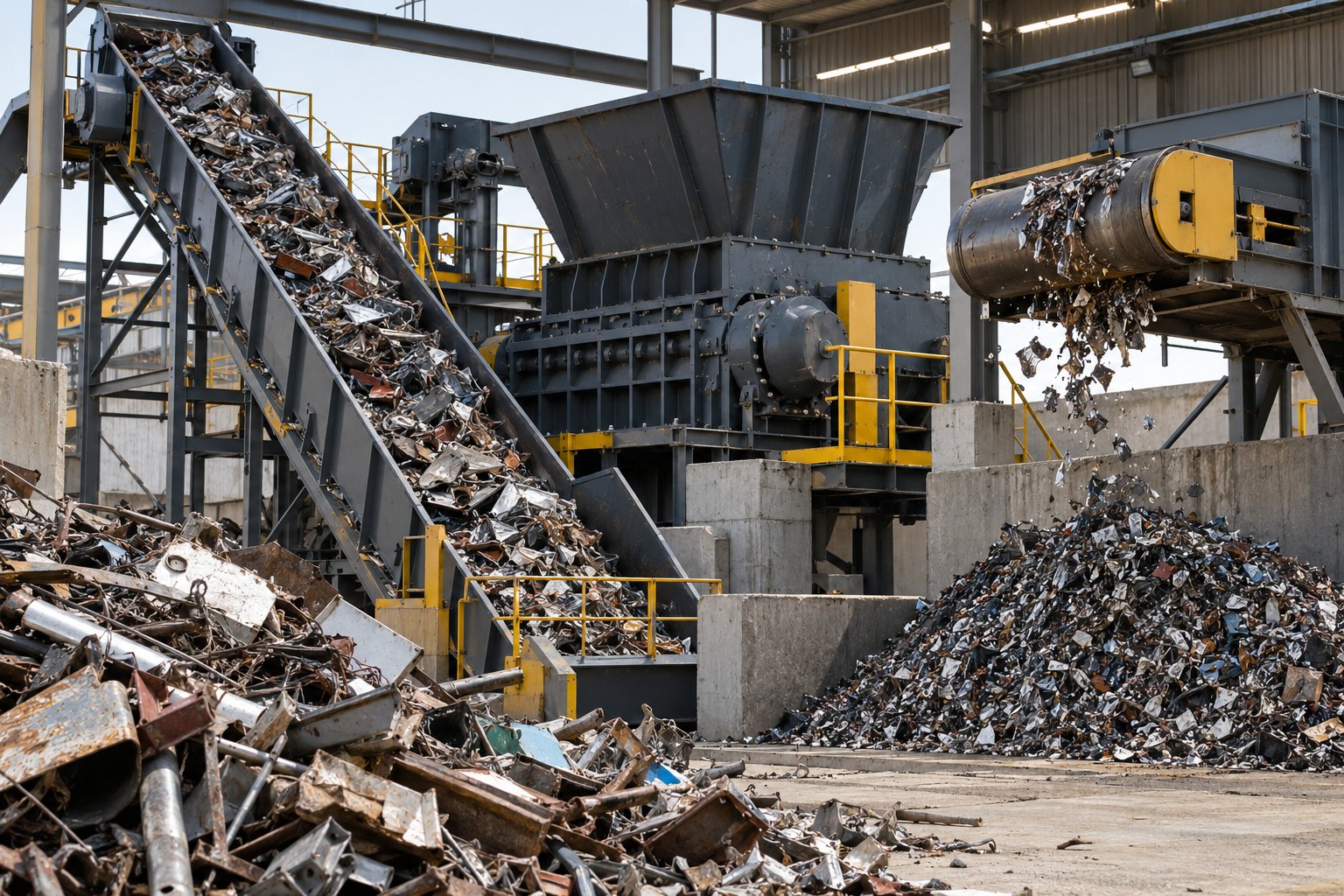
Larger operations handling mixed non-ferrous streams in volume often reduce loose material with a shredder or briquetter before transport, which changes how the load is presented and how it is handled. The TG-LightMetal 80 light-duty metal shredder, a dual-shaft unit rated at 2 x 15 kW, is built for thin sheet steel, aluminium, copper, brass, and cable. For turnings and chips, the TG-BriqPress 250 metal briquetting system presses steel, cast iron, aluminium, copper, and brass swarf into briquettes, reducing transport cost by a factor of five to ten and recovering cutting fluid during compaction.
Frequently asked questions
Does a higher tin content make bronze scrap worth more?
Tin content is part of what defines the alloy and how it is classified. It is one input into grading, not a standalone price formula, and its effect is read together with the rest of the alloy composition and the condition of the load.
Can I sell bronze with steel bolts still in it?
You can present it, but it will normally be treated as contaminated or mixed and priced below a clean load. Removing the steel before sale is the more valuable route.
Will my yard quote the same price for every bronze grade?
Not necessarily. Some yards apply one bronze rate, while others split it by grade and pay more for sorted, clean, solid material.
Is bronze scrap price the same everywhere?
No. It reflects alloy grade, purity, the current copper market, smelter demand, and the buying policy of the individual yard.
Should bronze and brass be stored together?
No. They are separate copper-based alloy categories, and mixing them causes the load to be reclassified at a lower grade.
If you process non-ferrous scrap regularly and want to know how your bronze stream should be prepared before it reaches a yard, send us the details of your material and volume. We can talk through sorting, contamination removal, and the size-reduction or briquetting step that fits your operation.