
What is #2 copper scrap price? It is the market value assigned to copper scrap that falls below the bare bright and #1 copper grades because it contains solder, paint, plating, oxidation, or attached fittings that reduce recovery. The price is not published as a single figure; it is set per load by scrap yards and smelters after inspection, based on the weight of recoverable copper and the cost to remove contamination.
Key takeaways:
- #2 copper is a grade, not a price. It is defined by contamination, not by a fixed deduction rate.
- Deductions are set at the yard and reflect the cost to separate solder, paint, plastic, and other non-copper material.
- Processing #2 material into clean, bare copper granules can move it toward a higher grade and change the pricing basis.
In this article
What Is #2 Copper Scrap?
#2 copper is the catch-all grade between #1 copper and low-grade mixed scrap. It is still metallic copper, but it carries enough contamination or oxidation that a buyer cannot treat it as clean, unalloyed wire. Common characteristics include:
- Solder and brazing alloys on pipe ends, joints, and fittings.
- Paint, lacquer, or heavy oxidation that cannot be removed by a simple wipe.
- Plating such as nickel or chrome that changes the surface chemistry.
- Corrosion products that reduce the effective metal yield.
- Attached non-copper material like plastic, rubber, or mixed metal fittings.
The key distinction from #1 copper is that #1 is clean, uncoated, unalloyed copper with no solder or paint. Bare bright copper goes a step further: it is shiny, unoxidized wire that is essentially pure copper after stripping. A yard sorting material by hand will pull #2 pieces aside because they need additional processing before they can be fed into a furnace or sold to a mill.
How Deductions Work
Deductions are the mechanism buyers use to account for contamination. They are not published as a universal percentage. In practice, a yard or smelter inspects the load, estimates the non-copper fraction, and either:
- Rejects the load if contamination is too high to process economically.
- Applies a weight deduction to account for solder, paint, plastic, and moisture.
- Reclassifies the material into a lower grade with a different pricing basis.
For a seller, the practical question is not what a published deduction rate is, but what a specific buyer will recognize as clean copper on that specific load. Two batches of #2 copper can receive different deductions depending on how much of the contamination is separable and how much remains attached.
Why the Gap to Bare Bright Exists
The value gap between #2 copper and bare bright is a processing-cost gap. Bare bright copper is already in a form that can be melted or sold with minimal preparation. #2 copper requires labor, energy, and equipment to remove solder, paint, insulation, and fittings before the copper can be used. That cost is deducted from the price the seller receives.
The gap widens when:
- Plastic or rubber insulation remains attached to the conductor.
- Solder or brazing alloy is mixed into the copper rather than sitting on the surface.
- The copper is oxidized to the point that surface cleaning is not enough.
- Fittings or connectors are made of brass or other alloys that need separation.
The gap narrows when the material can be processed into clean, sorted copper granules with low residual contamination. That is why yards and processors invest in stripping, shredding, and separation equipment.
How Processing Closes the Value Gap
Mechanical processing does not change the chemistry of copper, but it changes the form in which the copper is sold. Removing insulation, solder, and attached fittings at the source can move material from a #2 classification toward a #1 or bare bright basis.
Stripping and Granulating
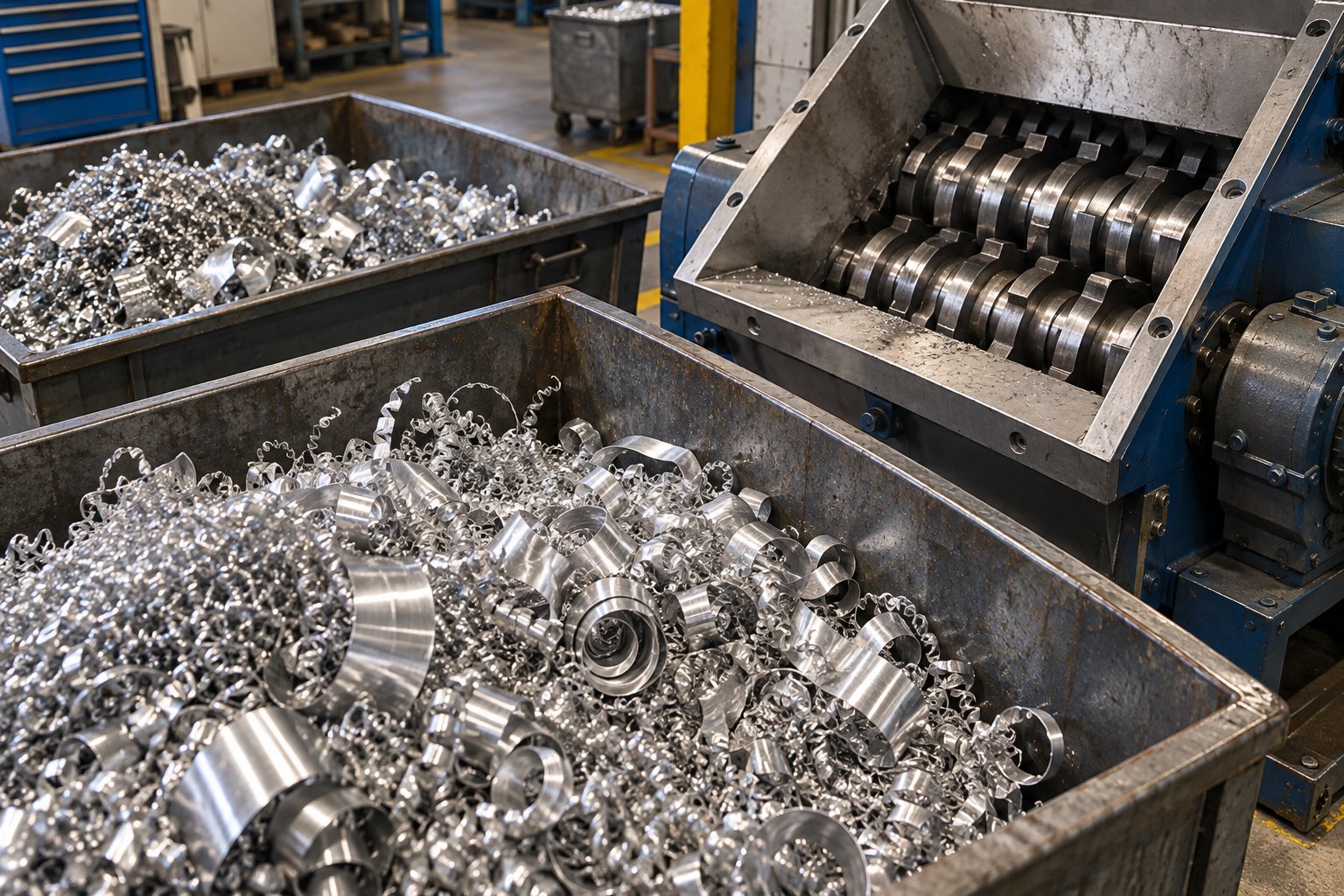
For insulated wire, a cable and wire recycling line can separate copper conductor from plastic and rubber insulation. The TG-CableLine 100 Cable and Wire Recycling Line uses a twin-shaft shredder, granulator, air separation, and vibration table to produce clean metal granules. The output is a concentrated copper stream rather than mixed cable, which makes grading and sampling more predictable.
Integrated Scrap Processing
For mixed scrap that includes copper, brass, and other metals, an integrated line can sort material before it reaches the copper buyer. The TG-ScrapLine 150 Integrated Scrap Processing System is a 15 t/h integrated line with CE certification. It is designed to handle mixed feed and produce separated output streams, which reduces the amount of hand sorting and manual grading required before sale.
What Processing Can and Cannot Do
| Processing step | What it removes | What it does not fix |
|---|---|---|
| Shredding and granulating | Insulation, plastic, rubber | Solder alloyed into the copper |
| Air separation and vibration table | Light non-metal fractions | Plating or heavy oxidation |
| Hand sorting before processing | Brass fittings, mixed metals | Corrosion that has penetrated the surface |
In short, processing improves the physical form and reduces non-copper content. It cannot turn copper that is chemically contaminated into bare bright. The best gain comes from matching the processing step to the type of contamination in the load.
FAQ
Is #2 copper price lower than #1 copper?
Yes, #2 copper is priced below #1 copper and bare bright because it requires more processing to remove contamination. The difference is not a fixed percentage; it depends on the buyer, the load, and the visible contamination.
Can #2 copper be upgraded to #1 copper?
Sometimes. If the contamination is separable, such as insulation on wire or attached brass fittings, stripping and sorting can produce clean copper that meets a higher grade. If the copper is alloyed with solder or heavily oxidized, the upgrade is limited.
What determines the deduction on a #2 copper load?
The buyer's inspection determines the deduction. Factors include the percentage of non-copper material, the cost to remove it, and the buyer's own processing capability. Asking a buyer how they grade and deduct before shipping is the most reliable way to understand the price you will receive.
Does processing equipment change the price I get?
Processing changes the form and purity of the material you offer, which can change the grade a buyer assigns. A cleaner, more consistent output is easier to sample and grade, but the final price still depends on the buyer and the market at the time of sale.
Next Step
If you are selling #2 copper or insulated cable, the most useful step is to understand what contamination is present and how much of it can be removed before sale. For operations that handle mixed wire and scrap, reviewing the TG-CableLine 100 or the TG-ScrapLine 150 can help clarify what output form is achievable and how that output is likely to be graded by a copper buyer.