Buyers searching for how much a metal shredder costs usually get the same non-answer: "it depends." That is true but useless. What actually helps is understanding which machine class your scrap profile belongs to, and which specifications move the number once you are inside that class. This article walks through the ladder — from light-duty single-shaft units to heavy twin-shaft machines — and then looks past the purchase price at the costs that keep showing up over years of operation.
Key takeaways
- Cost is set first by machine class, then by chamber size, drive power, cutter design and throughput.
- Two machines rated for similar output can still differ in automation level and downstream integration.
- Purchase price is one line item; wear parts, energy, downtime and spare-parts logistics decide the real cost of ownership.
- Tian Gong has manufactured shredders since 2008 in an ISO 9001 facility, with CE-marked machines and standard-model lead times under 45 days.
Why There Is No Single Price for a Metal Shredder
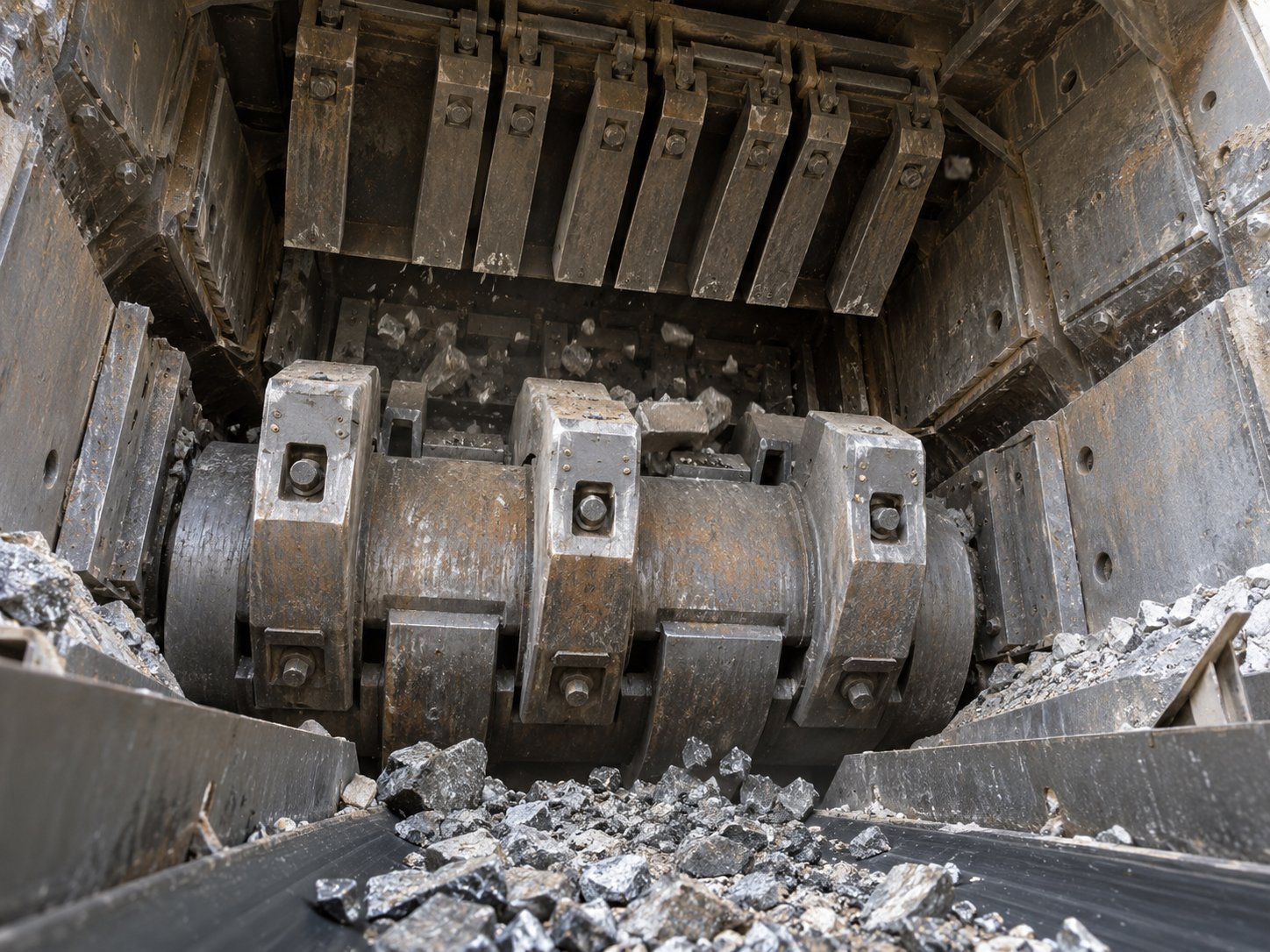
A shredder is not a catalog item with a fixed price tag. It is built around the material you intend to process, the throughput you need and the fragment size your downstream buyer or sorting line requires. Change any one of those, and the machine changes — chamber, shaft, drive, cutters and controls all move with it. That is why two buyers asking the same question can receive quotations that sit in different machine classes entirely.
The practical way to estimate a budget before requesting quotes is to fix your own inputs first: what scrap goes in (white goods, mixed light scrap, ELV bodies, aluminum profiles), how many tonnes per hour, and what comes out. Those three answers place you on the machine-class ladder below.
The Machine-Class Ladder
Machine class is the single biggest cost driver, because it determines how much steel, how much drive power and how much hydraulics the unit carries. The three tiers below reflect how Tian Gong structures its range.
Light-Duty Single-Shaft Class
The entry point for small yards and start-up recycling operations. A representative model is the TG-LightMetal 80 light-duty metal shredder. These machines handle light, thin-gauge material — sheet metal offcuts, small extrusions, packaging scrap — where the goal is volume reduction before transport or further processing. The cost driver here is simplicity: a single rotor, a modest drive package and a straightforward chamber. Buyers pay for cutting capability, not for the tonnage capacity of the larger tiers.
Mid-Range Twin-Shaft Class
This is where most commercial scrap operations land. The TG-TwinShred 300 twin-shaft metal shredder illustrates the class: twin 45 kW geared motors, an 800 x 600 mm shredding chamber, and a throughput of 3–6 t/h on light mixed scrap. It uses bolt-on alloy discs rather than a welded rotor, and includes PLC-controlled auto-reverse to clear jams without manual intervention. The machine is CE marked and built in an ISO 9001 facility.
The step up from light-duty shows in the cost structure. Twin shafts mean two rotors, two gearboxes and a more complex frame. Bolt-on discs mean the cutter assembly can be replaced piece by piece instead of re-cutting an entire rotor — a design decision that shifts cost from maintenance to the initial build. Auto-reverse adds control hardware and software. Each of these is a line in the quotation.
Heavy Twin-Shaft Class
At the top of the ladder, machines are sized for continuous, abrasive duty. The TG-MegaShred 1600 heavy twin-shaft metal shredder runs twin 400 kW drives through a 1,400 x 1,100 mm chamber and delivers 30–40 t/h on white goods. It features a hydraulic split chamber for access to the cutting assembly, is CE marked, and is built in the same ISO 9001 facility.
Everything that costs money on a shredder scales here: drive power roughly an order of magnitude above the mid-range, a chamber several times the volume, hydraulic systems strong enough to open and close the chamber under load, and foundations and feed equipment to match. This class is quoted against a specific duty and material mix, not from a general list.
| Class | Example model | Typical duty | What drives cost |
|---|---|---|---|
| Light-duty single-shaft | TG-LightMetal 80 | Volume reduction of thin scrap | Single rotor, modest drive, simple chamber |
| Mid-range twin-shaft | TG-TwinShred 300 | 3–6 t/h on light mixed scrap | Twin 45 kW geared motors, 800 x 600 mm chamber, bolt-on alloy discs, PLC auto-reverse |
| Heavy twin-shaft | TG-MegaShred 1600 | 30–40 t/h on white goods | Twin 400 kW drives, 1,400 x 1,100 mm chamber, hydraulic split chamber |
Price Drivers Inside a Machine Class
Once class is fixed, these are the specifications that separate one quote from another.
Chamber Size and Feed Opening
Chamber dimensions set the maximum input size and the dwell time of material under the cutters. A wider, deeper chamber takes bulkier infeed and generally reduces pre-cutting labour, but it costs more steel and requires more torque to keep the rotor loaded.
Drive Power and Transmission
Motor rating and the gearbox behind it are among the most visible cost items. Geared motor drives, as used on the TG-TwinShred 300, trade higher upfront cost for controlled torque delivery at low speed. Higher power also pulls higher electrical infrastructure costs on the buyer's side — cable sizing, protection and transformer capacity.
Cutter Configuration
Bolt-on alloy discs can be rotated and replaced individually; a welded rotor must be rebuilt or re-machined when the cutting edges wear. Bolt-on designs carry more machining and fastening cost at build time and less cost at every subsequent service interval. Which is cheaper depends on how long you intend to run the machine.
Throughput Class
Rated throughput on a stated material is the specification buyers compare most. It is also the one most affected by material mix — a machine rated 30–40 t/h on white goods will not deliver the same figure on dense, tangled material. Quotations should always state the material the rating refers to.
Automation and Controls
PLC control with auto-reverse, load monitoring and remote diagnostics adds electronics and programming to the bill. It reduces the labour and downtime associated with manual jam clearing, so the calculation is not as simple as hardware cost versus no hardware cost.
Options and Downstream Integration
Feed conveyors, discharge conveyors, magnetic separation, eddy-current units and dust or explosion-control equipment are frequently quoted separately. So is downstream integration — how the shredder output feeds a sorting line, baler or shipping container. Buyers budgeting a whole line rather than a single machine should ask early which items sit outside the shredder quotation.
Total Cost of Ownership: Where the Budget Really Goes
The purchase price is the most visible number and, over a machine's life, rarely the largest one. Five items deserve a place in any budget model.
- Wear parts. Cutters, discs, shaft seals and wear plates are consumables. Cost per tonne processed depends heavily on cutter design and on how abrasive your feedstock is.
- Energy. Drive power is proportional to running cost. A machine that is oversized for the duty runs inefficiently; one that is undersized runs at peak load constantly.
- Maintenance downtime. Access design matters. A hydraulic split chamber, for example, shortens the time needed to reach the cutting assembly, which reduces lost production hours.
- Spare parts logistics. How fast can cutters and seals reach your site? Standard wear items held in regional stock change the real cost of a breakdown.
- Lead time. Longer delivery means either idle capital or purchased interim capacity. Tian Gong quotes lead times under 45 days for standard models, which buyers can factor into commissioning plans.
How to Build a Budget Before You Request Quotes
Write down your feedstock, target tonnes per hour and required output size. Identify which class on the ladder matches, then list the specifications you cannot compromise on — chamber opening, drive power, cutter type, control level — and the ones you can. Ask each supplier to quote against that same list, and to state separately which items (conveyors, magnets, dust control, installation) sit outside the machine price. Comparing quotes built on the same inputs is the only way to see where cost is genuinely different and where scope simply differs.
Frequently Asked Questions
Can I get a shredder quotation without visiting the factory?
Yes. Suppliers need your material type, required throughput, infeed size and expected output size. Photos or video of your current feedstock help clarify material mix.
Does a CE mark affect the cost of a shredder?
Compliance engineering, guarding, controls and documentation are part of the build. Tian Gong machines such as the TG-TwinShred 300 and TG-MegaShred 1600 are CE marked and manufactured in an ISO 9001 facility, and those requirements are reflected in how the machines are specified and documented.
Should I buy a larger machine than I need today?
Only if your feedstock and volume are genuinely expected to grow. Oversizing raises purchase price, energy consumption and wear-part spend from day one. If future expansion is uncertain, ask the supplier how the class above compares on chamber and drive, and model the running cost difference.
If you know your material and target output, Tian Gong can map it onto the right machine class and quote the specification you actually need. Share your feedstock details and throughput target to start the comparison.