Home/Products/TG-BriqPress 250 Metal Briquetting System

wear-part-dossier · crusher shutdown file

TG-BriqPress 250 Metal Briquetting System

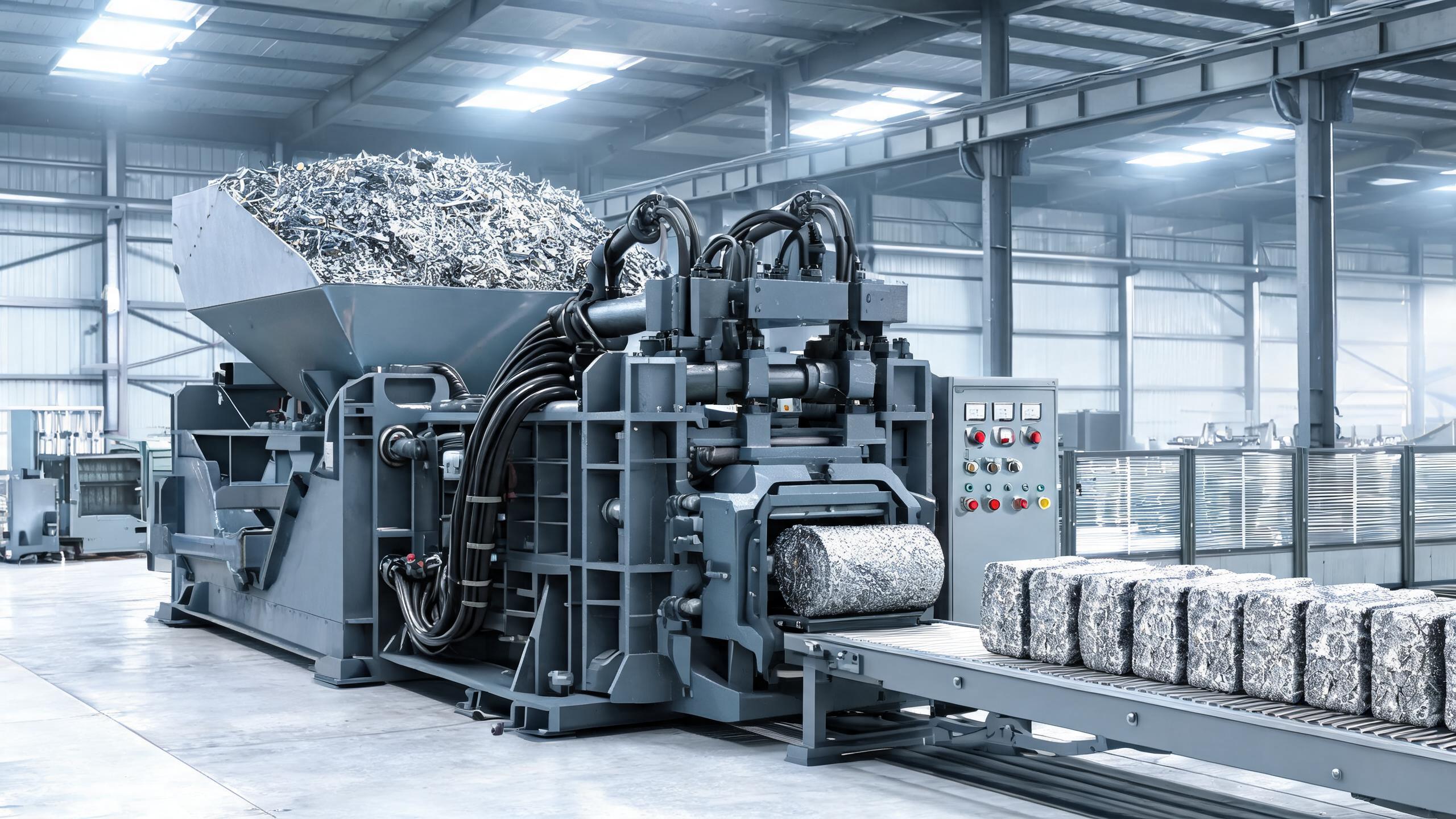
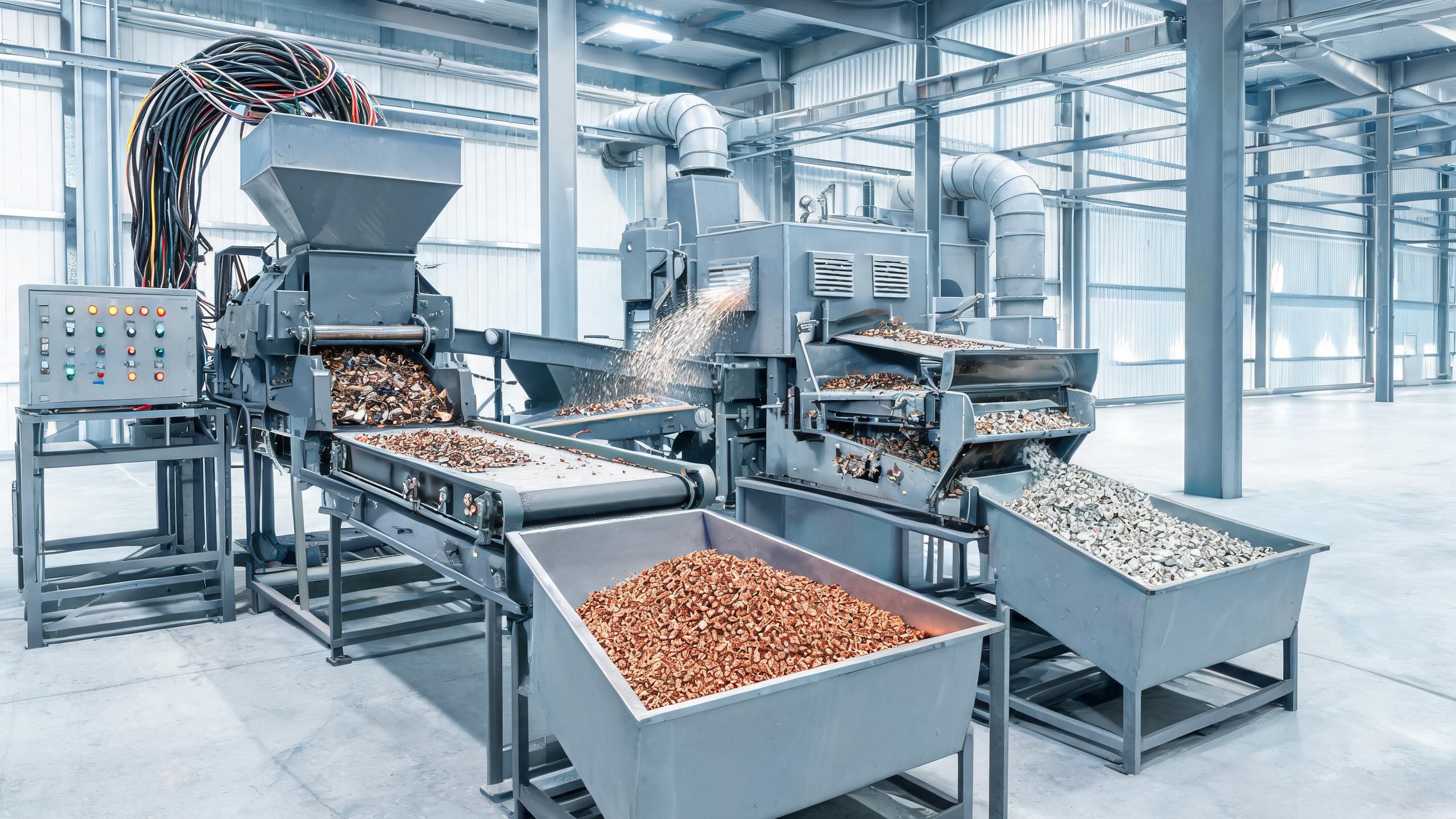
Standalone hydraulic briquetting system that compacts loose metal chips, turnings, and swarf into dense cylindrical briquettes. Handles steel, cast iron, aluminum, copper, and brass. Reduces transport costs 5-10x and recovers cutting fluid during compaction.

TG-BriqPress 250 Metal Briquetting System

Crusher model

per drawing

Alloy grade

per drawing

Feed size

per drawing

Deck aperture

per drawing

wear-life note

fitment proof

crate label

Hydraulic Compaction of Metal Chips, Turnings, and Swarf into Dense Briquettes

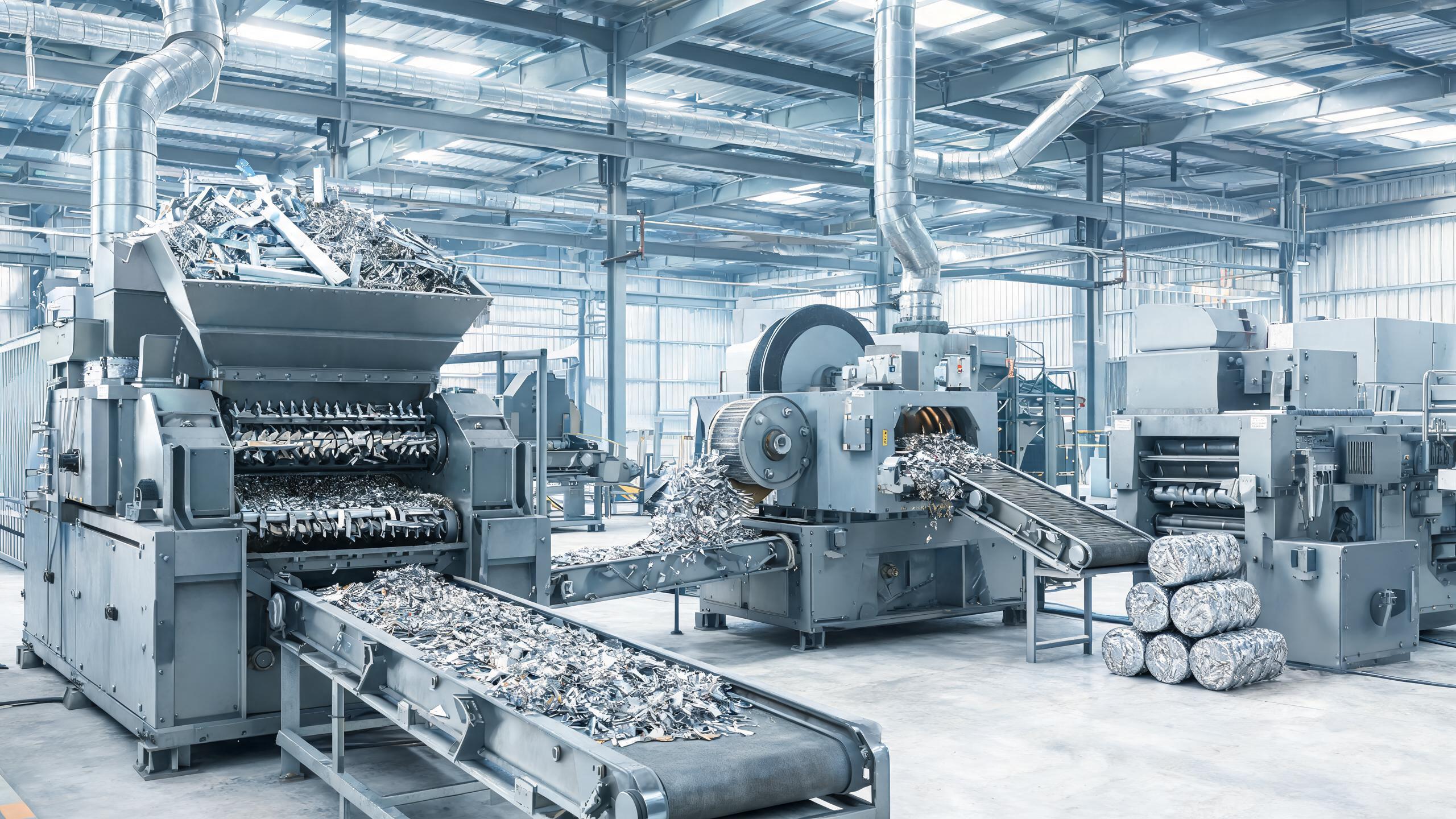
The TG-BriqPress 250 is a standalone metal briquetting system engineered for machining facilities, metalworking shops, and scrap processors who need to densify loose metal chips, turnings, and swarf into uniform cylindrical briquettes. Loose swarf from CNC machining, milling, and turning operations has extremely low bulk density, making transport expensive, storage inefficient, and furnace charging difficult. The briquetting press compacts this material under high hydraulic pressure, raising bulk density 5 to 10 times and producing briquettes that are easy to handle, transport, and charge into remelting furnaces.

The target buyer is a machining shop or metalworking facility generating ferrous or non-ferrous swarf, a scrap processor densifying loose chips for resale, or a foundry seeking furnace-ready charge material. The system handles steel, cast iron, aluminum, copper, and brass chips. It is not designed for solid metal billets, large castings, or material requiring size reduction before compaction; a shredder or crusher should be positioned upstream if feed material exceeds chip or turning size.

System Configuration

Compaction Method
Hydraulic Press
Output Form
Cylindrical Briquettes
Material Handling
Infeed Hopper + Discharge Conveyor
Control System
PLC with Auto Cycle
Coolant Management
Drain Point + Collection Interface
Power Supply
50 Hz / 60 Hz Configurable

How Hydraulic Briquetting Works

Loose metal chips are fed into the infeed hopper, where an auger or hydraulic ram conveys them into the compaction chamber. The main hydraulic cylinder applies high pressure, compressing the chips against a die that shapes the briquette. The briquette is ejected through the die opening onto a discharge conveyor. The cycle repeats automatically under PLC control, producing a continuous output of uniform briquettes.

The hydraulic system uses a dedicated power pack with oil reservoir, filtration, and cooling. Hydraulic pressure determines briquette density. Higher pressure produces denser, harder briquettes that resist breakage during handling and transport. The pressure is adjustable to match material type: aluminum chips compact at lower pressure than steel chips because aluminum is more ductile.

Why Briquetting Matters for Metal Scrap Economics

Loose metal chips from machining operations have a bulk density of 0.2 to 0.5 t/m3. This low density creates three problems for the waste generator:

  • Transport cost: Low-density chips mean air is being transported along with metal. Transporting loose chips to a foundry or recycler costs more per tonne of actual metal than transporting dense briquettes.
  • Storage footprint: Loose chips fill storage bins and yards quickly. Briquettes stack neatly and occupy 5 to 10 times less volume for the same metal weight.
  • Furnace charging efficiency: Loose chips oxidize rapidly in furnace charging and can be blown out of the furnace by combustion air. Briquettes stay in the furnace and melt more efficiently, reducing metal loss.

Briquetting also recovers cutting fluid. During compaction, residual coolant and cutting fluid are squeezed from the chips and can be collected through the drain point. For facilities that recover and recycle cutting fluid, this recovered fluid can be filtered and returned to the machining process, reducing fluid purchase and disposal costs.

Material Compatibility

The TG-BriqPress 250 handles:

  • Steel and cast iron chips, turnings, and borings from machining operations
  • Aluminum chips and turnings from CNC machining and milling
  • Copper and brass turnings from machining and fabrication
  • Mixed metal chips where material type is consistent within a batch
  • Pre-shredded metal scrap that has been reduced to chip or small fragment size

The press is not designed for solid metal billets, large castings, thick-walled pipe sections, or any material that has not been reduced to chip or turning size. If your feed material includes larger pieces, position a shredder or crusher upstream of the briquetting press.

Material must be free of tramp ferrous contamination if processing non-ferrous chips for foundry charging. A magnetic separator upstream of the briquetting press is recommended if the feed stream may contain ferrous contaminants from mixed machining operations.

Product Advantages

  • Bulk density increase: Compacts loose chips to 5-10x density, reducing transport cost per tonne and storage footprint
  • Coolant recovery: Squeezes residual cutting fluid from chips during compaction, with drain point for fluid collection and recycling
  • Furnace-ready output: Dense briquettes resist oxidation during furnace charging and stay in the melt, reducing metal loss compared to loose chips
  • Automatic operation: PLC-controlled auto-cycle allows continuous unattended operation with consistent briquette quality
  • Material flexibility: Adjustable hydraulic pressure accommodates steel, cast iron, aluminum, copper, and brass chips without equipment changeover

Application Scenarios

  • CNC machining centers generating steel, aluminum, or brass swarf
  • Foundries and remelting facilities preparing furnace charge material
  • Scrap metal processors densifying loose chips for resale to foundries
  • Metalworking shops with multiple machining operations producing mixed metal chips
  • Manufacturing facilities seeking to reduce waste transport and storage costs

Compliance and Certification

The machine frame and guarding carry CE marking per the Machinery Directive. The manufacturing facility operates under ISO 9001 quality management. UL-listed control panel configuration is available for North American buyers on request. Hydraulic system includes pressure relief valve and emergency stop circuits per safety standards.

Buyer FAQ

What materials can the briquetting press handle?
The press handles steel, cast iron, aluminum, copper, and brass chips, turnings, and borings. Material must be in chip or turning form, not solid pieces. If your feed includes larger material, a shredder or crusher should be positioned upstream. Hydraulic pressure is adjustable to match material type and desired briquette density.
How much does briquetting reduce transport costs?
Briquetting raises bulk density from approximately 0.2-0.5 t/m3 for loose chips to 2.0-5.0 t/m3 for briquettes, depending on material and compaction pressure. This 5-10x density increase means more metal per truckload or container, directly reducing transport cost per tonne of metal.
Can the press recover cutting fluid from wet chips?
Yes. During compaction, residual cutting fluid and coolant are squeezed from the chips. The press includes a drain point for fluid collection. If your facility recovers cutting fluid, the drained fluid can be filtered and returned to the machining process. Confirm your coolant type at inquiry so the drainage configuration is correctly specified.
Does the press need a shredder upstream?
Only if your feed material is larger than chip or turning size. The press is designed for loose chips and swarf. If your material includes solid pieces, sheet offcuts, or large turnings, a shredder should be positioned upstream to reduce the material to chip size before briquetting. Discuss your feed material characteristics with our engineering team.
Is CE documentation included?
Yes. The machine ships with the technical construction file, Declaration of Conformity, wiring diagrams, and an English operation and maintenance manual. UL-listed panel configuration is available on request for North American installations.

Request a Detailed Proposal

To prepare an accurate quotation, include your typical metal chip type (steel, aluminum, copper, brass, or mixed), estimated daily volume, moisture/coolant content, target briquette density or size, site power supply (50 Hz or 60 Hz), and whether you need a shredder upstream or coolant recovery integration. Mention any specific certification requirements for your region.

Request product details
Send the crusher model, feed size and shutdown date.

[email protected]

+862423424234

Product Inquiry: TG-BriqPress 250 Metal Briquetting System