From Depolluted Vehicle Hulks to Sorted Metal Fractions in One Pass
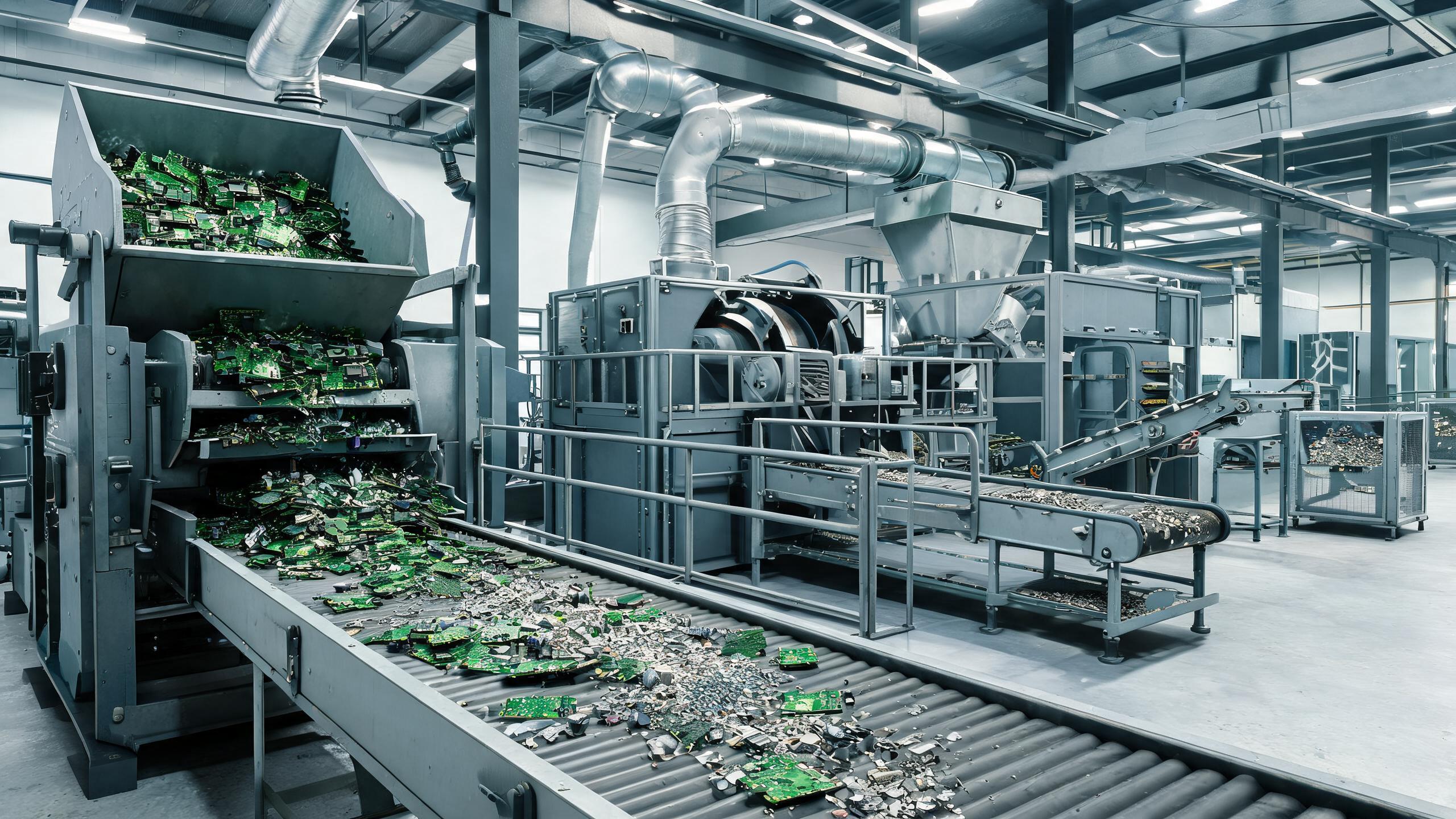
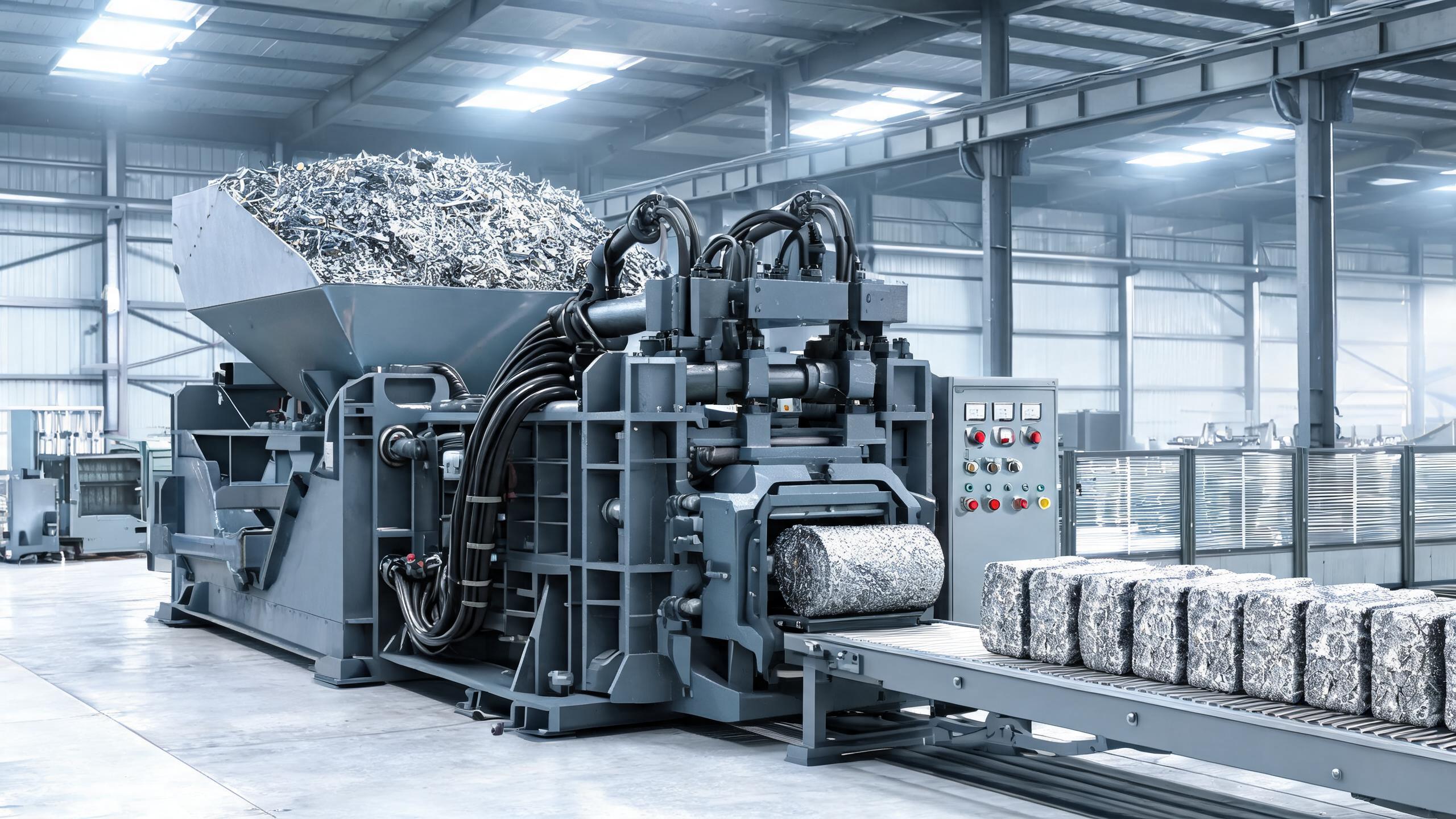
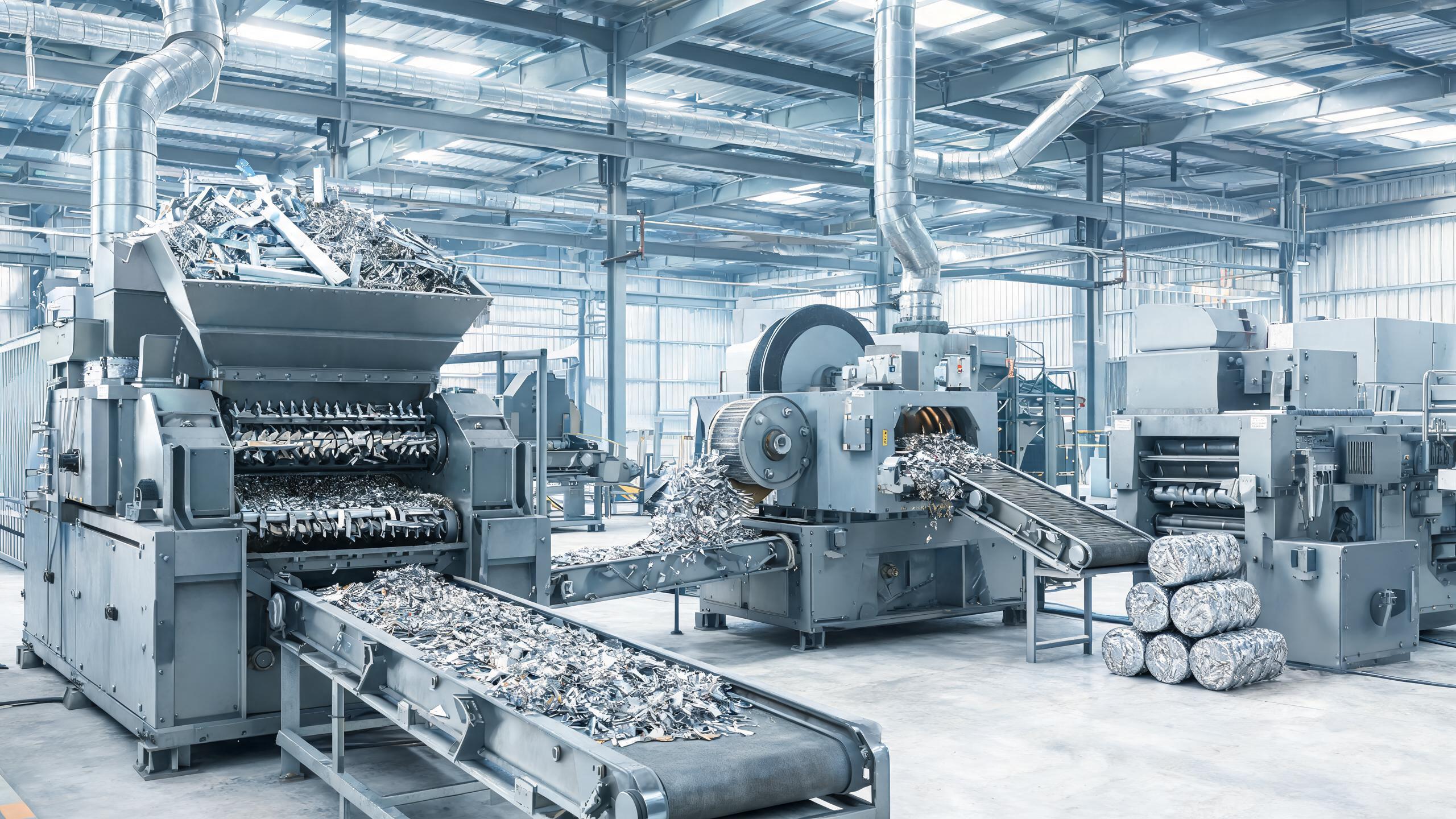
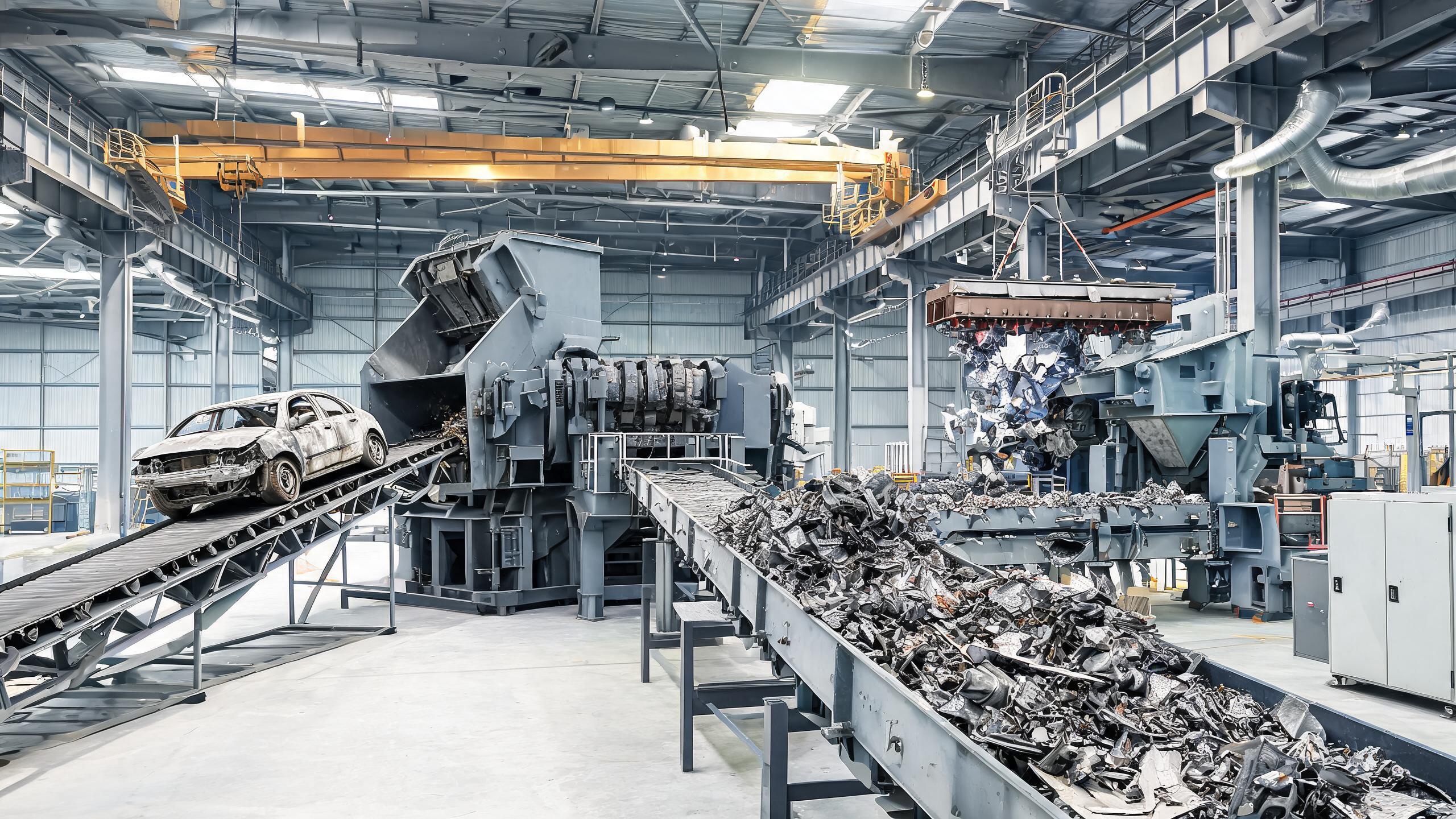
The TG-ELVLine 300 is an integrated end-of-life vehicle shredding and recycling line for auto dismantlers and metals recyclers who need to process complete vehicle hulks into sorted ferrous, non-ferrous, and residual fractions in a continuous single-pass operation. The buyer receives a pre-engineered line with matched stage capacities, a unified PLC control system, and a single commissioning timeline-eliminating the integration burden of sourcing shredder, conveyor, magnetic separator, and non-ferrous recovery units from separate suppliers.
The target buyer processes 30 to 100 vehicle hulks per day. Vehicles must be depolluted (fluids drained, batteries removed, airbags deployed or removed) before feeding, per standard ELV directive requirements. The line accepts stripped vehicle bodies including engine blocks, transmissions, and mixed auto scrap. It is not designed for vehicles with intact fuel tanks or un-deployed airbags.
All vehicles must be depolluted before feeding: engine oil, transmission fluid, brake fluid, coolant, and fuel drained; battery removed; airbags deployed or removed; tires, gas tanks, and mercury switches removed. The shredder reduces mechanical size but does not neutralize chemical or fire hazards. Vehicles with intact fuel tanks or un-deployed airbags must not be fed.
Five Processing Stages
Hammer Mill Primary Shredder
High-inertia rotor with manganese steel hammers reduces vehicle bodies and mixed auto scrap to fist-sized fragments. Hydraulic feed ram maintains engagement with irregular auto hulks.
Vibratory Discharge Conveyor
Transports shredded fragments to separation stages. Screen deck removes oversized pieces and returns them for a second pass.
Overband Magnetic Separator
Suspended magnet pulls ferrous steel fragments (70-75% of vehicle body weight) from the shred stream. Discharges to stockpile or baling press.
Eddy Current Separator
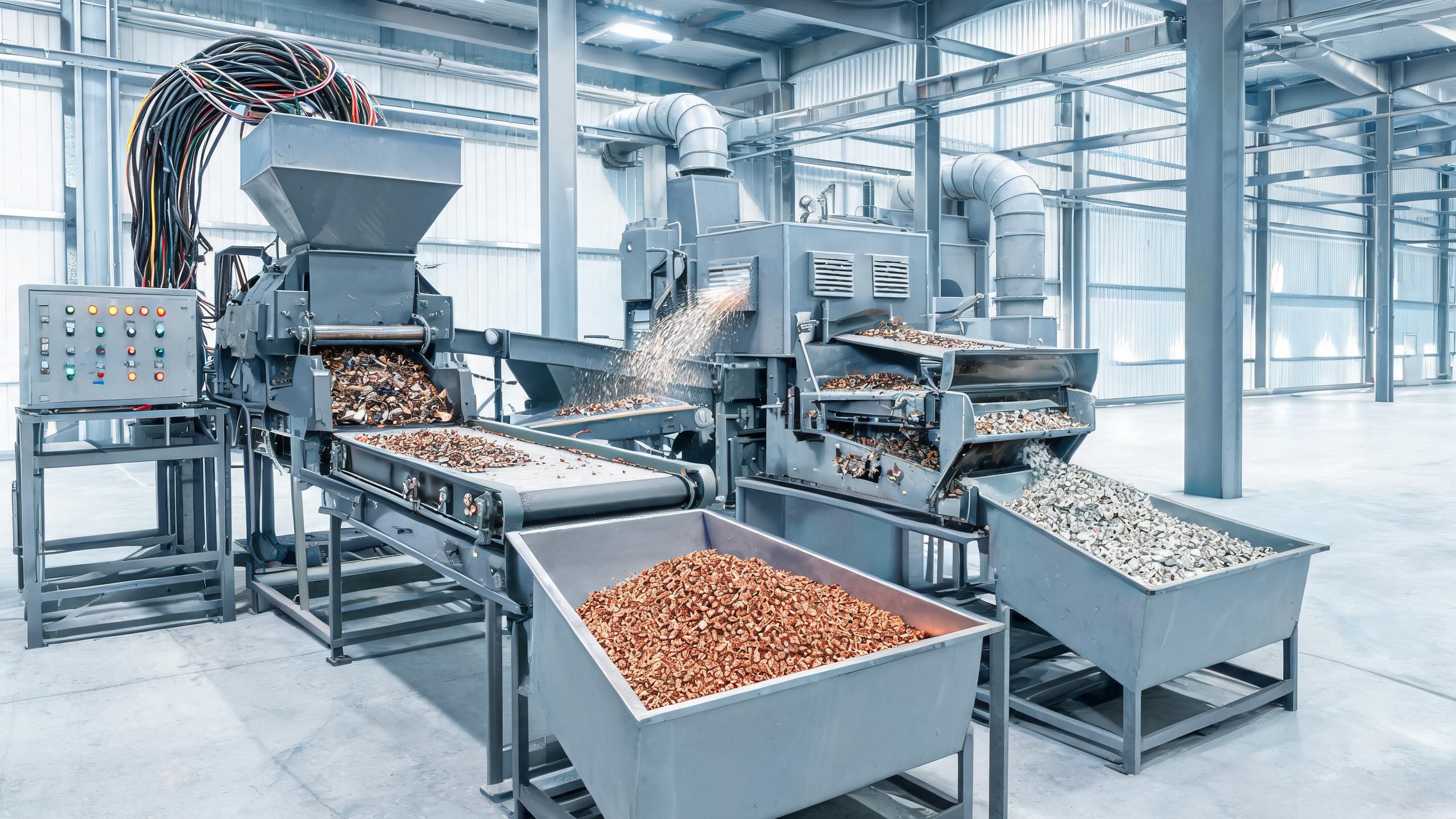
Rotating magnetic field repels conductive non-ferrous metals (aluminum, copper, brass) from the residual stream. Non-ferrous fraction collected separately.
Air Classification and Residue Discharge
Light fraction (foam, textile, rubber, plastic) separated from heavy non-metallic residue. ASR discharged for disposal per local regulations.
System Configuration
| Stage | Equipment |
|---|---|
| Primary Reduction | Hammer mill, hydraulic feed |
| Ferrous Recovery | Overband magnetic separator |
| Non-Ferrous Recovery | Eddy current separator |
| Residue Management | Air classification |
| Control System | Unified PLC with stage interlocks |
| Power Supply | 50 Hz / 60 Hz configurable |
The PLC manages stage sequencing and interlocks across the entire line. If the eddy current separator pauses, upstream feeding automatically stops-preventing material spillage and belt fouling.
What Each Stage Recovers
Ferrous steel typically represents 70-75% of vehicle body weight and is the primary revenue fraction, recovered by the overband magnetic separator. Non-ferrous metals from ELV feed include aluminum (body panels, engine components, transmission housings) and copper (wiring harnesses, alternators, motors), recovered by the eddy current separator. The remaining ASR (auto shredder residue) contains foam, textile, rubber, glass, plastic, and dirt-disposal or further processing requirements vary by jurisdiction.
Engineering and Support
Our engineering team configures hammer mill power, separator width, and conveyor length to match each buyer's daily vehicle processing volume. The line ships with installation supervision, operator training, and a 12-month warranty. Each machine includes a spare-parts kit; standard lead time for replacement wear parts is under 45 days. The manufacturing facility operates under ISO 9001 quality management.
Frequently Asked Questions
Request a Detailed Proposal
To prepare an accurate quotation, include your typical daily vehicle processing volume, feed material composition (auto hulks, mixed auto scrap, or mixed with other scrap types), site power supply (voltage and frequency, 50 Hz or 60 Hz), available floor space and layout constraints, and whether you need the line configured for a specific ASR disposal or recovery process. Mention any local ELV directive compliance requirements.
Request product details