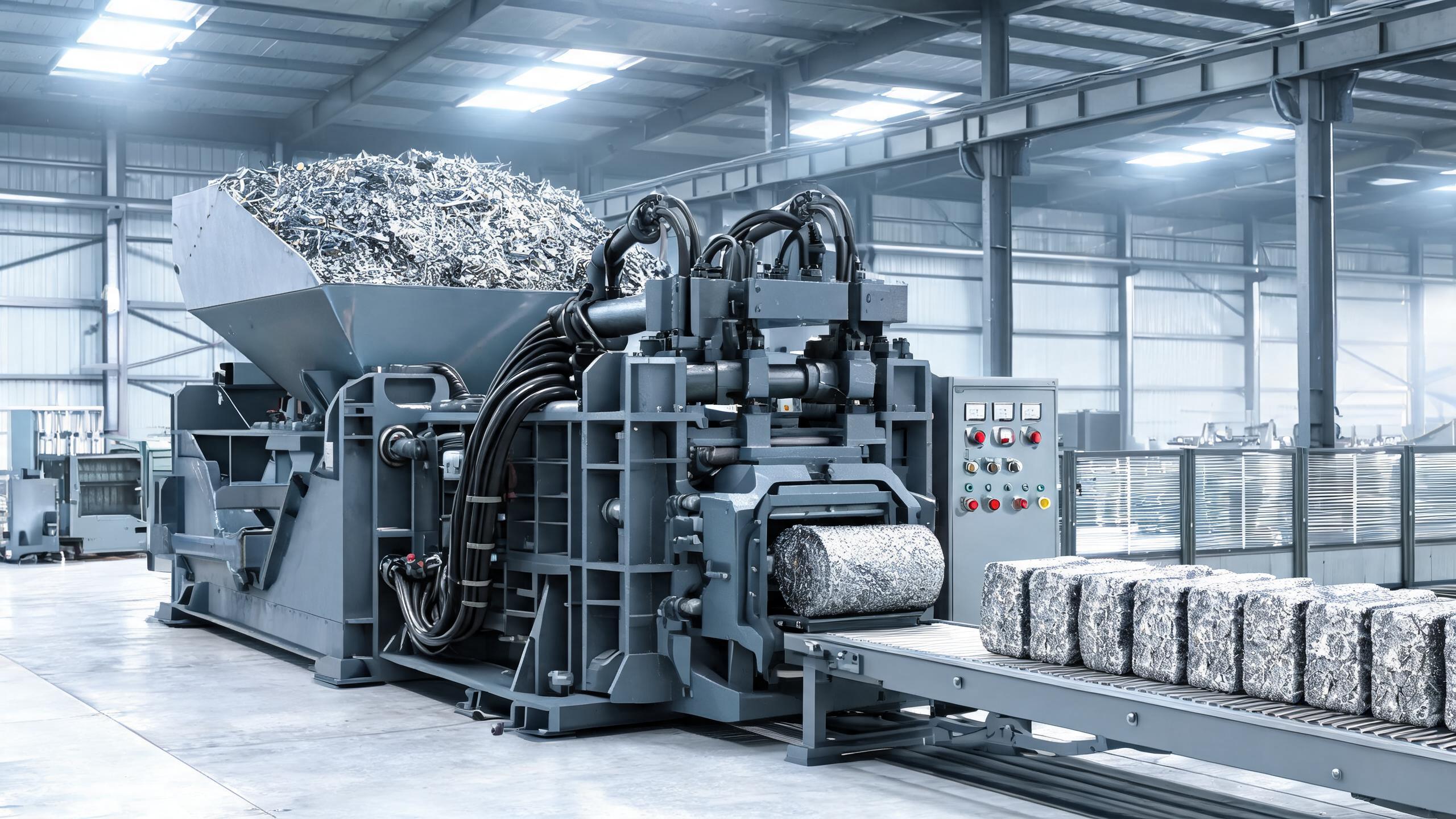
Ubah Cip Longgar menjadi Briket Padat Sedia Relau
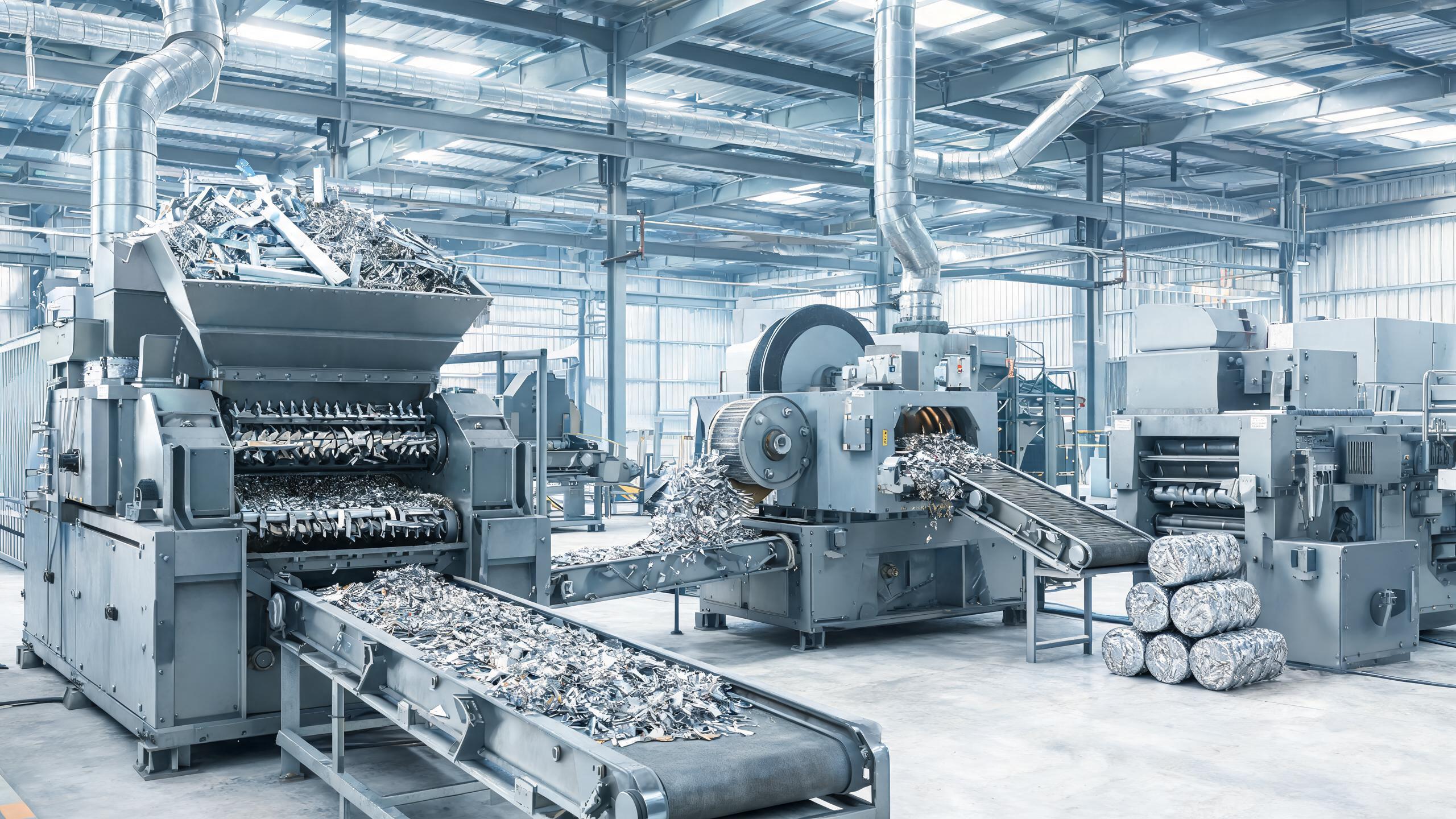
TG-BriqPress 250 ialah sistem pembriketan hidraulik kendiri untuk kemudahan pemesinan dan pemproses sekerap yang perlu memekatkan cip logam longgar, pencukur, dan sisa menjadi briket silinder seragam. Sisa longgar mempunyai ketumpatan pukal 0.2–0.5 t/m³—menjadikan pengangkutan mahal, penyimpanan tidak cekap, dan pengisian relau sukar. Penekan memadatkan bahan ini di bawah tekanan hidraulik tinggi, meningkatkan ketumpatan pukal 5 hingga 10 kali dan menghasilkan briket yang mudah dikendalikan, diangkut, dan diisi ke dalam relau peleburan semula.
Sistem ini mengendalikan cip keluli, besi tuang, aluminium, tembaga, dan loyang. Ia tidak direka untuk bilet pepejal, tuangan besar, atau bahan yang memerlukan pengurangan saiz sebelum pemadatan—pencincang atau penghancur harus diletakkan di huluan jika suapan melebihi saiz cip atau pencukur.
Spesifikasi
| Parameter | Nilai |
|---|---|
| Kaedah Pemadatan | Penekan hidraulik |
| Bentuk Keluaran | Briket silinder |
| Pengendalian Bahan | Corong suapan + penghantar pelepasan |
| Sistem Kawalan | PLC dengan kitaran automatik |
| Pengurusan Penyejuk | Titik saliran + antara muka pengumpulan |
| Bekalan Kuasa | Boleh dikonfigurasi 50 Hz / 60 Hz |
| Keserasian Bahan | Cip keluli, besi tuang, aluminium, tembaga, loyang |
Bagaimana Briket Hidraulik Berfungsi
Cip logam longgar disuap ke dalam corong suapan, di mana gerimit atau pelocok hidraulik membawanya ke dalam ruang pemadatan. Silinder hidraulik utama menggunakan tekanan tinggi, memampatkan cip terhadap acuan yang membentuk briket. Briket dikeluarkan melalui bukaan acuan ke atas penghantar pelepasan. Kitaran berulang secara automatik di bawah kawalan PLC.
Tekanan hidraulik menentukan ketumpatan briket—tekanan lebih tinggi menghasilkan briket lebih padat dan lebih keras yang tahan pecah semasa pengendalian. Tekanan boleh laras untuk dipadankan dengan jenis bahan: cip aluminium memadat pada tekanan lebih rendah daripada keluli kerana aluminium lebih mulur.
Mengapa Pembriketan Penting untuk Ekonomi Sekerap
- Kos pengangkutan: Cip berketumpatan rendah bermakna udara diangkut bersama logam. Briket membawa 5–10x lebih logam setiap unit isipadu.
- Jejak penyimpanan: Briket disusun kemas dan menempati 5–10x kurang isipadu daripada cip longgar untuk berat logam yang sama.
- Pengisian relau: Cip longgar mengoksida dengan cepat dan boleh diterbangkan oleh udara pembakaran. Briket kekal dalam relau dan mencair dengan lebih cekap, mengurangkan kehilangan logam.
- Pemulihan penyejuk: Cecair pemotongan sisa diperah keluar semasa pemadatan dan boleh dikumpul melalui titik saliran untuk kitar semula.
Keserasian Bahan
| Boleh Diproses | Tidak Boleh Diproses |
|---|---|
| Cip keluli dan besi tuang, pencukur, gerudi | Bilet logam pepejal |
| Cip dan pencukur aluminium | Tuangan besar |
| Pencukur tembaga dan loyang | Bahagian paip berdinding tebal |
| Cip logam campuran (konsisten dalam kelompok) | Bahan tidak dikurangkan kepada saiz cip |
| Sekerap logam pra-cincang pada saiz cip |
Bahan mestilah bebas daripada ferus sesat jika memproses cip bukan ferus untuk pengisian faundri. Pengasing magnet di huluan disyorkan jika suapan mungkin mengandungi bahan cemar ferus daripada pemesinan campuran.
Pemacu dan Kawalan
Sistem hidraulik menggunakan pek kuasa khusus dengan takungan minyak, penapisan, dan penyejukan. Kitaran automatik terkawal PLC membolehkan operasi berterusan tanpa pengawasan dengan kualiti briket yang konsisten. Sistem hidraulik termasuk injap pelega tekanan dan litar henti kecemasan mengikut piawaian keselamatan.
Alat Ganti dan Sokongan
Komponen acuan ganti, pengedap hidraulik, dan bahagian gerimit tersedia sebagai penggantian individu. Pasukan kejuruteraan kami boleh mengonfigurasi tekanan pemadatan dan dimensi acuan untuk dipadankan dengan jenis bahan tertentu. Setiap mesin dihantar dengan kit alat ganti; tempoh pengeluaran standard untuk alat ganti haus adalah di bawah 45 hari. Penyeliaan pemasangan, latihan pengendali, dan waranti 12 bulan disertakan.
Soalan Lazim
Minta Cadangan Terperinci
Untuk menyediakan sebut harga yang tepat, sertakan jenis cip logam biasa anda (keluli, aluminium, tembaga, loyang, atau campuran), anggaran isipadu harian, kandungan lembapan/penyejuk, ketumpatan atau saiz briket sasaran, bekalan kuasa tapak (50 Hz atau 60 Hz), dan sama ada anda memerlukan pencincang di hulu atau integrasi pemulihan penyejuk. Nyatakan sebarang keperluan pensijilan khusus untuk rantau anda.
Minta butiran produk