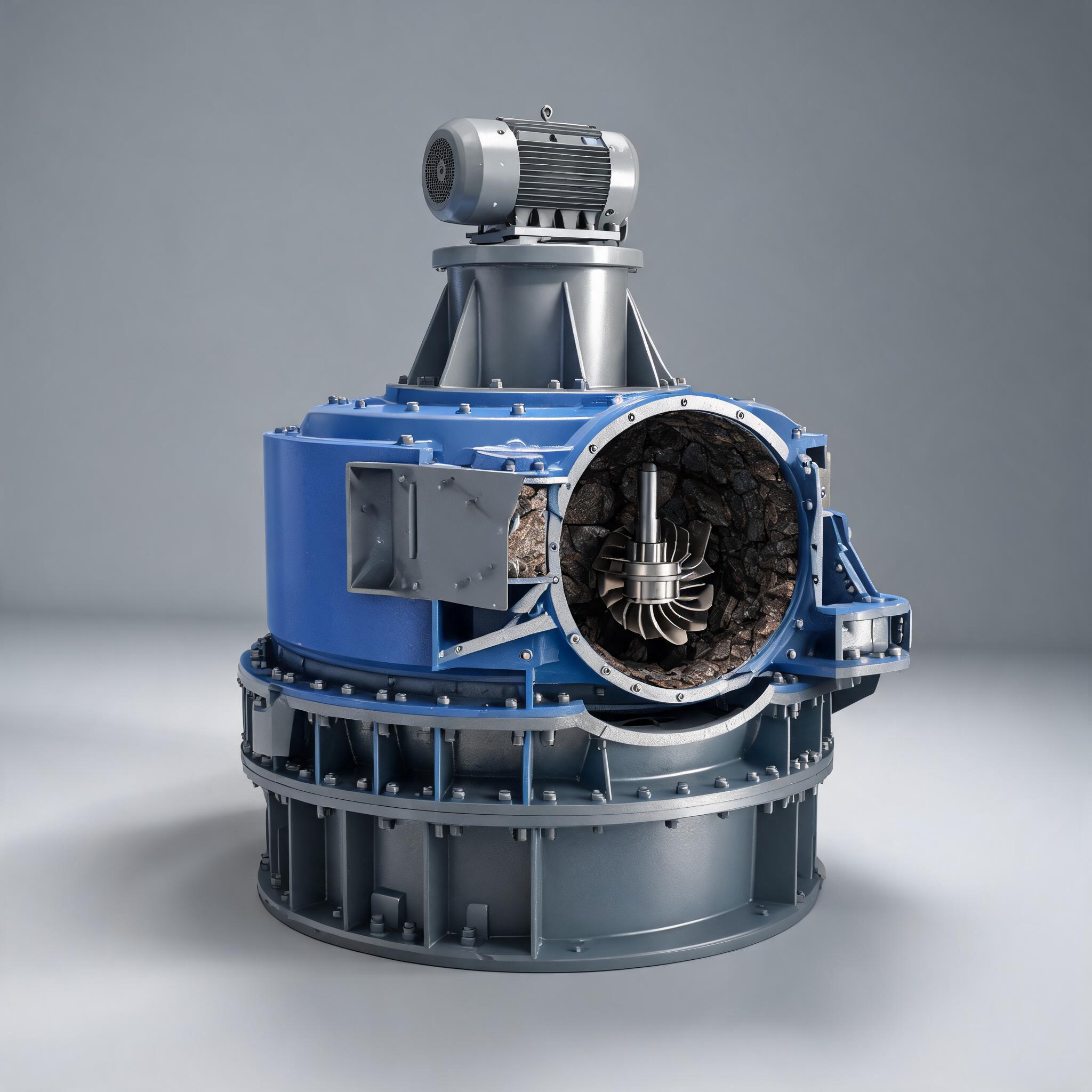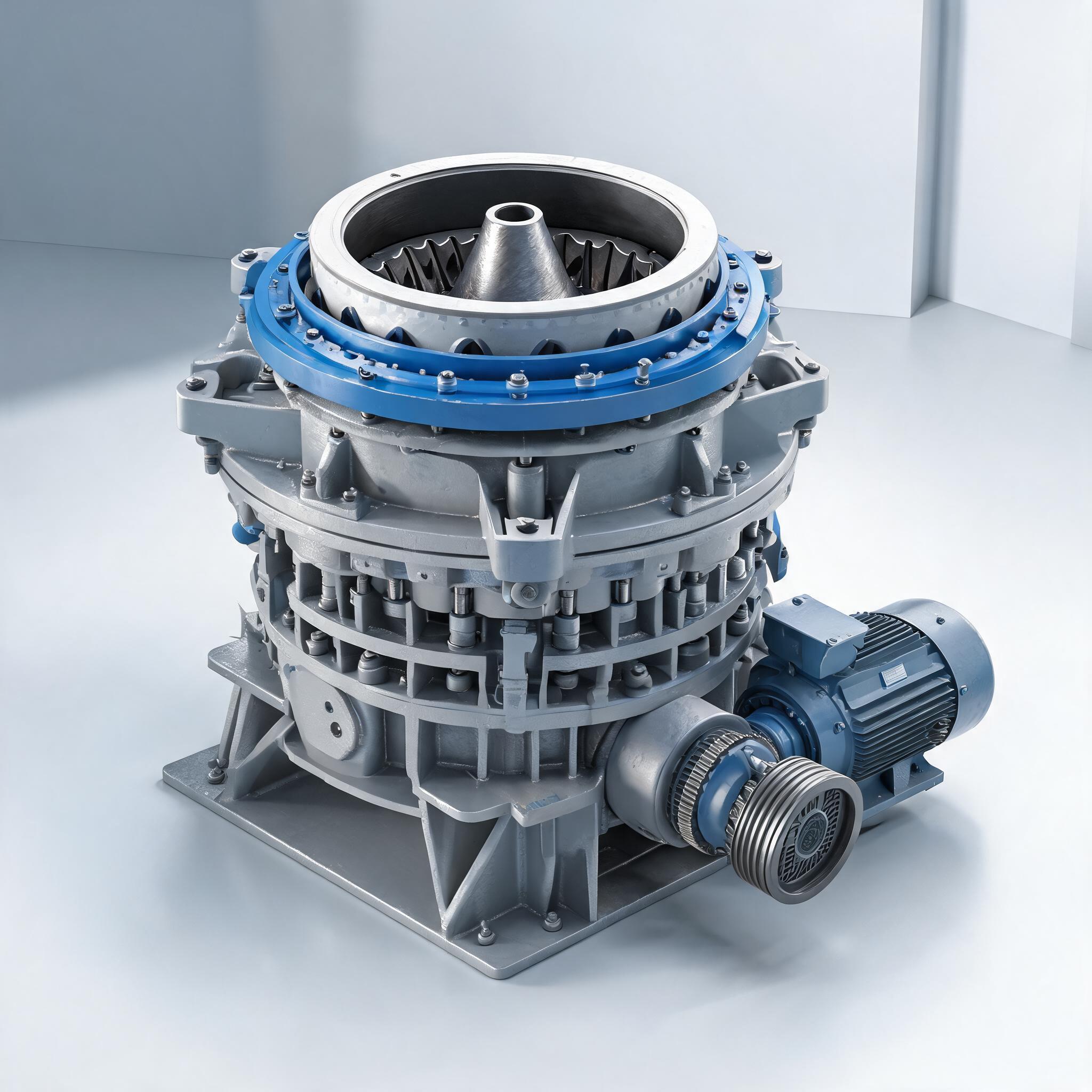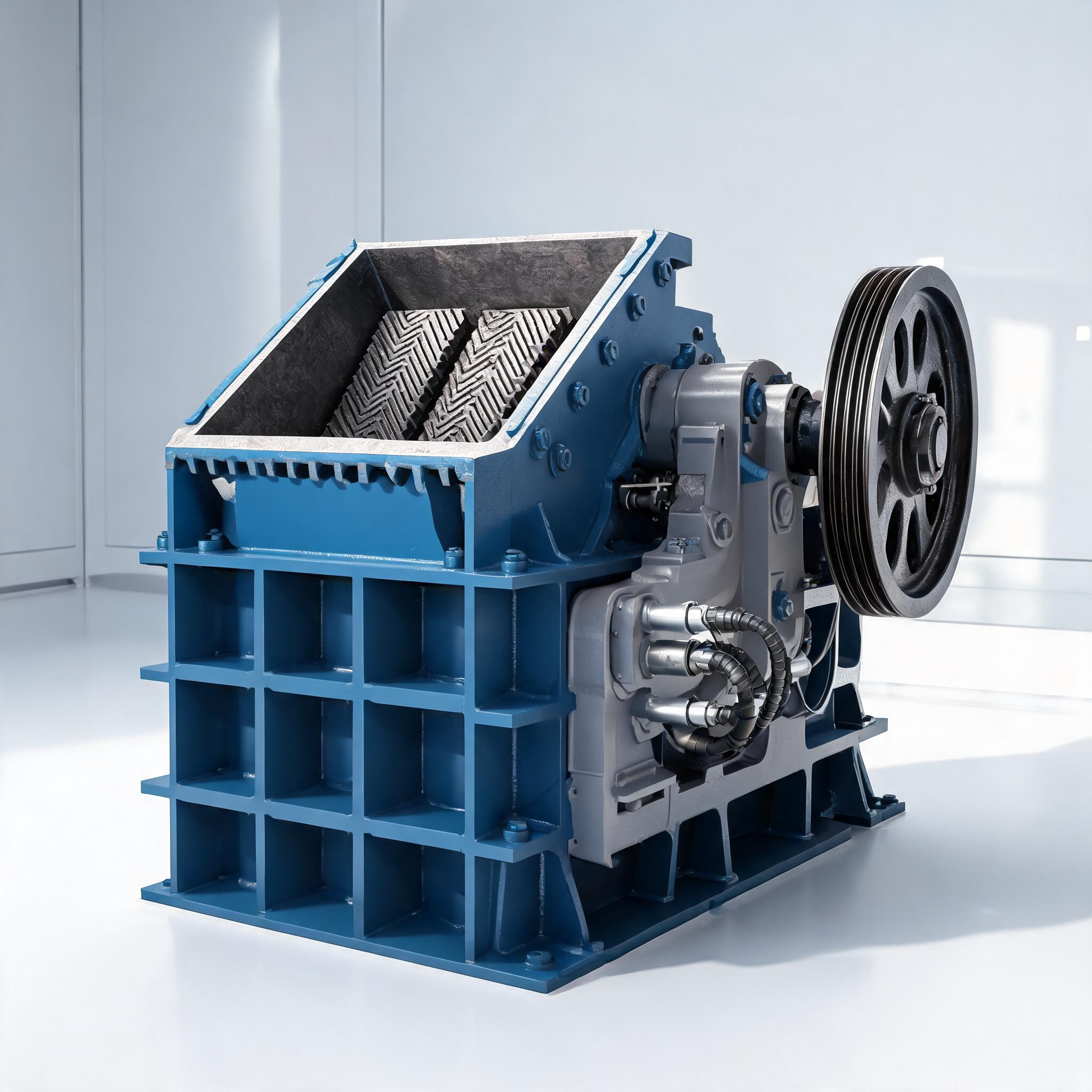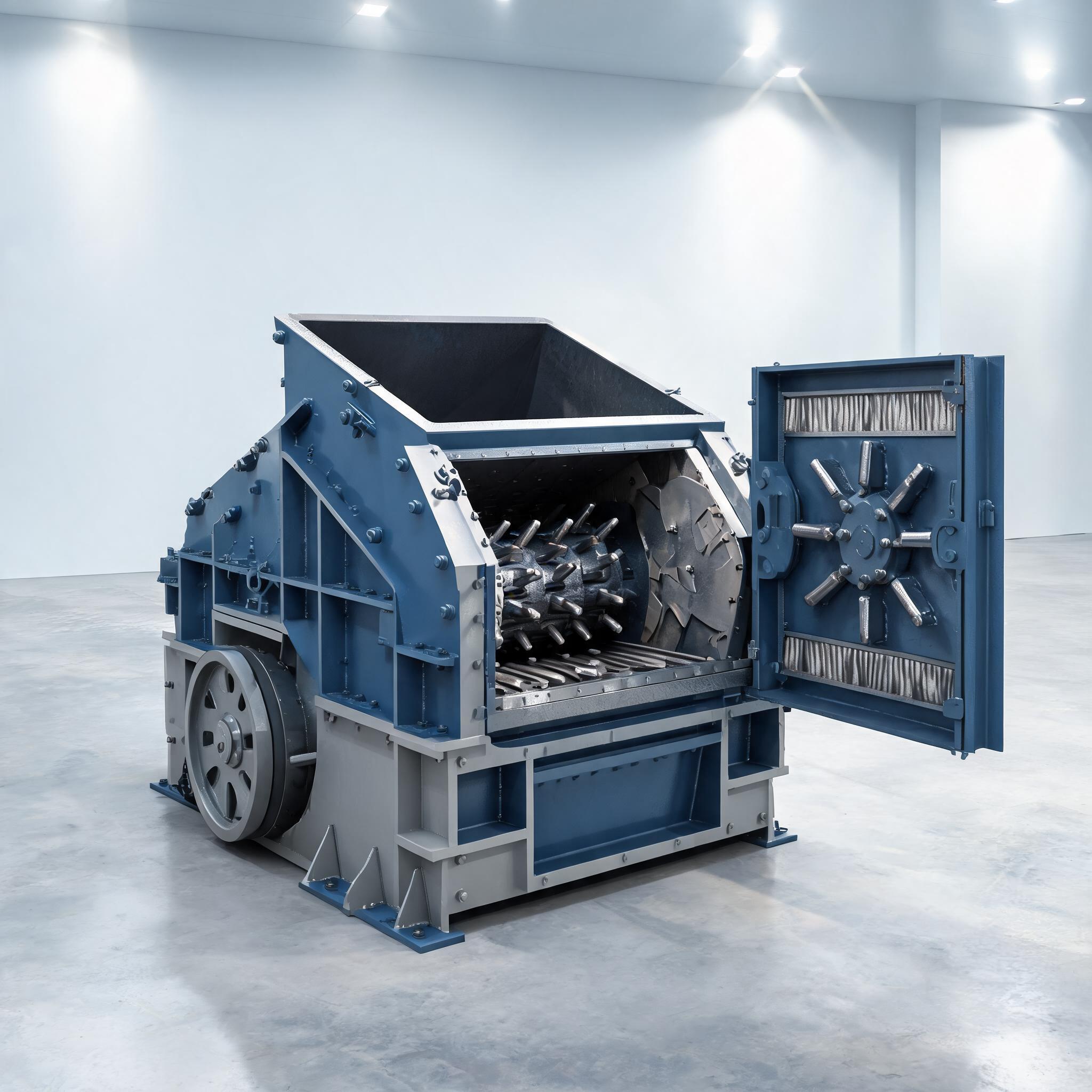
Overview
The TG-Hammer 800 is built for scrap yards and metal recyclers in Europe and North America that need to reduce dense ferrous scrap, automobile bodies, light gauge steel and mixed metal waste to uniform fragment size in a single pass. A 750 kW main motor drives the rotor assembly, and a 500-ton hydraulic compression system keeps feed material engaged with the hammers during cutting. The machine frame carries CE marking for installation in European facilities, and the electrical system is configured for standard industrial supply voltages at 50 Hz.
Key Specifications
The throughput range reflects feedstock variation. Light sheet steel and tin plate run closer to 60 t/h, while denser inputs such as bundled structural sections or engine blocks sit toward the lower end because each cycle takes longer to complete fragmentation. Buyers comparing models should confirm expected capacity against their own typical feed mix rather than the top-end figure alone.
Crushing Mechanism and Hydraulic Feed
The rotor carries manganese steel hammers arranged on a high-inertia shaft. Material enters the feed hopper and meets the hydraulic compression ram, which applies up to 500 tons of force to push stock into the hammer path. This ram action matters when processing bulky or irregular items such as car bodies, washing machines and steel drums: gravity-fed machines often let light scrap bounce or bridge at the rotor mouth, whereas the hydraulic ram maintains consistent engagement and reduces empty-cycle time.
Hammer tip speed and grate opening together determine the output fragment size. The grates are replaceable and available in different slot configurations, so a yard can switch between a coarse output for foundry charge and a finer fragment for steel mill re-melting without changing the main rotor.
What the 750 kW Motor Governs
Motor power on a hammer crusher directly sets the ceiling on feed hardness and throughput the machine can sustain without stalling. At 750 kW, the TG-Hammer 800 sits in the heavy-duty band suitable for continuous-shift operation on mixed ferrous scrap. A smaller motor in the 400 to 500 kW range would handle light sheet and tin but struggle with thicker plate and structural sections, leading to rotor slowdown and accelerated hammer wear. Buyers running two or three shifts on automobile hulks and mixed steel should treat 750 kW as a minimum starting point, not an oversize margin.
CE Marking and European Installation
The frame and guarding assembly carry CE marking in line with the Machinery Directive requirements for the European market. For buyers in EU member states, this means the machine ships with the technical construction file, declaration of incorporation or conformity, and documented risk assessment. North American buyers should note that CE marking does not substitute for local electrical code compliance or provincial workplace safety reviews, so plan for a licensed electrician and local AHJ inspection during commissioning.
- Frame certification: CE marked per Machinery Directive
- Electrical frequency: 50 Hz standard (60 Hz variant on request for North American supply)
- Guarding: interlocked access doors on rotor and hydraulic zones
- Documentation: technical file, wiring diagrams, operation and maintenance manual in English
Wear Parts and Maintenance Planning
Hammers, grate bars and liner plates are the primary wear consumables. Manganese steel hammers are reversible, extending service intervals between replacements. Actual hammer life depends on feed abrasiveness and contamination level, particularly dirt and sand mixed with scrap. Yards processing auto hulks that still carry glass, plastic and rubber residue will see shorter hammer life than those shredding pre-cleaned steel. We recommend tracking tonnage per hammer set and scheduling replacements at a consistent tonnage threshold rather than waiting for visible performance drop-off.
The hydraulic system uses a separate power pack with its own oil reservoir and filtration. Routine checks cover hydraulic oil level, filter condition, ram seal inspection, and lubrication of rotor bearing housings. All grease points are grouped on a single rail for faster daily servicing.
Application Boundaries
The TG-Hammer 800 is designed for ferrous and mixed metal scrap. It is not intended for refrigerant-containing appliances unless those have been drained and certified by a licensed handler, and it does not separate non-ferrous metals on its own. For downstream recovery of aluminum, copper and zinc, pair the crusher with a magnetic separator and an eddy current system. If your feed includes significant stainless steel or high-nickel alloy content, discuss this with our engineering team before ordering, as these materials affect hammer selection and grate configuration.
Pre-shredding or shearing of oversized items such as long beams and large castings may be required before feeding. Confirm maximum feed dimensions with our team against your typical largest stock size.
Buyer FAQ
What power supply does the TG-Hammer 800 require?
Does the machine include CE documentation?
What is the minimum order quantity and lead time?
Can the crusher handle complete automobile bodies?
What wear parts should I stock at commissioning?
Request a Detailed Proposal
To prepare an accurate quotation and technical match, include your typical feed material and largest stock size, target throughput in tons per hour, site power supply voltage and frequency, delivery port, and whether you need downstream magnetic separation or eddy current equipment. Our engineering team will respond with a configured proposal and confirmation of CE documentation scope.
Request product details