Secondary Impact Crushing for Metal Liberation and Uniform Fragment Size
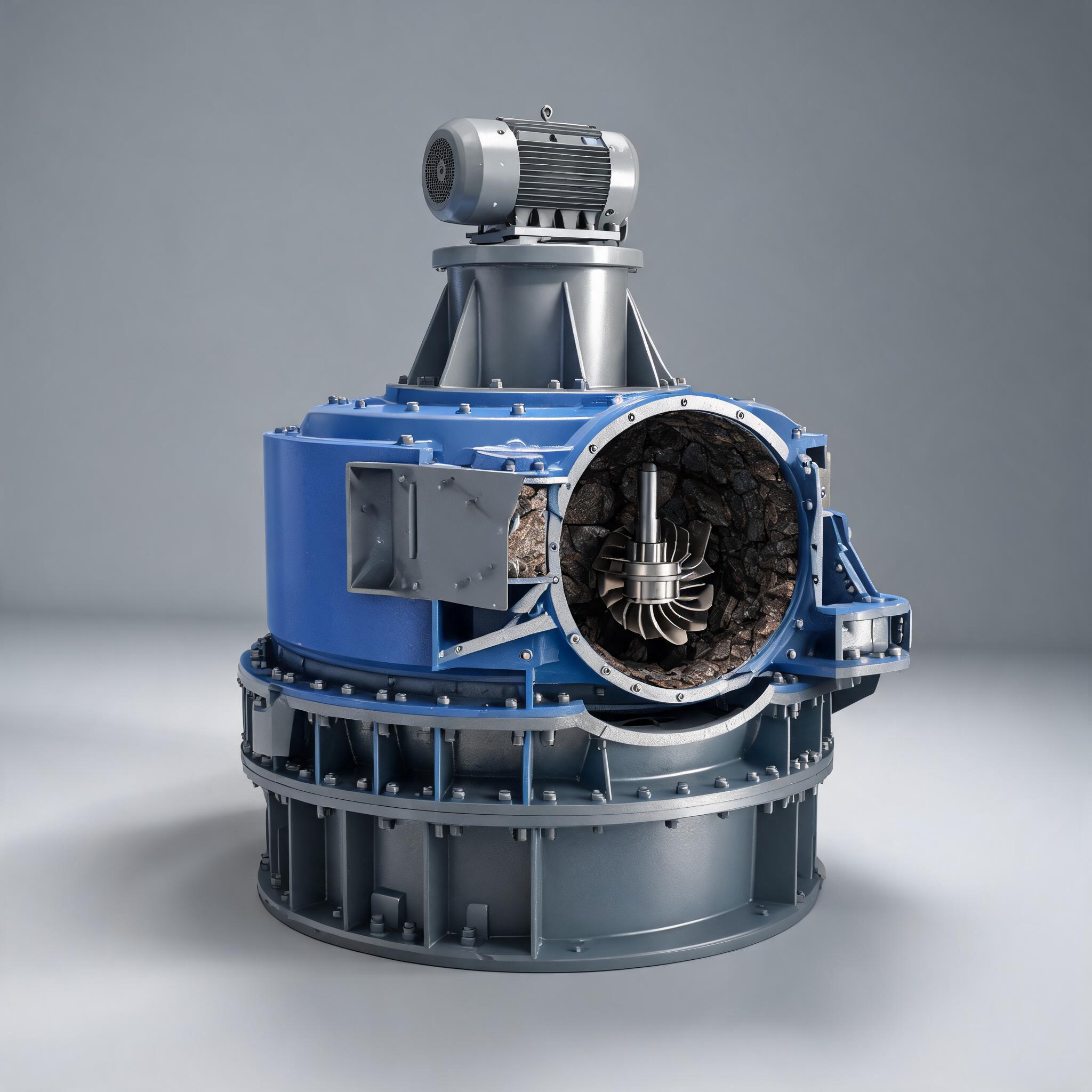
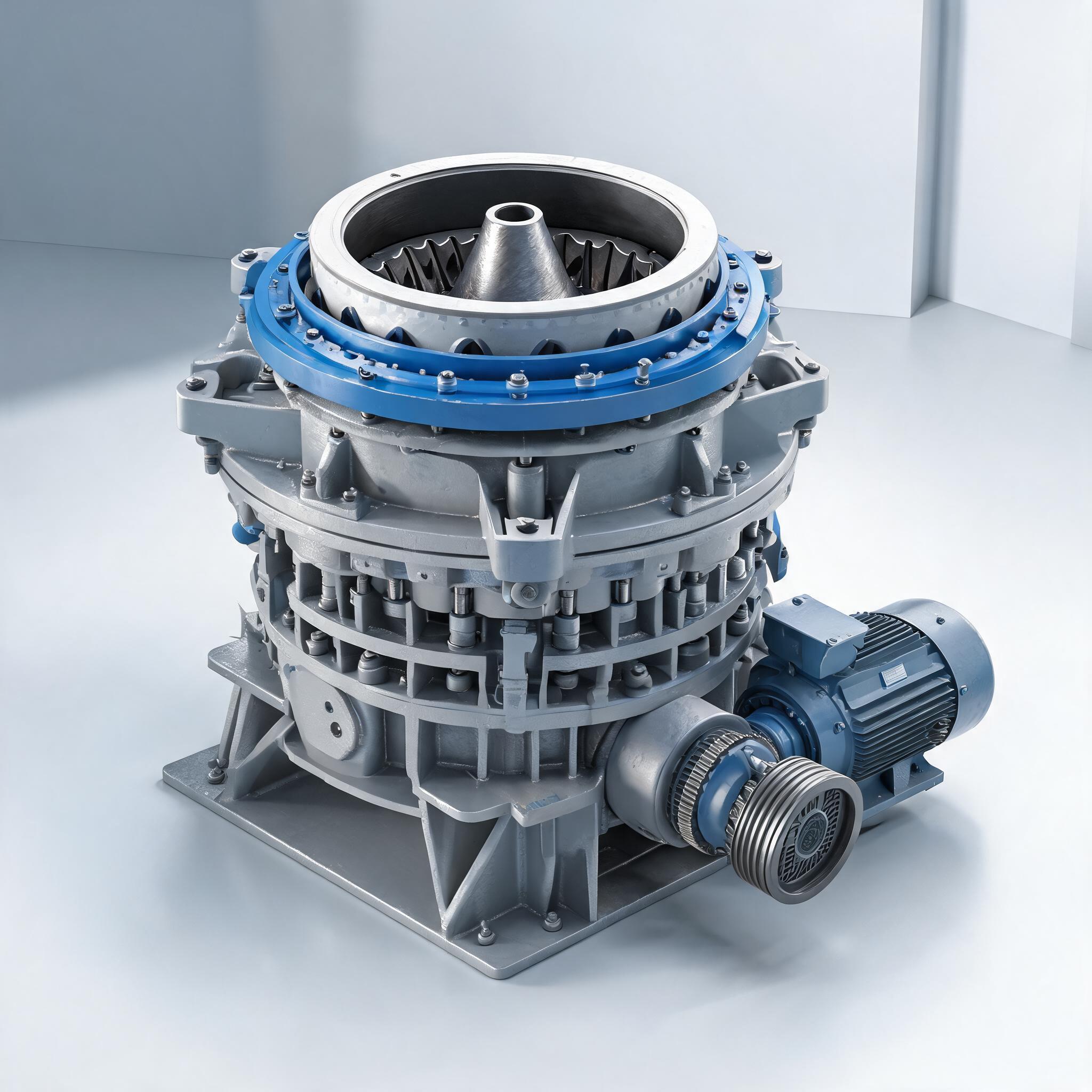
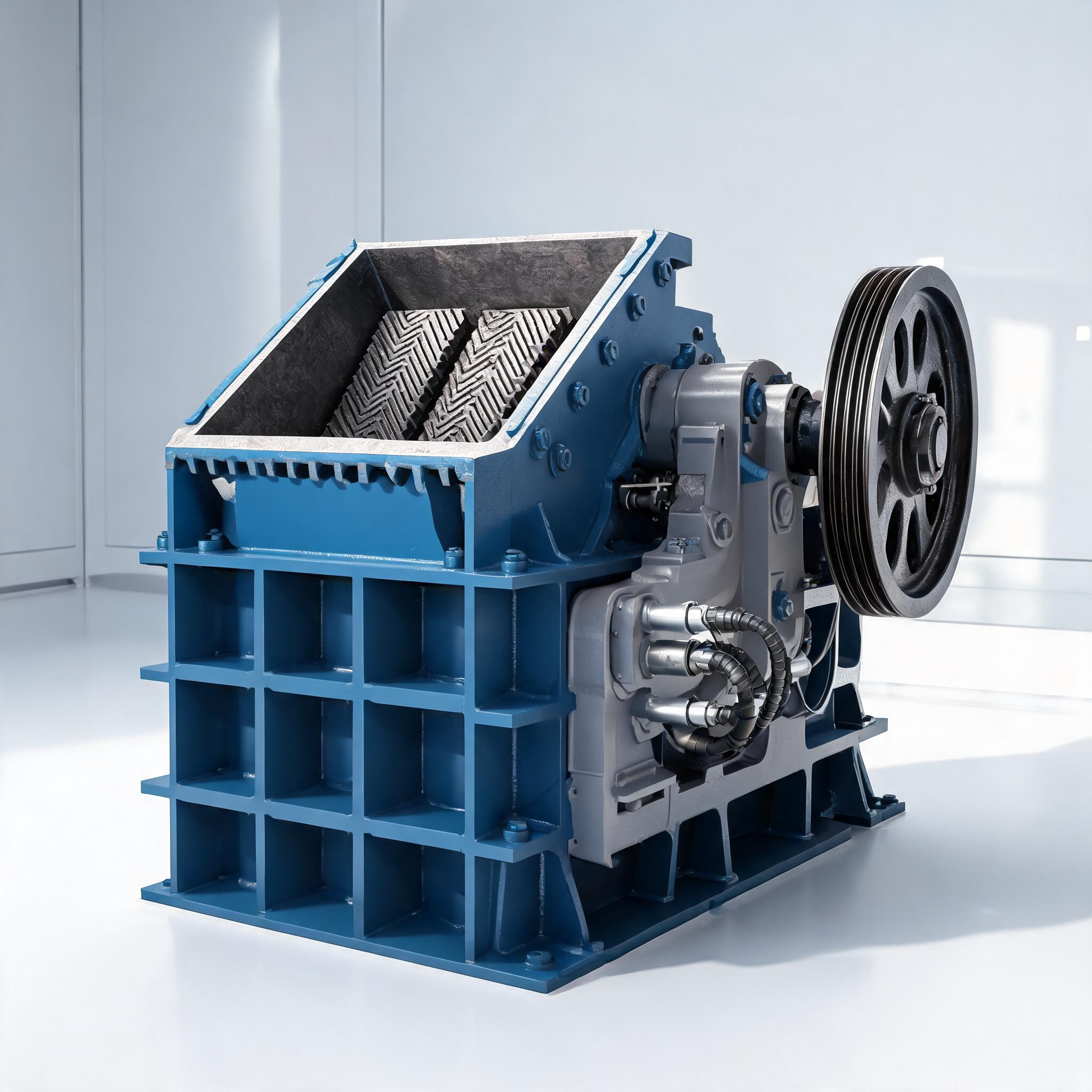
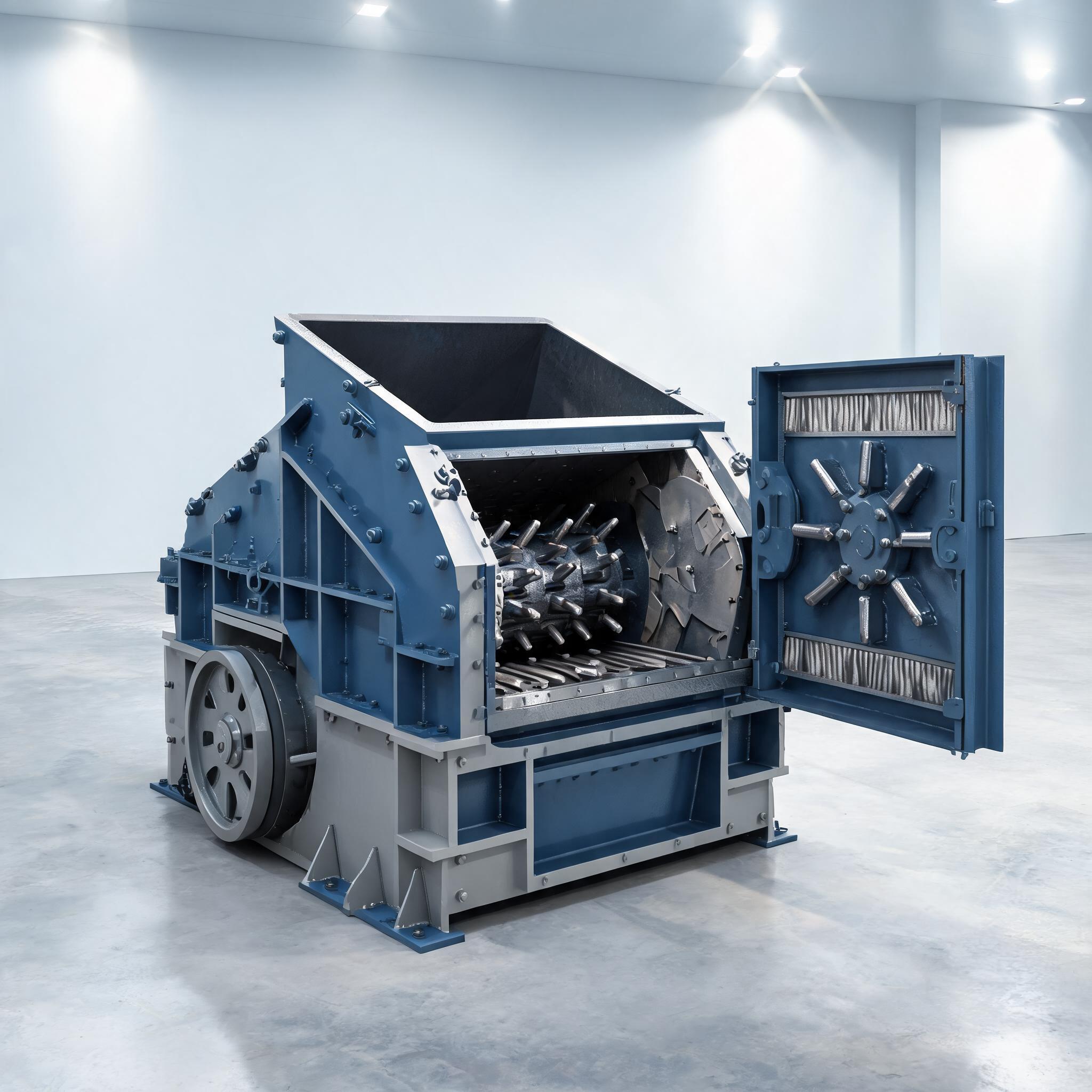
The TG-Impact 500 is a horizontal shaft impact crusher designed for secondary size reduction in metal recycling lines where primary-shredded or pre-sheared scrap needs further fragmentation before downstream separation. A high-speed rotor carrying blow bars strikes incoming material against adjustable impact curtains in the crushing chamber. The impact force fractures metal along grain boundaries and existing micro-cracks, producing a more uniform fragment than compression crushing alone.
For metal recyclers, the key advantage is liberation. When fragments are crushed by impact, brittle components (cast iron, hardened steel) shatter while ductile components (copper wire, aluminum) deform rather than fracture. This differential response helps separate mixed metal streams-brittle fragments pass through at consistent size while ductile metals flatten and can be screened out separately.
Specifications
| Parameter | Value |
|---|---|
| Crushing Mechanism | Horizontal shaft impact |
| Rotor Configuration | Single rotor, blow bar |
| Impact Curtains | Two-stage, adjustable gap |
| Blow Bar Material | Hardened alloy steel / martensitic |
| Tramp Iron Release | Hydraulic or mechanical |
| Drive | V-belt with flywheel |
| Motor Frequency | 50 Hz or 60 Hz configurable |
| Throughput Capacity | Varies by material density and curtain gap - confirm at inquiry |
The gap between rotor and curtains is adjustable-reducing the gap produces finer output; widening it increases throughput at a coarser fragment size. Material fed into the chamber is accelerated by the blow bars and thrown against the first curtain, where it shatters. Fragments still too large bounce back into the rotor path for a second impact, or deflect to the second curtain.
Impact vs. Compression vs. Shear
The three crushing mechanisms in metal recycling each operate on different physical principles:
- Compression (jaw crusher): Material squeezed between two surfaces until it fractures. Effective for hard, brittle materials. Produces fewer fines but larger size variation.
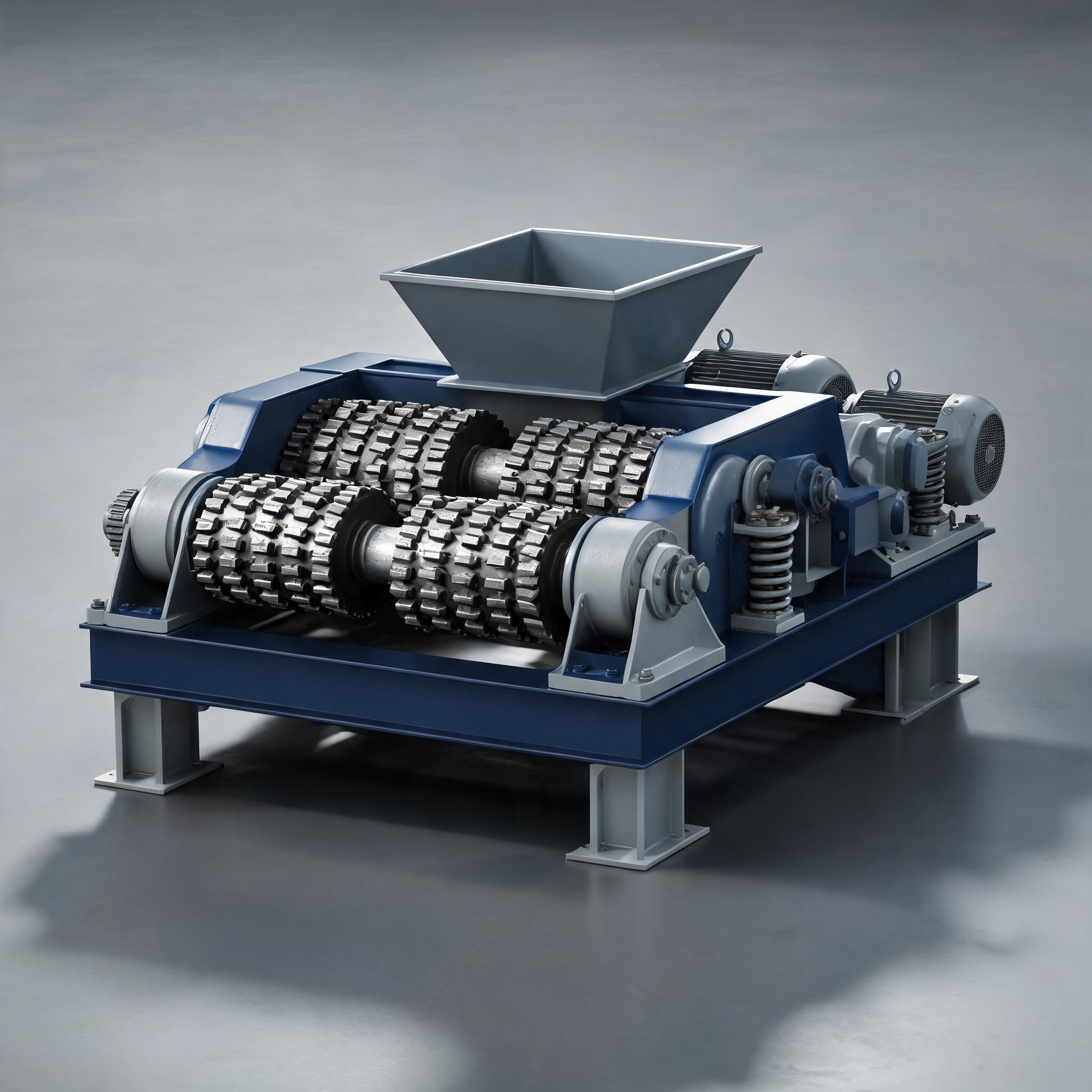
- Shear (shredder): Material cut between rotating shafts. Effective for light-gauge and mixed scrap. Output size depends on shaft gap and cutting disc spacing.
- Impact (this machine): Material struck at high velocity and fractured by energy transfer. Produces more uniform fragment size and more fines, which can improve downstream separation efficiency.
Blow Bar Selection
Blow bars are the primary wear consumable. Material choice depends on feedstock composition:
- Martensitic steel: Standard all-round choice for mixed ferrous scrap. High hardness with moderate toughness. Resists impact spalling.
- Hardened alloy steel: Higher hardness for abrasive feed. May chip if tramp uncrushable metal enters the chamber.
- Composite (steel + ceramic inserts): For highly abrasive feed. Ceramic inserts provide extreme wear resistance but must not be run with tramp steel that can crack the inserts.
Blow bars are reversible-use both edges before replacement. Impact curtains are lined with bolted wear-resistant plates. The tramp iron release system protects rotor and blow bars from uncrushable objects.
Application Scope
The TG-Impact 500 is positioned as a secondary crusher in a multi-stage recycling line:
- Secondary reduction after primary jaw crusher output
- Fragmentation of pre-shredded scrap to uniform size for separation
- Liberation of non-ferrous metals from ferrous matrices in mixed scrap
- Processing cast iron and brittle steel to foundry-charge size
- Reduction of aluminum castings and engine components for remelting
Not designed for primary reduction of large solid castings or thick structural sections-these should be pre-processed through a jaw crusher or shear first. Feeding oversized material risks rotor damage and blow bar breakage.
Drive and Control
The rotor is driven by V-belt from the main motor with a flywheel to smooth peak loads. The control panel includes motor amperage monitoring, automatic shutdown on sustained overload, and emergency stop circuits. VFD is available as an option for applications requiring rotor speed adjustment to optimize fragmentation across different material types.
Wear Parts and Support
Spare blow bars, curtain wear plates, and rotor components are available as individual replacements. Our engineering team can configure blow bar material and curtain gap settings to match specific feed material characteristics. Each machine ships with a spare-parts kit; standard lead time for replacement wear parts is under 45 days. Installation supervision, operator training, and a 12-month warranty are included.
Frequently Asked Questions
Request a Detailed Proposal
To prepare an accurate quotation, include your typical feed material types and pre-sized dimensions, target output fragment size, required throughput, site power supply (voltage and frequency, 50 Hz or 60 Hz), and whether the impact crusher will follow a jaw crusher, shredder, or other primary stage. Mention whether you need integration with downstream magnetic or eddy-current separation.
Request product details