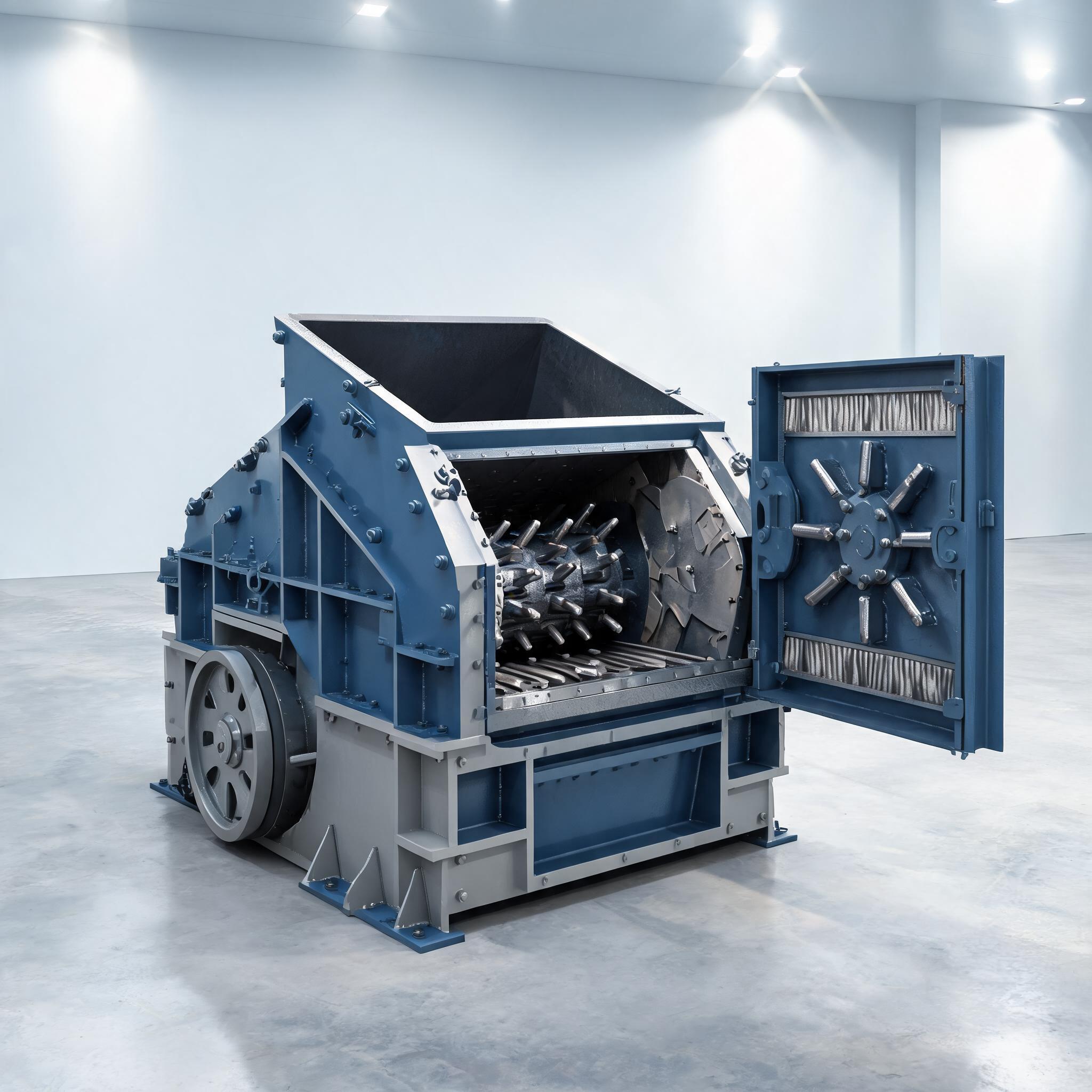
Penghancuran Impak Sekunder untuk Pembebasan Logam dan Saiz Serpihan Seragam
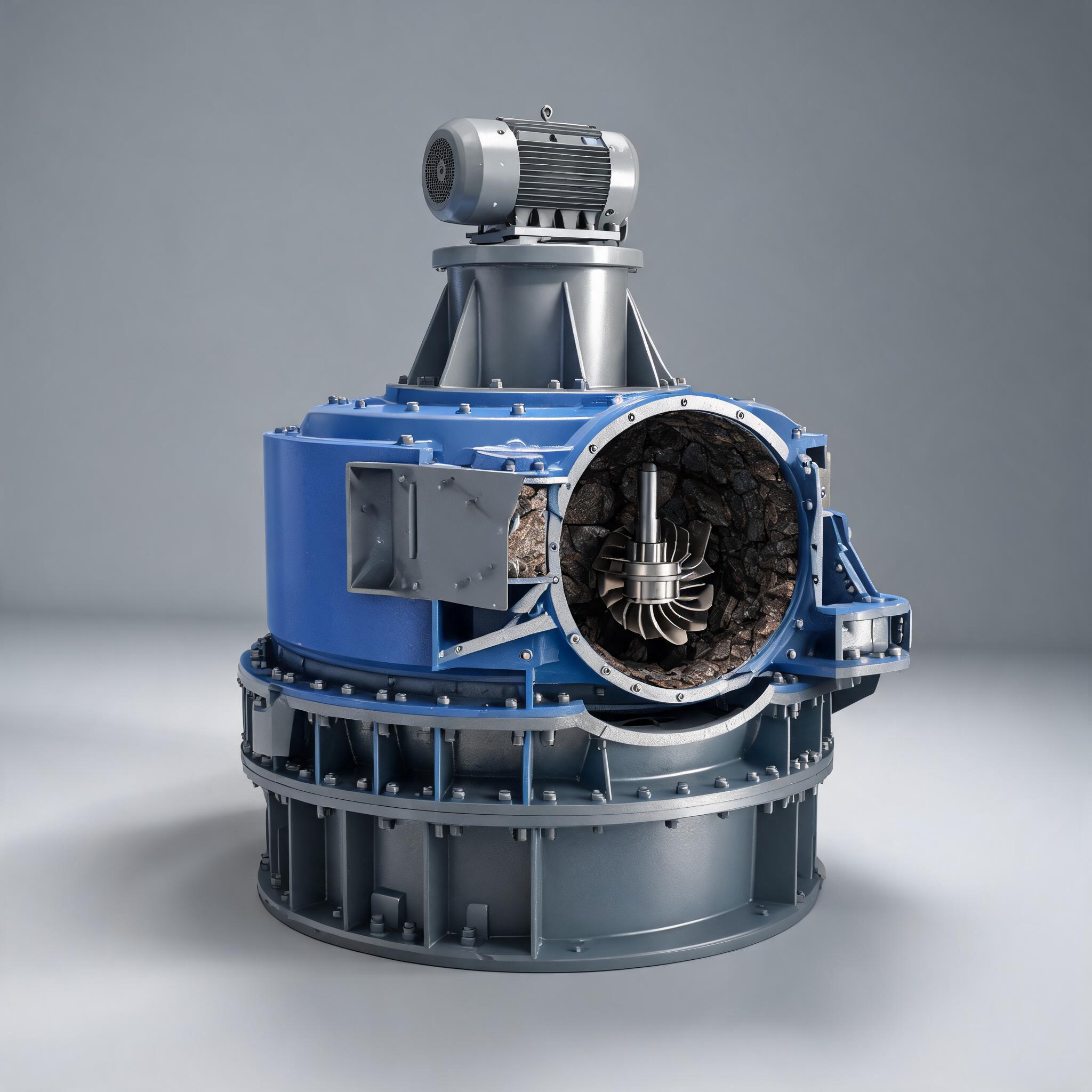
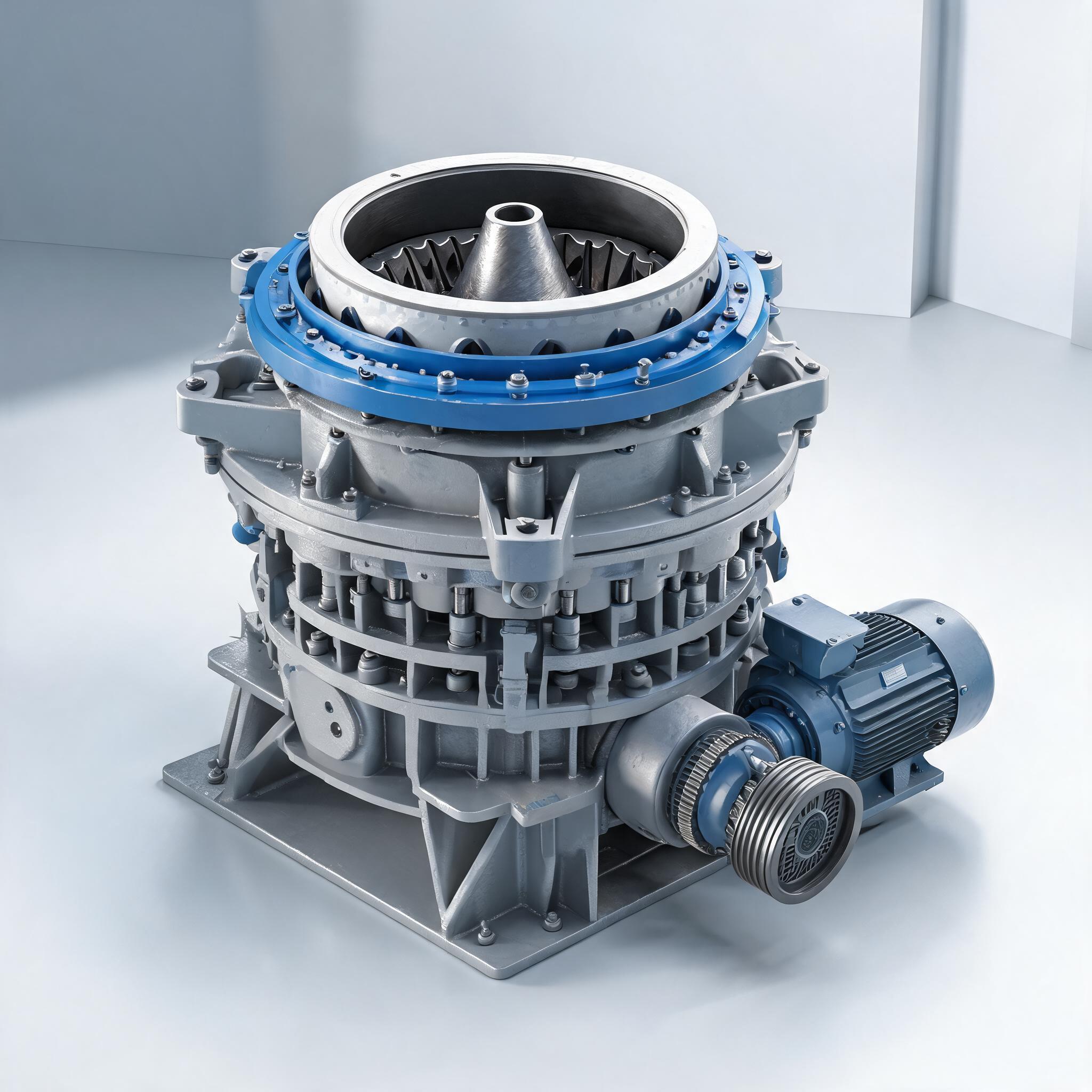
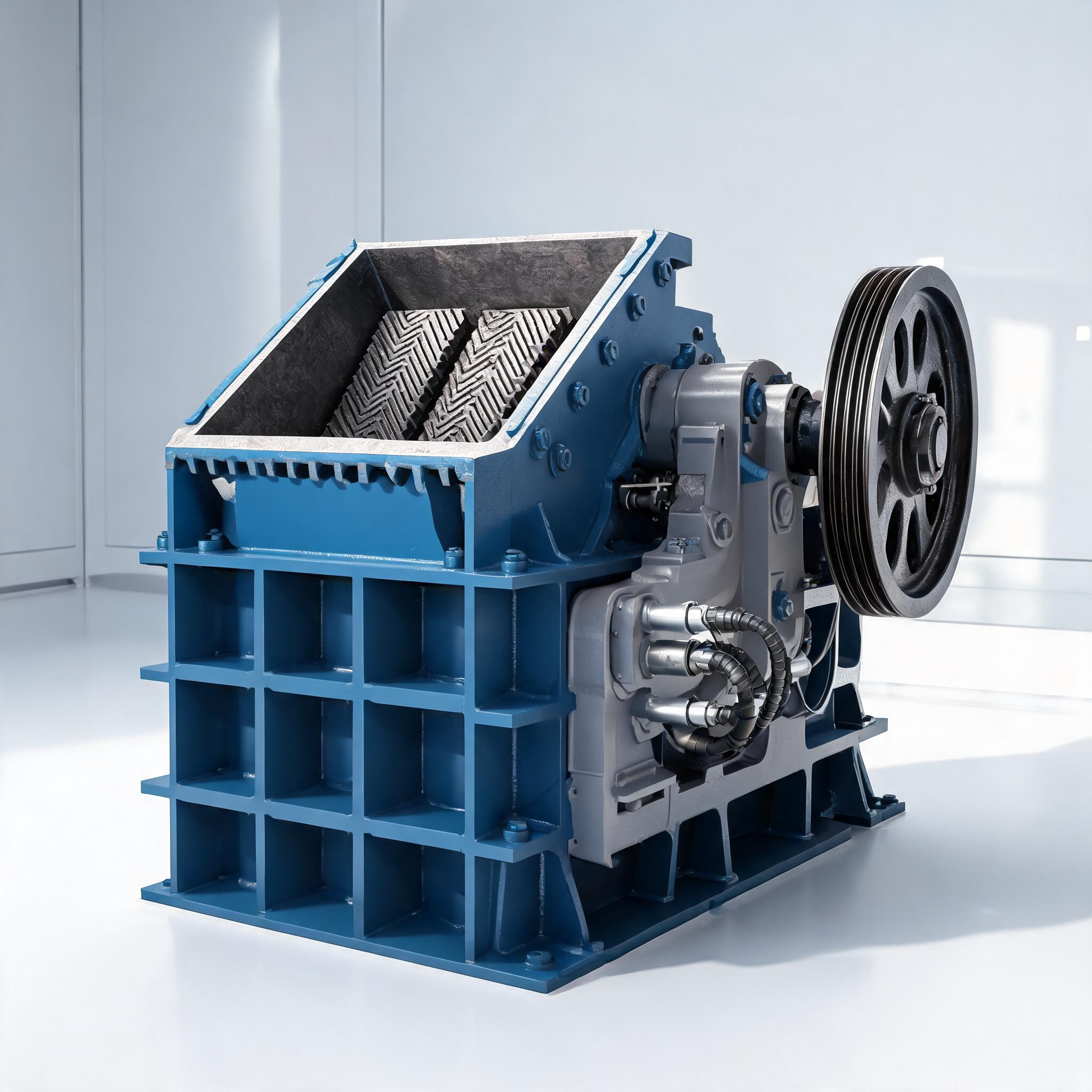
TG-Impact 500 ialah penghancur impak aci mendatar yang direka untuk pengurangan saiz sekunder dalam barisan kitar semula logam di mana sekerap yang telah dicincang utama atau pra-ricih memerlukan pemecahan selanjutnya sebelum pemisahan hilir. Rotor berkelajuan tinggi yang membawa palang hentaman mengenai bahan masuk terhadap langsir impak boleh laras dalam ruang penghancuran. Daya impak memecahkan logam di sepanjang sempadan butiran dan retakan mikro sedia ada, menghasilkan serpihan yang lebih seragam daripada penghancuran mampatan sahaja.
Bagi pengitar semula logam, kelebihan utama ialah pembebasan. Apabila serpihan dihancurkan oleh impak, komponen rapuh (besi tuang, keluli keras) pecah manakala komponen mulur (wayar tembaga, aluminium) berubah bentuk dan bukannya retak. Tindak balas pembezaan ini membantu mengasingkan aliran logam campuran—serpihan rapuh melalui pada saiz yang konsisten manakala logam mulur menjadi rata dan boleh ditapis secara berasingan.
Spesifikasi
| Parameter | Nilai |
|---|---|
| Mekanisme Penghancuran | Impak aci mendatar |
| Konfigurasi Rotor | Rotor tunggal, bar hentaman |
| Tirai Kesan | Dua peringkat, jurang boleh laras |
| Bahan Bar Hentaman | Keluli aloi keras / martensitik |
| Pelepasan Besi Asing | Hidraulik atau mekanikal |
| Pemacu | Tali-V dengan roda tenaga |
| Frekuensi Motor | Boleh dikonfigurasi 50 Hz atau 60 Hz |
| Kapasiti Pemprosesan | Bergantung pada ketumpatan bahan dan jurang langsir - sahkan semasa pertanyaan |
Jurang antara rotor dan langsir boleh laras—mengurangkan jurang menghasilkan keluaran yang lebih halus; melebarkannya meningkatkan daya pemprosesan pada saiz serpihan yang lebih kasar. Bahan yang disuap ke dalam ruang dipercepatkan oleh palang hentaman dan dibaling ke arah langsir pertama, di mana ia pecah. Serpihan yang masih terlalu besar melantun semula ke laluan rotor untuk impak kedua, atau memesong ke langsir kedua.
Impak vs. Mampatan vs. Ricih
Tiga mekanisme penghancuran dalam kitar semula logam masing-masing beroperasi pada prinsip fizikal yang berbeza:
- Mampatan (penghancur rahang): Bahan diperah di antara dua permukaan sehingga ia retak. Berkesan untuk bahan keras dan rapuh. Menghasilkan kurang halus tetapi variasi saiz yang lebih besar.
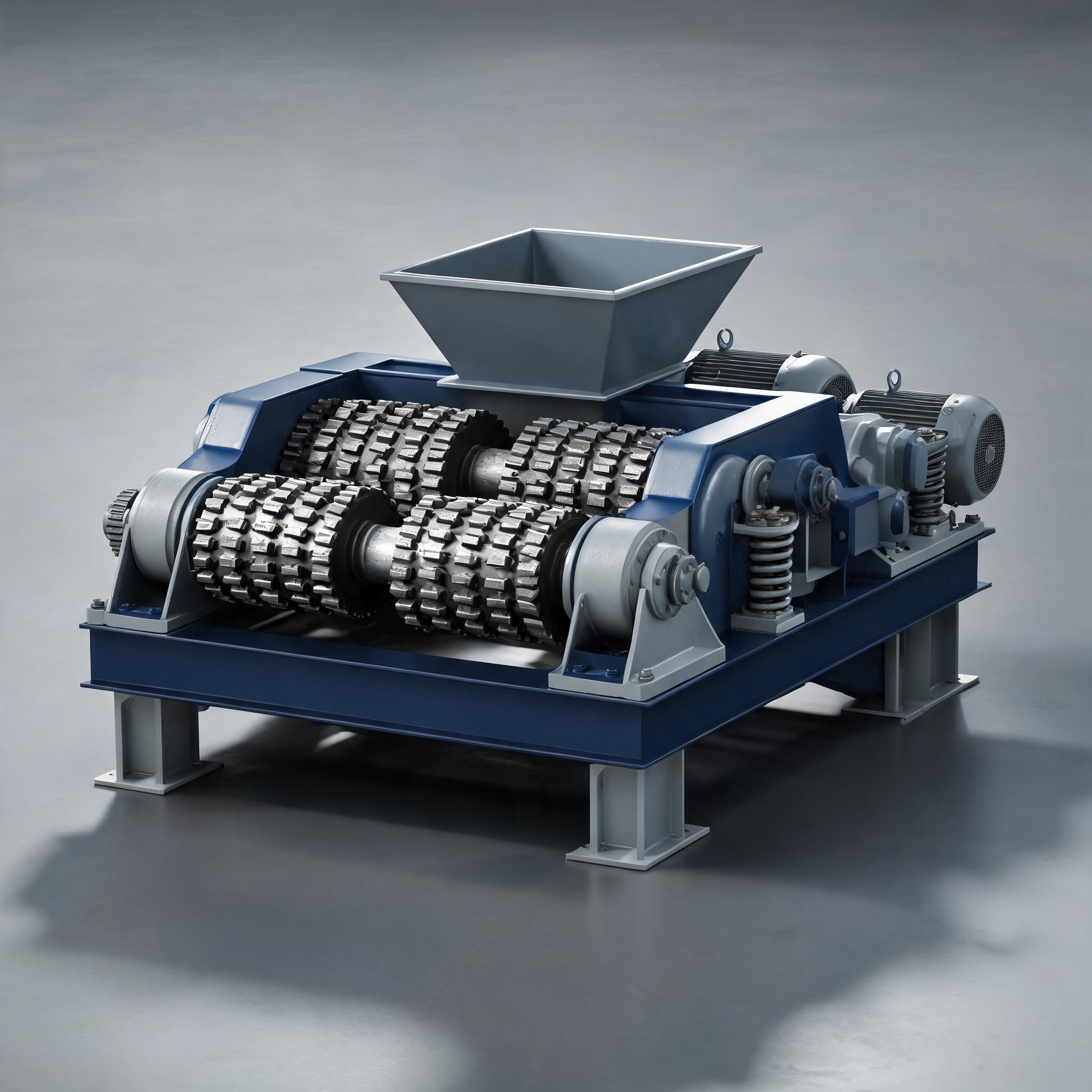
- Ricih (pencincang): Bahan dipotong di antara aci berputar. Berkesan untuk sekerap tolok ringan dan campuran. Saiz keluaran bergantung pada jurang aci dan jarak cakera pemotong.
- Kesan (mesin ini): Bahan dipukul pada halaju tinggi dan dipecahkan oleh pemindahan tenaga. Menghasilkan saiz serpihan yang lebih seragam dan lebih banyak halus, yang boleh meningkatkan kecekapan pemisahan hilir.
Pemilihan Palang Hentaman
Palang hentaman ialah bahan guna utama yang haus. Pilihan bahan bergantung pada komposisi suapan:
- Keluli martensit: Pilihan standard serba guna untuk sekerap ferus campuran. Kekerasan tinggi dengan keliatan sederhana. Tahan kepada spalling impak.
- Keluli aloi diperkeras: Kekerasan lebih tinggi untuk suapan kasar. Mungkin sumbing jika logam asing yang tidak boleh dihancurkan memasuki ruang.
- Komposit (keluli + sisipan seramik): Untuk suapan yang sangat kasar. Sisipan seramik memberikan rintangan haus yang melampau tetapi tidak boleh digunakan dengan keluli asing yang boleh memecahkan sisipan.
Palang hentaman boleh diterbalikkan—gunakan kedua-dua tepi sebelum penggantian. Langsir impak dilapik dengan plat tahan haus bolt-on. Sistem pelepasan besi asing melindungi rotor dan palang hentaman daripada objek yang tidak boleh dihancurkan.
Skop Aplikasi
TG-Impact 500 diposisikan sebagai penghancur sekunder dalam barisan kitar semula berbilang peringkat:
- Pengurangan sekunder selepas keluaran penghancur rahang utama
- Pemecahan sekerap pra-cincang kepada saiz seragam untuk pengasingan
- Pembebasan logam bukan ferus daripada matriks ferus dalam sekerap campuran
- Memproses besi tuang dan keluli rapuh kepada saiz cas relau
- Pengurangan tuangan aluminium dan komponen enjin untuk peleburan semula
Tidak direka untuk pengurangan utama tuangan pepejal besar atau bahagian struktur tebal—ini harus diproses terlebih dahulu melalui penghancur rahang atau ricih. Menyuap bahan bersaiz berlebihan berisiko merosakkan rotor dan memecahkan palang hentaman.
Pemacu dan Kawalan
Rotor digerakkan oleh tali-V dari motor utama dengan roda tenaga untuk melicinkan beban puncak. Panel kawalan termasuk pemantauan amperage motor, penutupan automatik pada beban berlebihan berterusan, dan litar henti kecemasan. VFD tersedia sebagai pilihan untuk aplikasi yang memerlukan pelarasan kelajuan rotor untuk mengoptimumkan pemecahan merentas jenis bahan yang berbeza.
Alat Ganti dan Sokongan
Palang hentaman ganti, plat haus langsir, dan komponen rotor tersedia sebagai penggantian individu. Pasukan kejuruteraan kami boleh mengonfigurasi bahan palang hentaman dan tetapan jurang langsir untuk dipadankan dengan ciri-ciri bahan suapan tertentu. Setiap mesin dihantar dengan kit alat ganti; tempoh pengeluaran standard untuk bahagian haus ganti adalah di bawah 45 hari. Penyeliaan pemasangan, latihan pengendali, dan waranti 12 bulan disertakan.
Soalan Lazim
Minta Cadangan Terperinci
Untuk menyediakan sebut harga yang tepat, sertakan jenis bahan suapan biasa anda dan dimensi pra-saiz, saiz serpihan output sasaran, daya pemprosesan yang diperlukan, bekalan kuasa tapak (voltan dan frekuensi, 50 Hz atau 60 Hz), dan sama ada penghancur hentaman akan mengikuti penghancur rahang, pencincang, atau peringkat utama lain. Nyatakan sama ada anda memerlukan integrasi dengan pemisahan magnetik atau arus pusar di hiliran.
Minta butiran produk