Kawalan Saiz Atas Tepat dengan Penjanaan Halus Minimum
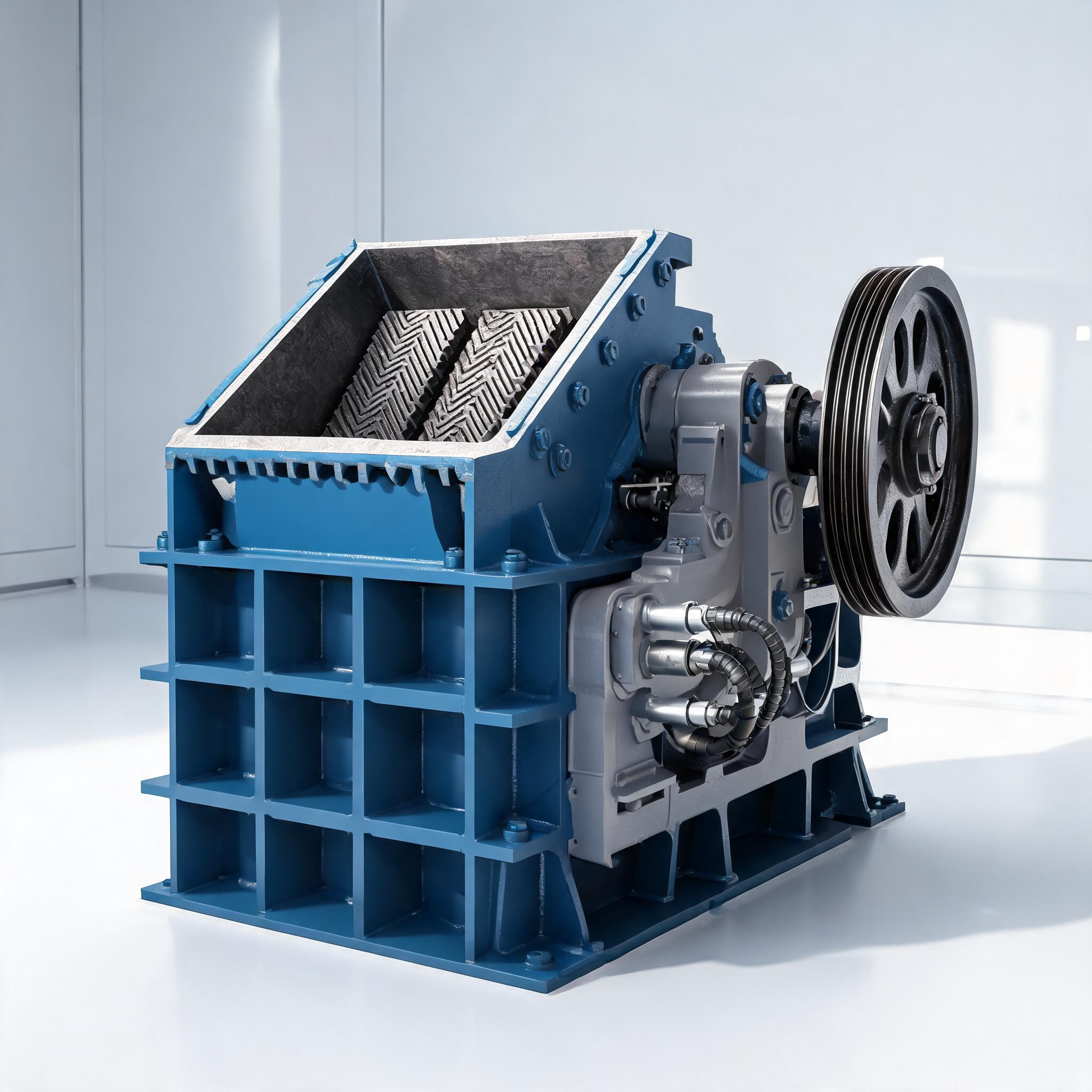
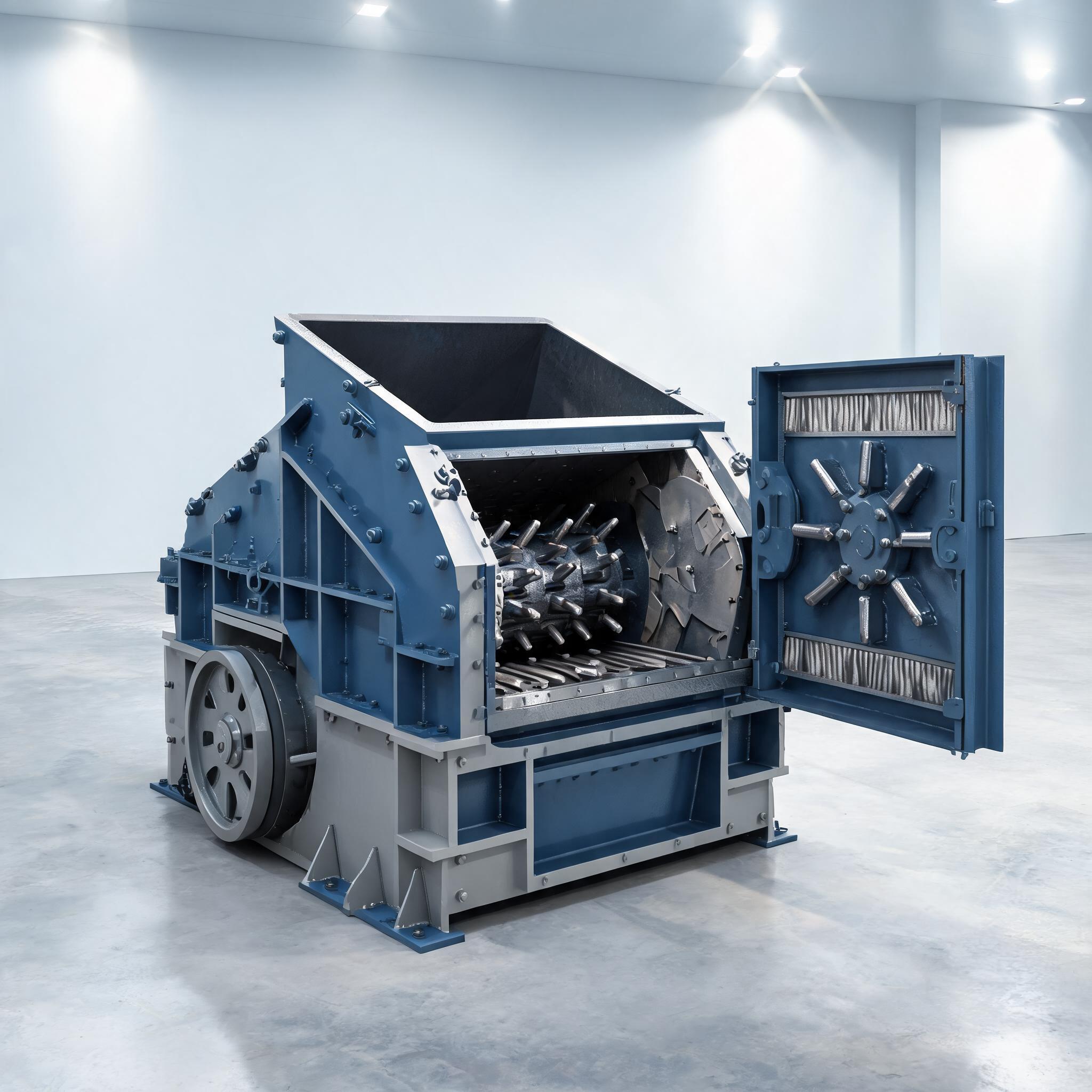
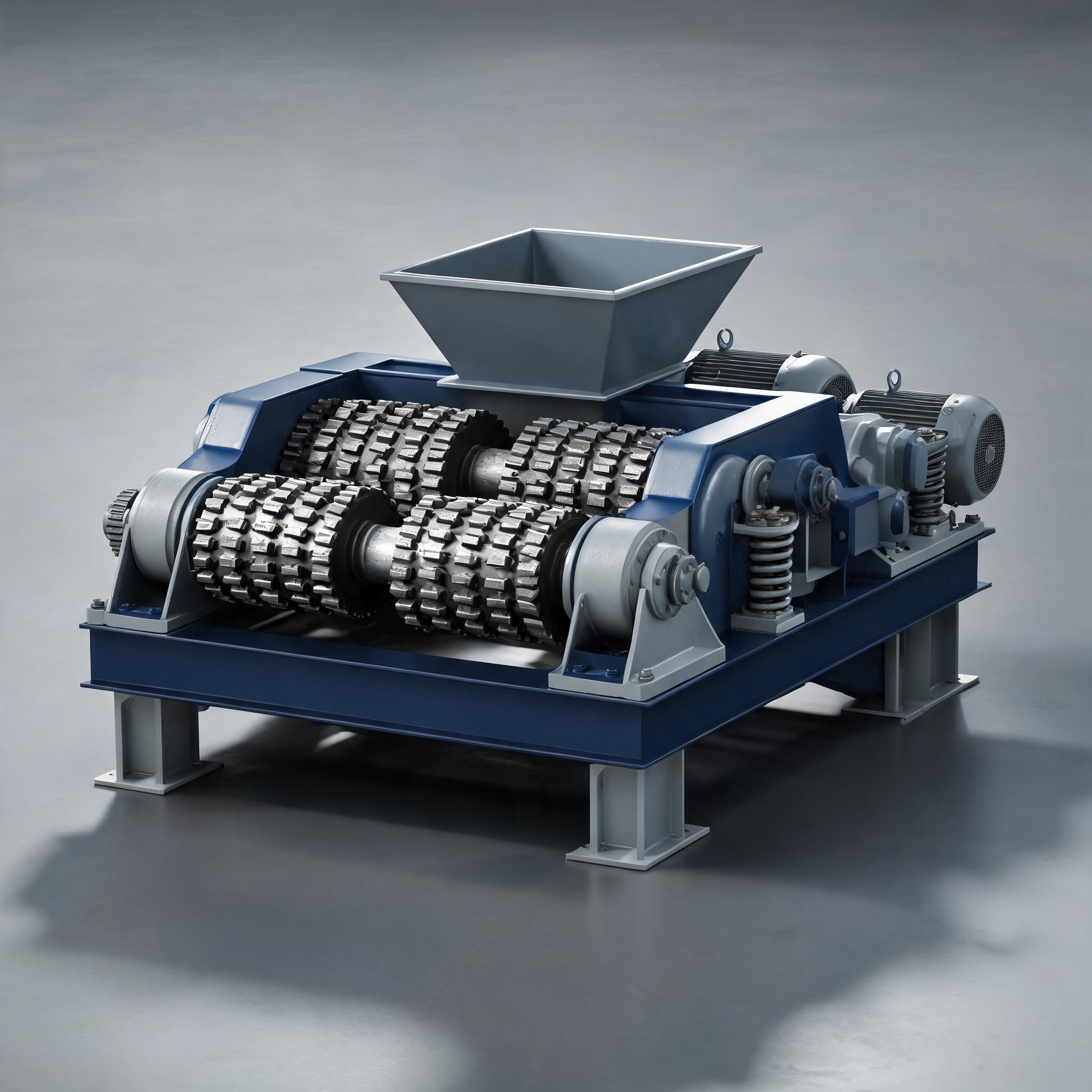
TG-RollCrush 300 adalah penghancur gulung berganda untuk aplikasi kitar semula logam yang memerlukan kawalan tepat ke atas saiz serpihan keluaran dengan halus minimum. Dua gulung berputar berlawanan dengan permukaan segmen bergigi menarik bahan ke dalam jurang penghancuran, di mana ia dikurangkan melalui gabungan mampatan dan ricih. Profil bergigi mencengkam kepingan individu dan bukannya bergantung pada graviti atau hentaman, menjadikannya berkesan untuk tuangan rapuh, cip logam, dan serpihan bersaiz awal yang memerlukan laluan saiz akhir terkawal.
Jurang gulung secara langsung menentukan saiz maksimum serpihan keluaran - tiada bahan yang lebih besar daripada jurang boleh melaluinya. Ini memberikan had atas yang ketat pada saiz keluaran, tidak seperti penghancur hentaman atau rahang di mana saiz keluaran adalah probabilistik.
Spesifikasi
| Parameter | Nilai |
|---|---|
| Mekanisme Penghancuran | Mampatan dan ricih |
| Konfigurasi Rol | Dua gulung berputar berlawanan, pemacu bebas |
| Permukaan Rol | Bergigi bersegmen, diikat |
| Pelarasan Celah | Hidraulik dengan pelepasan spring |
| Perlindungan Bahan Tidak Boleh Dihancurkan | Pemisahan automatik pelepasan spring |
| Pemacu | Motor bebas untuk setiap gulung melalui kotak gear |
| Frekuensi Motor | Boleh dikonfigurasi 50 Hz atau 60 Hz |
| Kapasiti Pemprosesan | Berbeza mengikut ketumpatan bahan dan tetapan jurang - sahkan semasa pertanyaan |
Mengapa Penghancuran Rol Berganda untuk Kitar Semula Logam
- Halus minimum: Mampatan dan ricih antara gulung menghasilkan lebih sedikit halus daripada penghancuran hentaman - penting apabila halus mengurangkan kecekapan pengasingan hiliran atau menurunkan nilai logam yang dipulihkan.
- Kawalan saiz atas yang tepat: Jurang gulung menetapkan saiz maksimum serpihan keluaran. Tiada bahan yang lebih besar daripada jurang boleh melaluinya.
- Habuk dan bunyi rendah: Mampatan kelajuan rendah menghasilkan kurang habuk dan bunyi daripada penghancur hentaman berkelajuan tinggi, relevan untuk kemudahan di bawah peraturan alam sekitar yang ketat.
- Pengendalian bahan cemar mulur: Logam mulur yang memasuki jurang (wayar tembaga, aluminium nipis) cenderung menjadi rata daripada pecah. Ini boleh menjadi kelebihan jika matlamatnya adalah untuk meratakan bahan cemar mulur untuk pengasingan penapisan hiliran.
Reka Bentuk Segmen Gulung
Permukaan gulung membawa segmen bergigi diikat dalam keluli aloi keras. Profil gigi dipilih berdasarkan bahan suapan:
- Gigi kasar: Gigi lebih besar, jarak lebih luas. Untuk kepingan suapan yang lebih besar dan daya pemprosesan yang lebih tinggi.
- Gigi sederhana: Tujuan umum untuk kebanyakan aplikasi kitar semula logam.
- Gigi halus: Gigi lebih kecil, jarak lebih rapat. Untuk saiz keluaran yang lebih halus dan zarah suapan yang lebih kecil.
Segmen diikat pada teras gulung dan boleh diganti secara individu. Teras gulung kekal dalam mesin - hanya segmen bergigi yang ditukar. Jejaki haus dengan mengukur ketinggian gigi pada selang masa yang dijadualkan.
Skop Aplikasi
- Saiz akhir serpihan besi tuang pra-hancur sebelum pengecasan faundri
- Saiz cip logam dan tatal untuk suapan briket
- Pengurangan tuangan aluminium rapuh kepada saiz zarah seragam
- Penyediaan serpihan sekerap keluli untuk pengecasan relau terus
- Saiz terkawal bahan pra-cincang sebelum pengasingan arus pusar
Dioptimumkan untuk bahan rapuh bersaiz awal. Bukan penghancur utama - suapan hendaklah bersaiz awal oleh penghancur rahang, penghancur hentaman, atau pencincang. Memberi suapan bahan yang terlalu besar atau mulur boleh menyebabkan gulung tersekat atau haus berlebihan. Sahkan saiz maksimum kepingan suapan semasa pertanyaan.
Pemacu dan Kawalan
Setiap gulung dipacu oleh motor bebas melalui kotak gear, membolehkan gulung berjalan pada kelajuan sedikit berbeza untuk meningkatkan tarikan bahan. PLC memantau beban motor dan membalikkan putaran gulung apabila beban berlebihan untuk membersihkan kesesakan. Permulaan lembut adalah standard.
Alat Ganti dan Sokongan
Segmen bergigi ganti dalam profil kasar, sederhana, dan halus tersedia sebagai pengganti individu. Pasukan kejuruteraan kami boleh mengonfigurasi profil gigi dan tetapan jurang untuk dipadankan dengan ciri bahan suapan tertentu. Setiap mesin dihantar dengan kit alat ganti; tempoh pengeluaran standard untuk bahagian haus ganti adalah di bawah 45 hari. Penyeliaan pemasangan, latihan pengendali, dan waranti 12 bulan disertakan.
Soalan Lazim
Minta Cadangan Terperinci
Untuk menyediakan sebut harga yang tepat, sertakan jenis bahan suapan biasa anda dan saiz maksimum kepingan suapan, saiz serpihan keluaran sasaran, kadar pemprosesan yang diperlukan, bekalan kuasa tapak (voltan dan frekuensi, 50 Hz atau 60 Hz), dan sama ada penghancur gulungan mengikuti penghancur rahang, penghancur hentaman, atau pencincang dalam barisan anda. Nyatakan profil gigi pilihan anda (kasar, sederhana, halus) jika diketahui.
Minta butiran produk