Apabila Pencincang Tersekat: Mampatan Utama untuk Skrap Ferus Keras
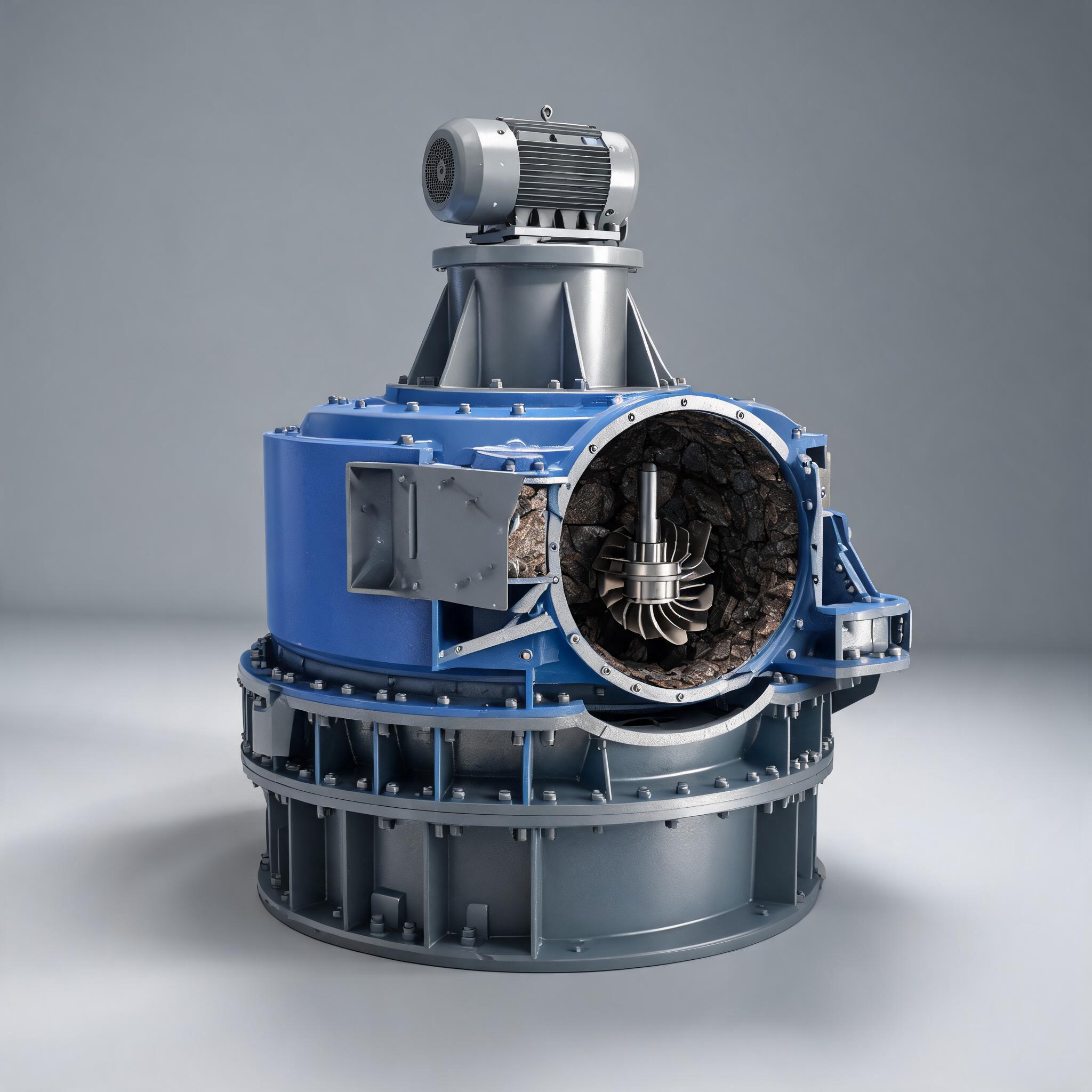
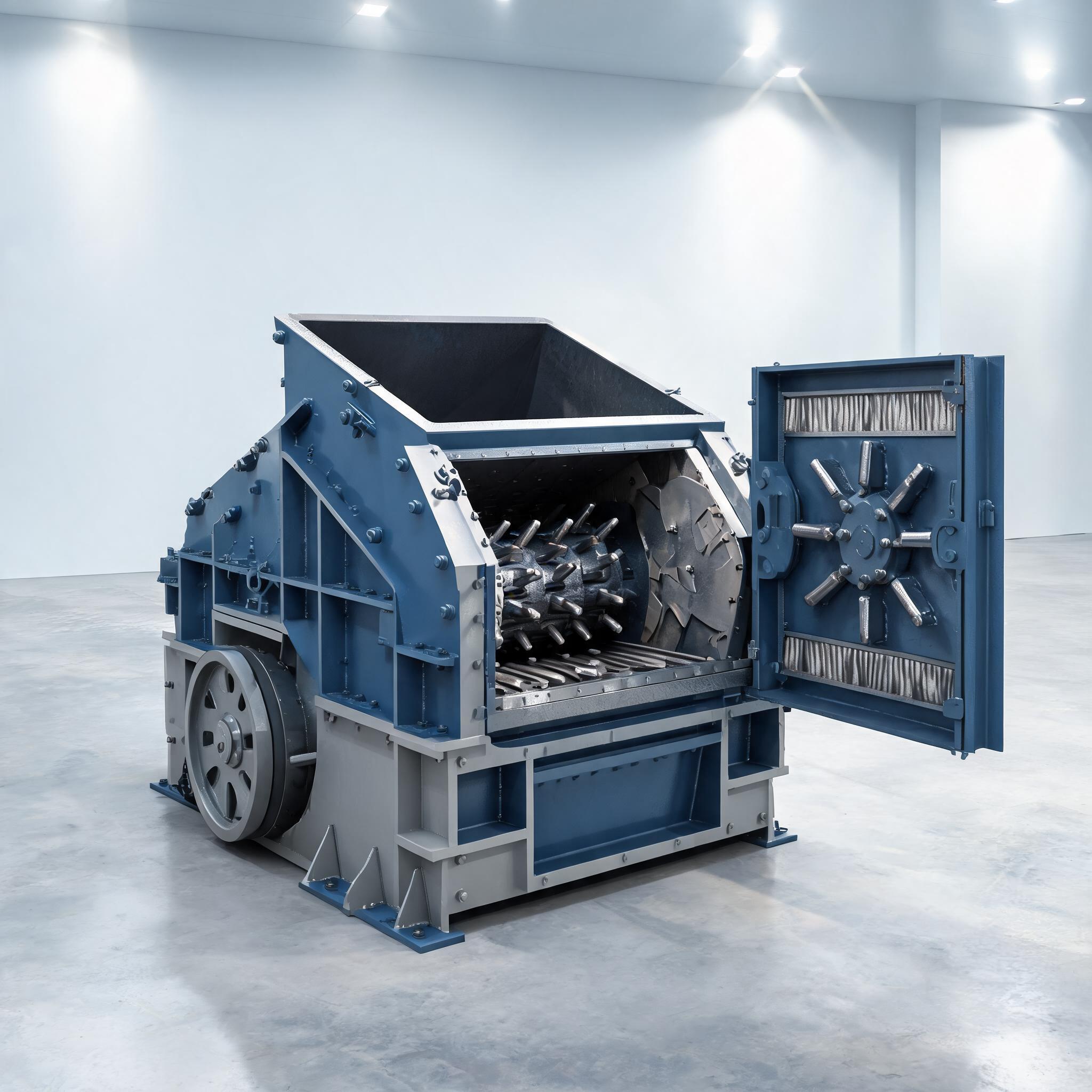
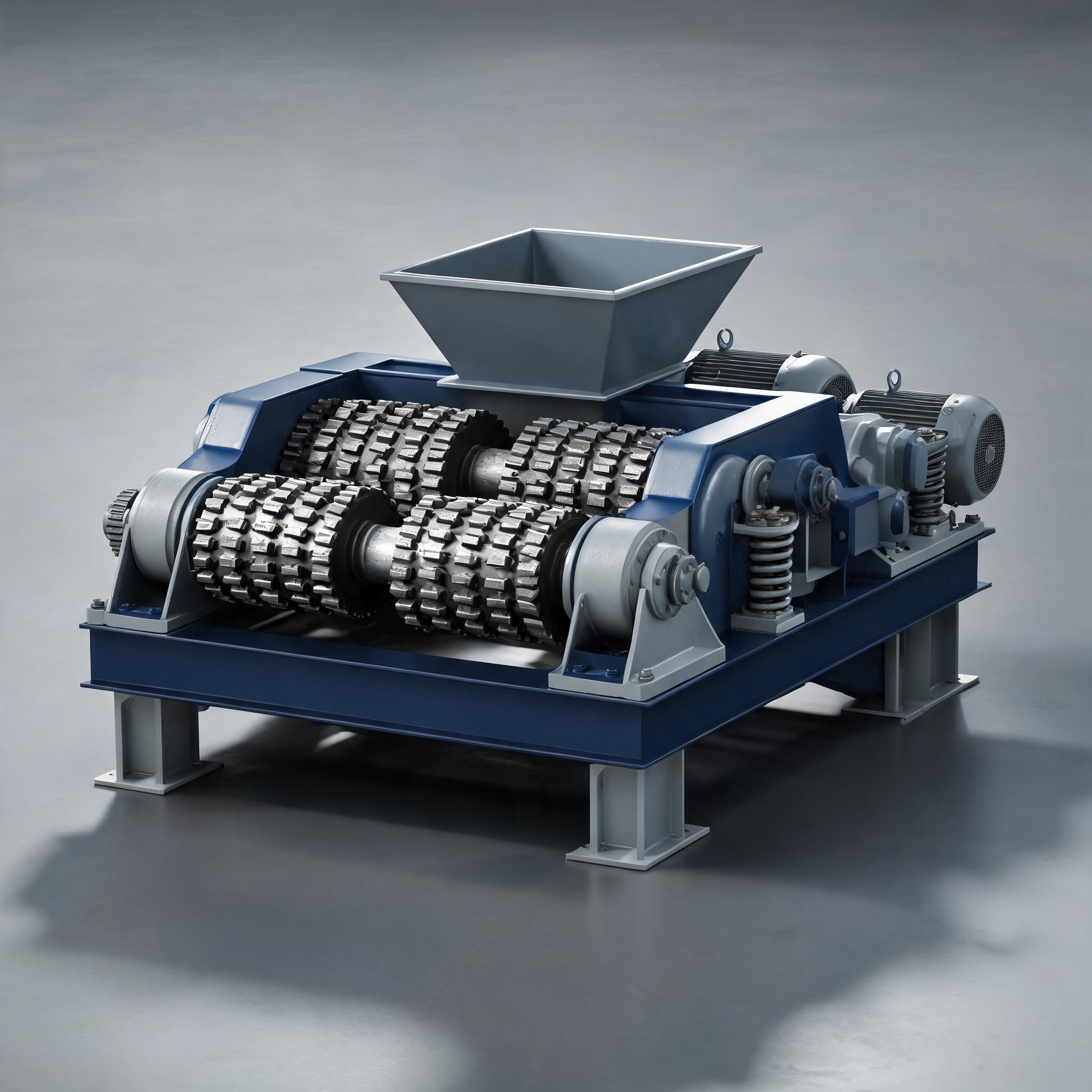
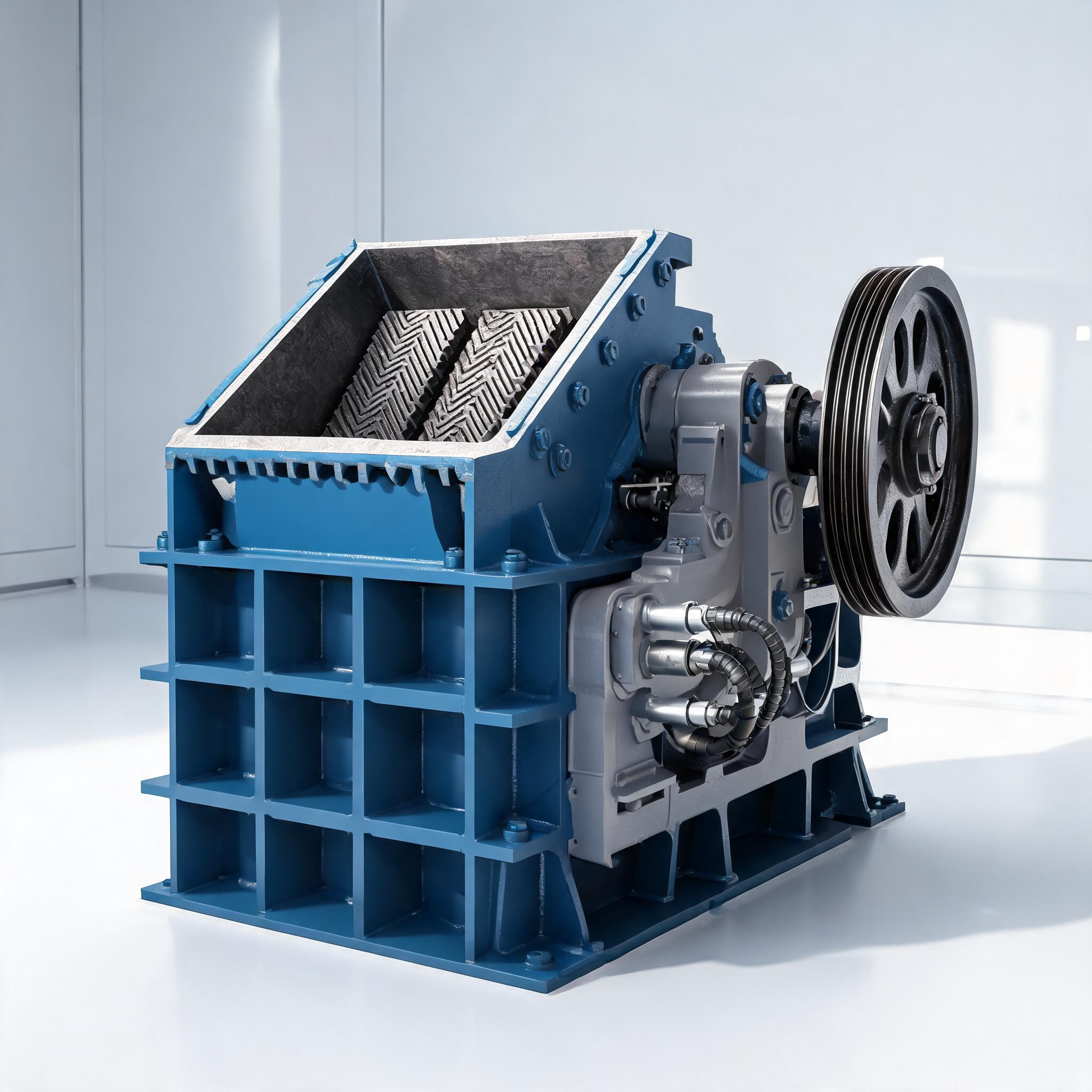
Blok enjin besi tuang, paip keluli berdinding tebal, komponen kereta api, dan tuangan jentera besar tiba di pusat kitar semula dalam saiz dan tahap kekerasan yang menyebabkan pencincang dua aci tersekat atau menyebabkan haus dipercepat pada cakera pemotong. TG-Jaw 600 menangani bahan suapan ini dengan menggunakan daya mampatan antara plat rahang tetap dan plat rahang boleh alih - kedua-duanya dilapisi keluli mangan - untuk memecahkan logam keras di sepanjang satah belahan semula jadinya. Aci sipi memacu rahang boleh alih dalam gerakan elips, dan kepingan yang terpecah jatuh secara graviti melalui bukaan pelepasan pada lejang kembali.
Spesifikasi
| Parameter | Nilai |
|---|---|
| Mekanisme Penghancuran | Mampatan (rahang tetap + boleh alih) |
| Bukaan Suapan | 600 × 900 mm |
| Bahan Plat Rahang | Keluli Mangan (Mn13 / Mn18) |
| Pelarasan Pelepasan | Baji hidraulik |
| Frekuensi Motor | Boleh dikonfigurasi 50 Hz atau 60 Hz |
| Kapasiti Pemprosesan | Berbeza mengikut ketumpatan bahan dan tetapan pelepasan - sahkan semasa pertanyaan |
Bukaan suapan 600 × 900 mm menetapkan saiz maksimum input satu keping. Apa-apa yang lebih besar memerlukan pra-cukur atau pemotongan haba sebelum disuap. Saiz pelepasan ditetapkan oleh baji hidraulik di bahagian bawah ruang rahang - tiada pelarasan manual diperlukan - yang penting apabila pusat pemprosesan memproses bahan suapan berbeza yang memerlukan saiz keluaran berbeza sepanjang hari.
Pemilihan Plat Rahang: Mn13 vs Mn18
Keluli mangan mengeras kerja di bawah hentaman: kekerasan permukaannya meningkat apabila bahan suapan mengenainya, mewujudkan lapisan tahan haus di atas teras yang kuat dan tahan retak. Mn13 adalah gred standard untuk skrap ferus campuran. Mn18 ditetapkan untuk aliran yang lebih keras dan lebih kasar seperti besi tuang dan keluli keras, di mana Mn13 akan haus lebih cepat. Kedua-dua gred boleh diterbalikkan - gunakan kedua-dua belah sebelum penggantian.
- Plat rahang standard: Mn13, boleh diterbalikkan, untuk skrap ferus am
- Plat rahang tugas berat: Mn18, untuk besi tuang kasar dan keluli keras
- Profil beralun: meningkatkan cengkaman pada tuangan bulat dan bahagian silinder
- Profil rata: menghasilkan saiz serpihan output yang lebih seragam
Plat diikat pada bingkai dan rahang ayunan - penggantian tidak memerlukan kimpalan. Jejaki haus dengan mengukur ketebalan plat pada selang masa yang dijadualkan; ganti sebelum korugasi rata, kerana plat haus mengurangkan kecekapan penghancuran dan meningkatkan beban motor.
Kedudukan dalam Talian Berbilang Peringkat
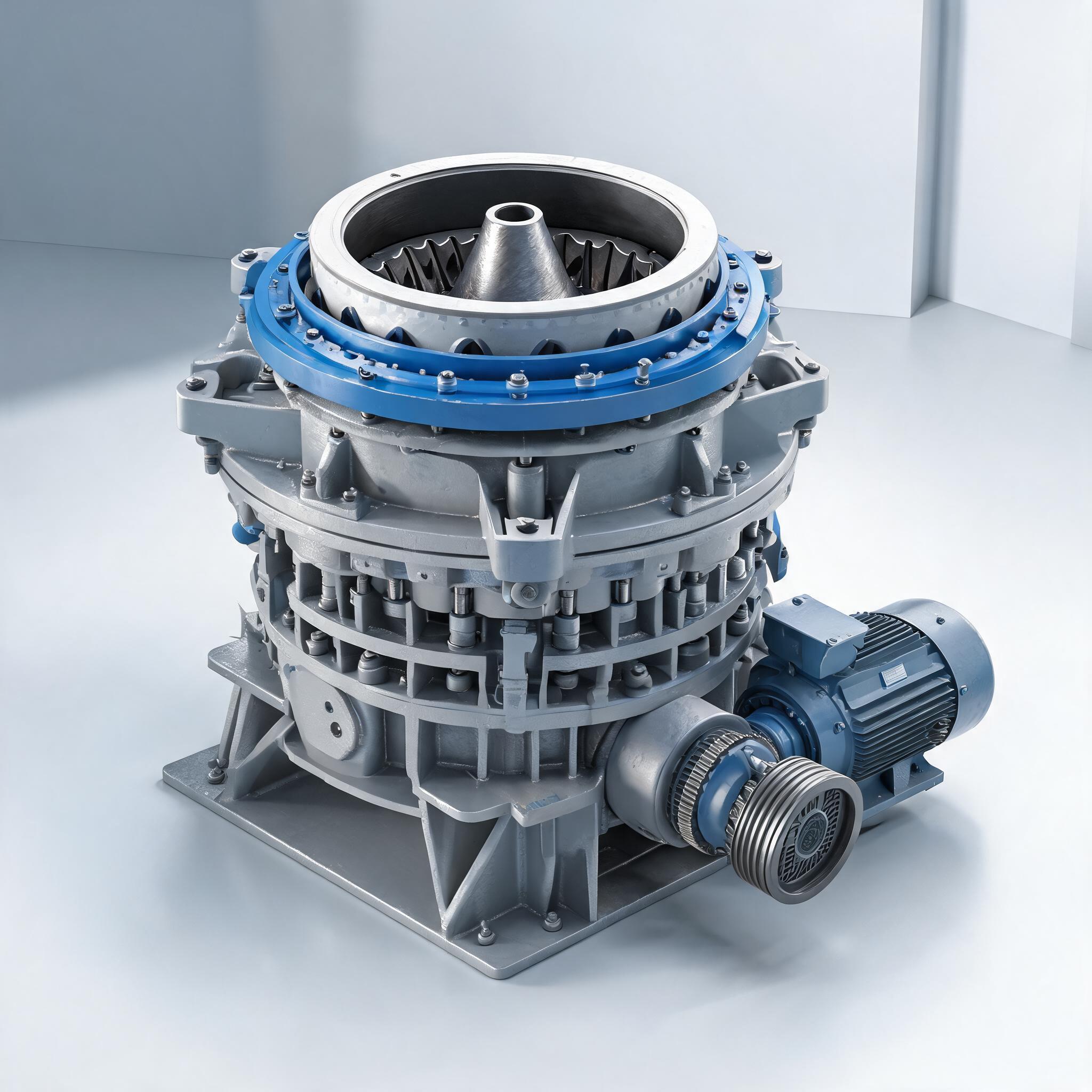
Penghancur rahang adalah peringkat utama. Keluaran yang terlalu besar boleh memberi suapan kepada penghancur sekunder (hentaman atau kon) untuk pengurangan selanjutnya, atau pencincang untuk saiz akhir. Ia tidak direka untuk kepingan logam nipis atau skrap campuran longgar - bahan-bahan ini tidak memampat dan pecah dengan berkesan antara plat rahang dan lebih baik dikendalikan oleh pencincang secara langsung.
Aplikasi biasa termasuk blok enjin besi tuang dan perumah mesin, paip keluli berdinding tebal dan bahagian struktur, komponen trek kereta api, tuangan dan tempaan keluli besar, serta aci dan gandar keluli keras.
Konfigurasi Pemacu
Motor utama memacu aci sipi melalui tali-V dan roda tenaga. Roda tenaga menyimpan tenaga semasa bahagian melahu kitaran rahang dan melepaskannya semasa lejang mampatan, mengurangkan beban motor puncak dan membolehkan motor yang lebih kecil mengendalikan kepingan suapan besar. Motor tersedia dalam konfigurasi 50 Hz atau 60 Hz. Panel kawalan termasuk perlindungan motor, pemantauan amper, dan litar henti kecemasan.
Bahagian Haus dan Sokongan Pasca-Jualan
Plat rahang ganti, pelapik sisi, dan komponen togol tersedia sebagai bahagian ganti individu. Pasukan kejuruteraan kami boleh mengonfigurasi profil plat rahang dan tetapan pelepasan untuk dipadankan dengan ciri bahan suapan tertentu. Setiap mesin dihantar dengan kit alat ganti, dan tempoh pengeluaran standard untuk bahagian haus ganti adalah di bawah 45 hari. Penyeliaan pemasangan, latihan pengendali, dan waranti 12 bulan disertakan dengan pentauliahan.
Soalan Lazim
Minta Cadangan Terperinci
Untuk menyediakan sebut harga yang tepat, sertakan jenis bahan suapan biasa dan kekerasan, dimensi maksimum kepingan suapan, saiz serpihan keluaran sasaran, bekalan kuasa tapak (voltan dan frekuensi, 50 Hz atau 60 Hz), dan sama ada penghancur rahang akan berdiri sendiri atau disepadukan dengan penghancur sekunder atau pencincang. Sebutkan sebarang keperluan pensijilan khusus untuk rantau anda.
Minta butiran produk