From Circuit Boards to Recovered Metal Fractions in One Line
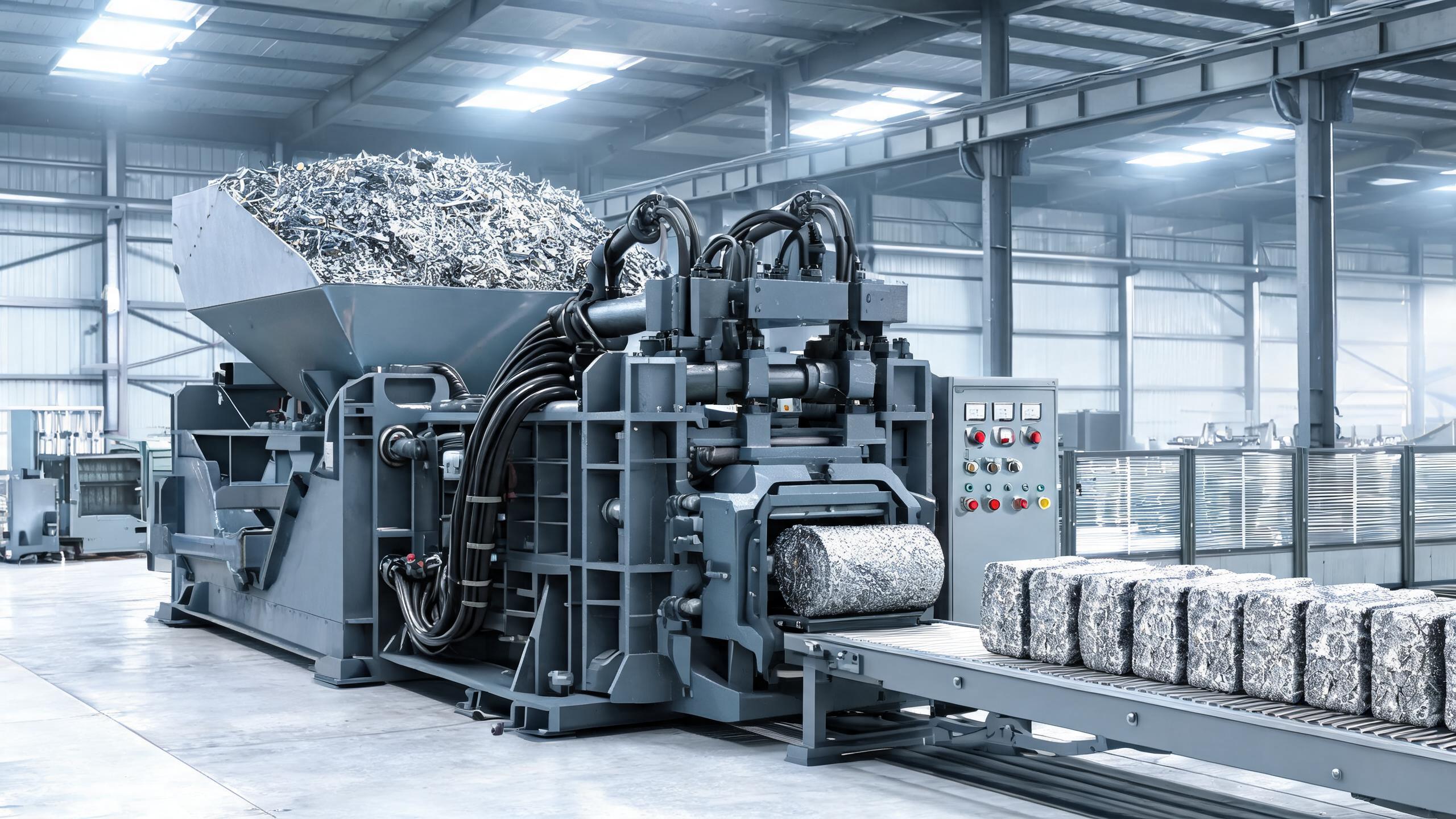
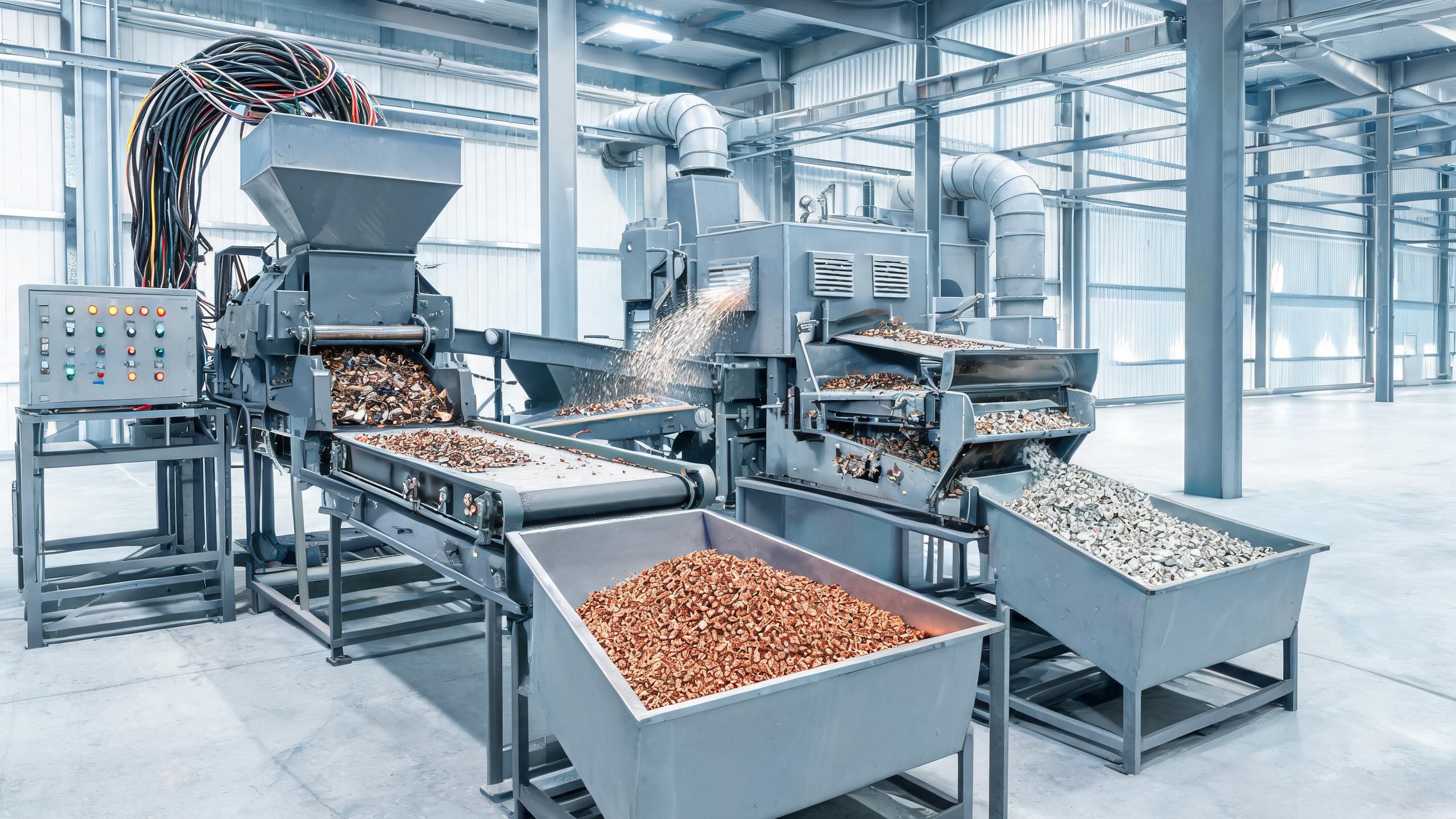
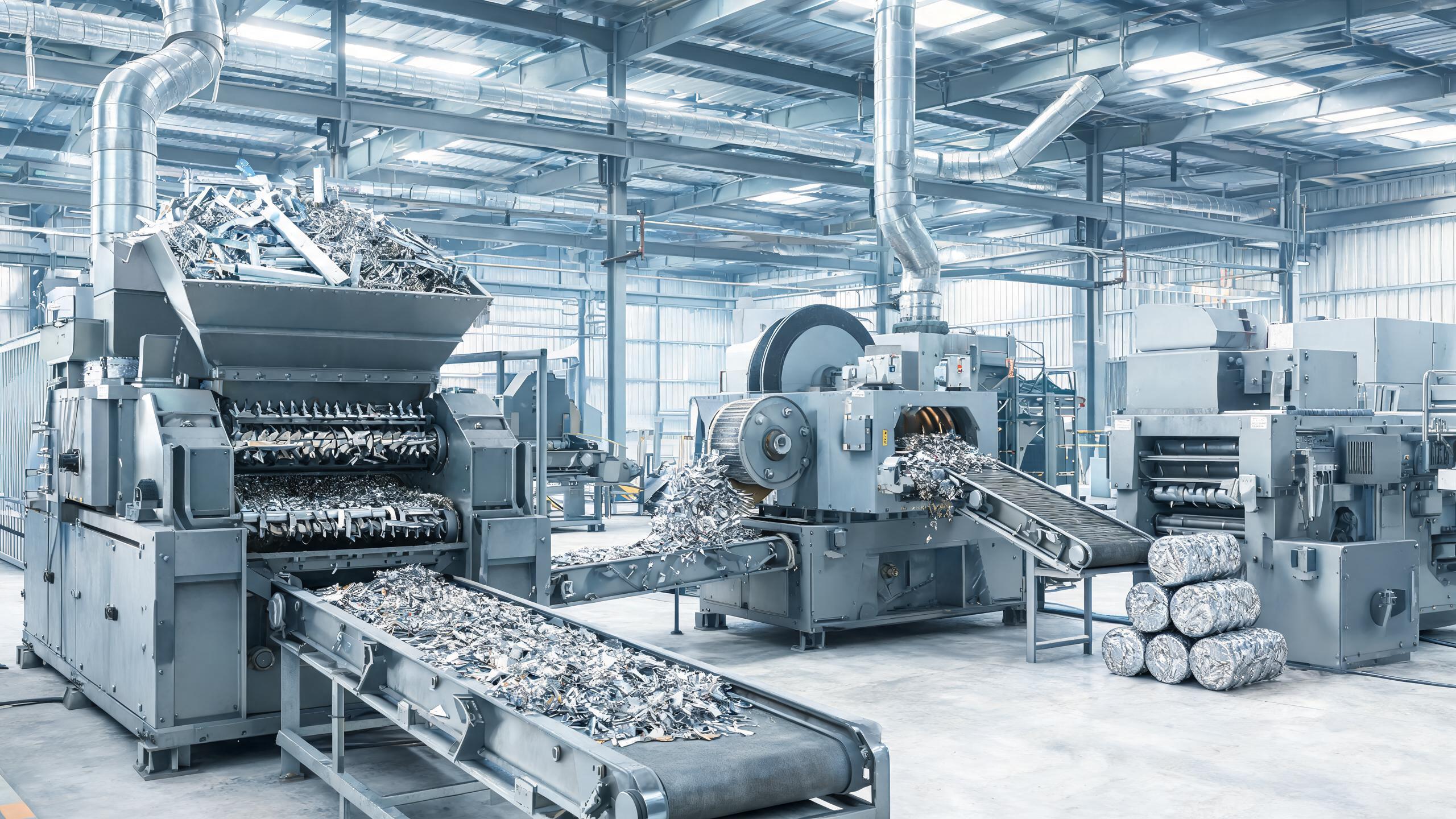
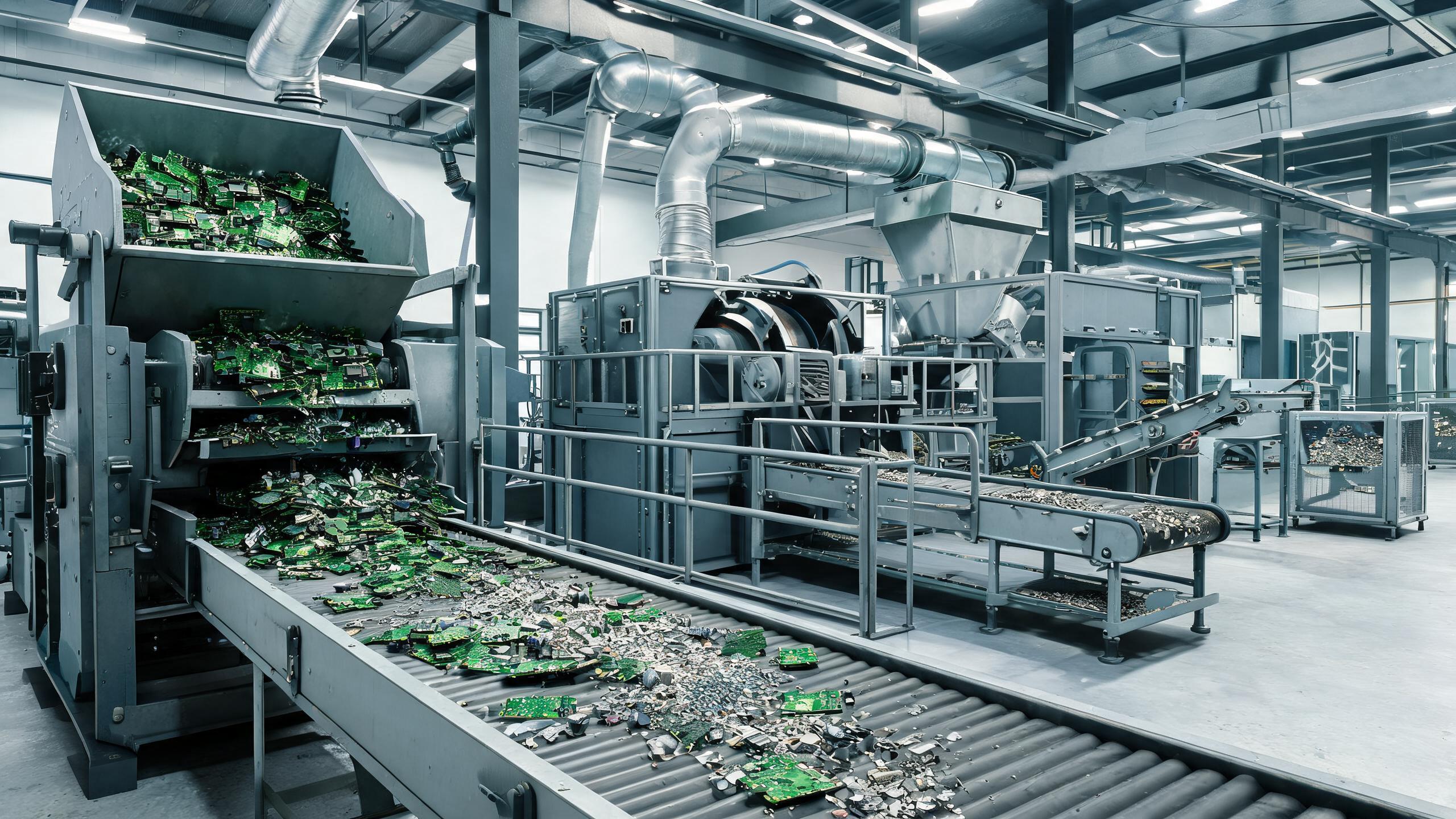
The TG-EWasteLine 150 is an integrated electronic waste metal recovery line for WEEE processing facilities and metal recovery operators who need to extract valuable metals from discarded electronic equipment. The line connects shredding, granulation, magnetic separation, eddy current separation, and air classification into a continuous process that recovers ferrous metals, non-ferrous metals (particularly copper and aluminum), and concentrated metal-bearing fractions from circuit boards and electronic assemblies.
The target buyer processes 200 to 1000 kg of e-waste per hour. The line handles discarded computers, appliances, circuit boards, and electronic assemblies after batteries and capacitors have been removed. It is not designed for intact CRT monitors, mercury-containing devices, or equipment with intact batteries-these require specialized pre-processing.
All e-waste must be pre-processed before feeding: batteries (lithium-ion, lead-acid, NiCd) removed due to fire and chemical hazards; large capacitors removed; CRT monitors and TV tubes require specialized leaded glass processing; mercury-containing components removed. Confirm your local WEEE directive compliance requirements at inquiry.
Five Processing Stages
Primary Shredder
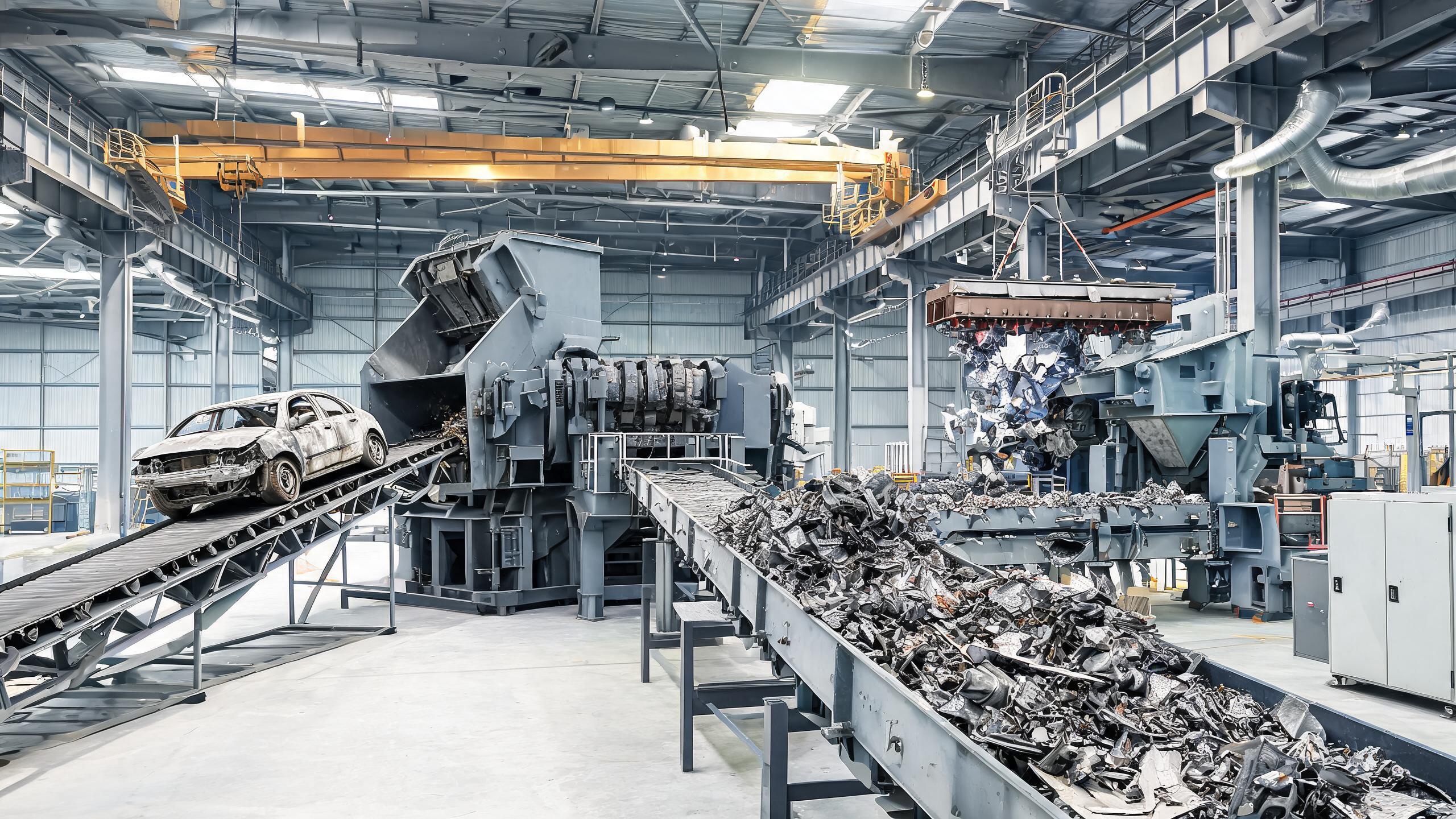
Twin-shaft shredder reduces electronic equipment to 20-40 mm fragments. Low-speed shearing minimizes dust. Chamber sealed and connected to dust collection.
Granulator
High-speed knife granulator chops fragments to 3-8 mm granules, liberating metal from plastic housings and fiberglass substrates.
Magnetic Separator
Drum or overband magnet removes ferrous metals (steel casings, screws, brackets). Ferrous fraction collected separately.
Eddy Current Separator
Recovers non-ferrous metals (aluminum heat sinks, copper wiring, brass connectors) from non-magnetic granule stream. Highest per-tonne metal value.
Air Classification and Dust Collection
Air separation removes light fraction (plastic, foam, fiberglass dust). Cyclone + cartridge filter captures fine particles for air quality compliance.
System Configuration
| Stage | Equipment |
|---|---|
| Primary Reduction | Twin-shaft shredder |
| Liberation | High-speed granulator |
| Ferrous Recovery | Magnetic separator |
| Non-Ferrous Recovery | Eddy current separator |
| Residue Management | Air classification |
| Dust Collection | Cyclone + cartridge filter |
| Power Supply | 50 Hz / 60 Hz configurable |
Why E-Waste Requires Dedicated Processing
Electronic waste contains a complex mix: ferrous metals (steel casings, screws), non-ferrous metals (copper wiring, aluminum heat sinks, gold and silver contacts), plastics, fiberglass (circuit board substrates), and ceramics. Recovering metal value requires liberating these materials from each other at a granule size where physical separation becomes effective.
The granulator performs the critical liberation function. At 3-8 mm granule size, metal components are physically freed from composite materials. Magnetic and eddy current separators then sort by magnetic and conductivity properties. The concentrated metal-bearing fraction may contain precious metal traces suitable for specialized refining.
Safety and Pre-Processing Requirements
Lithium-ion batteries pose a severe fire risk when shredded-physical damage can cause thermal runaway. The facility must be equipped with fire suppression systems appropriate for e-waste processing. E-waste dust may contain hazardous materials, so the dust collection filter must be appropriate for the material being processed.
Confirm your local WEEE directive compliance requirements, including hazardous waste handling, dust emission limits, and metal recovery reporting obligations. These regulatory requirements affect facility design beyond the equipment itself.
Engineering and Support
Our engineering team configures shredder power, separator width, and granulator screen sizes to match each buyer's e-waste volume and composition. The line ships with installation supervision, operator training, and a 12-month warranty. Each machine includes a spare-parts kit; standard lead time for replacement wear parts is under 45 days. The manufacturing facility operates under ISO 9001 quality management.
Frequently Asked Questions
Request a Detailed Proposal
To prepare an accurate quotation, include your typical e-waste types (computers, appliances, circuit boards, mixed), estimated hourly or daily volume, whether feed is pre-sorted by equipment type, site power supply (50 Hz or 60 Hz), available floor space, dust collection and fire suppression requirements, and any local WEEE compliance or hazardous waste handling regulations that affect facility design.
Request product details